Content Menu
● Introduction
● Understanding SMT Stencils
● Importance of SMT Stencil Tension
>> Precision and Uniformity
>> Preventing Distortion
>> Enhancing Transfer Efficiency
● SMT Stencil Tension Specifications
● Factors Affecting Stencil Tension
● Measuring Stencil Tension
● Advanced Stencil Technologies
>> Interchangeable Foil-Mounted Solutions
>> Air Bladder Systems
● Impact of Stencil Tension on Printing Process
>> Solder Paste Characteristics
● Stencil Design and Optimization
>> Area Ratio and Aspect Ratio
● Stencil Maintenance and Cleaning
● Conclusion
● Frequently Asked Questions
>> 1. What is the purpose of tension in SMT stencils?
>> 2. How does stencil tension affect solder paste transfer efficiency?
>> 3. What are the common tension specifications for SMT stencils?
>> 4. How is stencil tension typically measured?
>> 5. What factors can affect the tension of an SMT stencil?
● Citations:
Introduction
In the process of assembling printed circuit boards (PCBs) using surface mount technology (SMT), stencils play a crucial role in ensuring the accurate deposition of solder paste onto the PCB pads. One of the key factors that influence the performance of SMT stencils is the tension applied to them. Proper SMT stencil tension is essential for maintaining the integrity and precision of the solder paste deposition process, which directly affects the quality and reliability of the final PCB assembly. In this article, we will delve into the importance of SMT stencil tension, its specifications, and how it impacts PCB assembly.
Understanding SMT Stencils
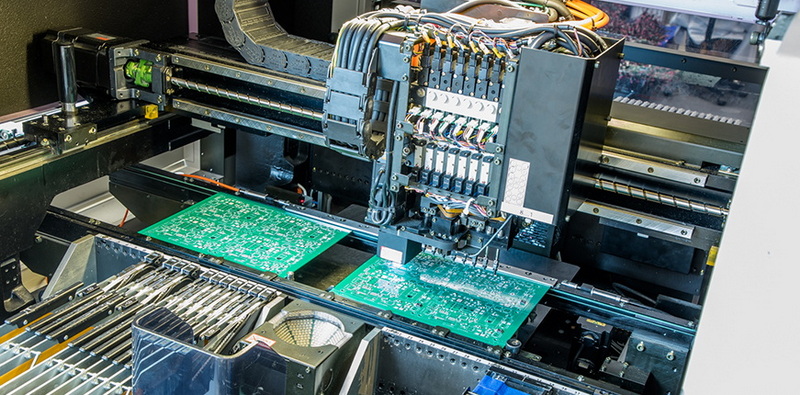
SMT stencils are typically made from thin sheets of stainless steel or other materials and are used to apply solder paste to the PCB pads. The stencil is stretched over a frame to maintain its flatness and tension, ensuring that it remains stable during the printing process. The tension in the stencil is critical because it affects how well the solder paste is deposited onto the PCB. A well-tensioned stencil ensures that the solder paste is applied uniformly and accurately, which is vital for achieving reliable solder joints.
Importance of SMT Stencil Tension
Precision and Uniformity
Proper tension in the SMT stencil ensures that the solder paste is deposited with precision and uniformity. If the stencil is too loose, it may sag or flex during the printing process, leading to uneven solder paste distribution. Conversely, if it is too tight, it might cause the stencil to stretch excessively, altering the aperture sizes and affecting the volume of solder paste deposited. Therefore, maintaining the correct tension is crucial for achieving consistent results in PCB assembly.
Preventing Distortion
Tension helps prevent distortion of the stencil, which can occur due to the pressure applied by the squeegee during the solder paste deposition process. Distortion can lead to misalignment of the stencil apertures with the PCB pads, resulting in solder paste being deposited in the wrong places. This can significantly reduce the yield of the assembly process and increase rework costs.
Enhancing Transfer Efficiency
The tension in the stencil also affects the transfer efficiency of the solder paste from the stencil to the PCB. Proper tension ensures that the stencil remains in close contact with the PCB, facilitating better release of the solder paste from the stencil apertures. This improves the overall quality of the solder joints and reduces the likelihood of defects such as insufficient solder or solder bridges.
SMT Stencil Tension Specifications
The tension specifications for SMT stencils vary depending on the type of stencil and the materials used. Generally, acceptable tension ranges for fixed frame stencils are between 20-43 N/cm. However, the ideal tension can vary based on the specific requirements of the assembly process and the characteristics of the stencil material.
For stencils with foil thicknesses above 0.002 inches, a mesh tension of 36 +/- 4 N/cm is typically recommended. For thinner foils (at or below 0.002 inches), a lower mesh tension of 28 +/- 2 N/cm is suggested to minimize foil stretch and distortion.
Factors Affecting Stencil Tension
Several factors can affect the tension of an SMT stencil, including:
- Material Quality: The type and quality of the stencil material can influence its tension. Materials like stainless steel are more durable and maintain tension better than polyester mesh.
- Frame Design: The design of the frame, including its material and construction, impacts how well the stencil is tensioned. Frames with higher stability can support higher tensions.
- Tensioning Systems: The method used to tension the stencil, such as pneumatic or mechanical systems, can also affect the final tension achieved.
Measuring Stencil Tension
Measuring stencil tension accurately is crucial for ensuring optimal performance. Tension meters are often used, but they must be applied correctly to avoid inaccurate readings. It is recommended to measure tension at multiple points, including the corners and center of the stencil.
Advanced Stencil Technologies
Recent advancements in stencil technology have led to the development of more sophisticated systems for maintaining tension. For instance, frame-mounted foil systems offer superior consistency and aperture registration accuracy compared to traditional mesh-mounted stencils. These systems eliminate the need for mesh, allowing for more precise control over tension and reducing variability in the printing process.
Interchangeable Foil-Mounted Solutions
Interchangeable foil-mounted solutions involve using separate foils with a single tensioning frame. This approach allows for consistent tensioning without the issues associated with mesh-mounted systems, such as inconsistent tension due to mesh stretching or damage. Mechanical tensioning methods provide extreme consistency and are often superior to traditional framed stencils.
Air Bladder Systems
Air bladder systems are another method used for tensioning stencils. However, these systems can lead to inconsistent tensioning during print cycles due to operator-dependent inflation and potential pressure loss over time. Therefore, mechanical tensioning is generally preferred for its reliability and consistency.
Impact of Stencil Tension on Printing Process
The printing process involves several variables, including stencil tension, solder paste type, squeegee pressure, and alignment accuracy. Higher stencil tension can improve paste volumes, especially when using materials like nickel and stainless steel. However, excessive tension can lead to deformation and affect print quality.
Solder Paste Characteristics
The characteristics of the solder paste also play a significant role in the printing process. For example, low-temperature lead-free solder pastes tend to stick to the squeegee blades due to their lighter weight, requiring adjustments in paste application and squeegee pressure to achieve optimal results.
Stencil Design and Optimization
Optimizing stencil design is crucial for achieving high-quality solder paste deposition. Factors such as stencil thickness, aperture size, and aperture density must be carefully considered based on the PCB layout and component requirements. Performance-enhancing coatings can also improve print quality by reducing solder paste adhesion to the stencil and enhancing paste release.
Area Ratio and Aspect Ratio
The area ratio (the ratio of aperture opening area to its wall area) and aspect ratio (the width of the aperture divided by the stencil thickness) are critical in determining paste release efficiency. A higher area ratio generally results in better paste release, while an adequate aspect ratio prevents clogging of apertures.
Stencil Maintenance and Cleaning
Proper maintenance and cleaning of SMT stencils are essential for ensuring consistent print quality and extending the stencil's lifespan. Best practices include:
- Regular Cleaning: Implement a regular cleaning schedule to remove solder paste residue and prevent aperture clogging. Cleaning methods may include manual wiping with solvents, ultrasonic cleaning, or automated stencil cleaning systems.
- Inspection: Regularly inspect stencils for damage, wear, or aperture clogging to maintain print quality. Use magnification tools to examine apertures for any signs of deformation or blockage.
- Proper Storage: Store stencils in a clean, dry environment and use protective covers to prevent damage during handling and transportation. Proper storage helps maintain the stencil's integrity and prolongs its useful life.
Conclusion
In summary, SMT stencil tension is a critical factor in PCB assembly, influencing the precision, uniformity, and reliability of solder paste deposition. Proper tension ensures that the stencil remains stable and functional, leading to higher quality solder joints and reduced assembly defects. Understanding and maintaining the correct tension specifications is essential for optimizing the PCB assembly process.
Frequently Asked Questions
1. What is the purpose of tension in SMT stencils?
Tension in SMT stencils is crucial for maintaining the stencil's flatness and stability during the solder paste deposition process. It ensures that the solder paste is applied uniformly and accurately onto the PCB pads.
2. How does stencil tension affect solder paste transfer efficiency?
Proper tension in the stencil enhances solder paste transfer efficiency by ensuring that the stencil remains in close contact with the PCB. This facilitates better release of the solder paste from the stencil apertures, improving the quality of solder joints.
3. What are the common tension specifications for SMT stencils?
Common tension specifications for fixed frame stencils range from 20-43 N/cm. However, the ideal tension may vary based on the stencil material and thickness, with typical recommendations being 36 +/- 4 N/cm for thicker foils and 28 +/- 2 N/cm for thinner foils.
4. How is stencil tension typically measured?
Stencil tension is typically measured using a tension meter at multiple points, including the corners and center of the stencil. This ensures accurate readings and helps maintain optimal tension.
5. What factors can affect the tension of an SMT stencil?
Factors affecting stencil tension include the quality of the stencil material, the design of the frame, and the tensioning system used. Additionally, factors like foil thickness and the presence of defects in the stencil or frame can also impact tension.
Citations:
[1] https://circuitsassembly.com/ca/editorial/menu-features/28733-stencil-printing-1802.html
[2] https://www.circuitnet.com/experts/81809.html
[3] https://www.surfacemountprocess.com/solder-paste-printing-process.html
[4] https://www.ipc.org/system/files/technical_resource/E38&S12-02%20-%20Chrys%20Shea.pdf
[5] https://pcbpit.com/smt-stencil-a-comprehensive-guide/
[6] https://www.pcbasic.com/blog/pcb_stencils_key_to_high-quality.html
[7] https://www.pcbpower.com/blog-detail/importance-of-stencil-for-pcb-assembly
[8] https://www.elepcb.com/blog/pcb-stencil-smt-assembly/


