Content Menu
● Understanding SMT and PCB Assembly
● The Concept of SMT Buffering
● Why SMT Buffering is Crucial
>> 1. Energy Optimization
>> 2. Improved Line Balancing
>> 3. Enhanced Flexibility
>> 4. Quality Control Opportunities
>> 5. Optimization of Batch Sizes
● Implementing SMT Buffering Effectively
>> Buffer Capacity
>> Buffer Location
>> Buffer Type
>> Tack Time Considerations
>> Automation Integration
● Case Study: Energy Optimization Through SMT Buffering
● Challenges and Considerations
● Future Trends in SMT Buffering
● Conclusion
● FAQ
>> 1. What is the primary purpose of SMT buffering in PCB assembly?
>> 2. How does SMT buffering contribute to energy savings?
>> 3. What factors should be considered when implementing SMT buffers?
>> 4. Can SMT buffering improve product quality?
>> 5. What are some challenges associated with implementing SMT buffering?
● Citations:
In the ever-evolving world of electronics manufacturing, Surface Mount Technology (SMT) has revolutionized the way Printed Circuit Boards (PCBs) are assembled. As demand for smaller, more complex electronic devices continues to grow, manufacturers are constantly seeking ways to optimize their production processes. One crucial aspect of this optimization is SMT buffering, a technique that has proven to be indispensable in modern PCB assembly lines.
Understanding SMT and PCB Assembly
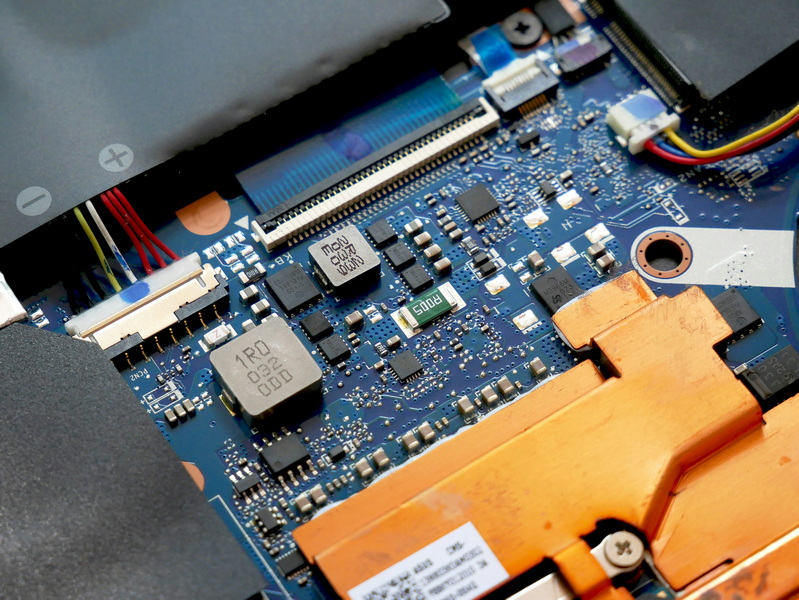
Before delving into the importance of SMT buffering, it's essential to understand the basics of SMT and PCB assembly. Surface Mount Technology is a method used to produce electronic circuits where components are mounted directly onto the surface of PCBs. This technique has largely replaced the traditional through-hole technology due to its numerous advantages, including higher component density, smaller and lighter assemblies, and improved automation potential[3].
The PCB assembly process using SMT typically involves several stages:
1. Solder paste application
2. Component placement
3. Reflow soldering
4. Inspection and testing
Each of these stages plays a critical role in producing high-quality, reliable PCBs. However, the efficiency of this process can be significantly enhanced through the implementation of SMT buffering.
The Concept of SMT Buffering
SMT buffering refers to the practice of introducing temporary storage areas or "buffers" between different stages of the PCB assembly process. These buffers serve as holding areas for PCBs as they move through the production line, helping to manage the flow of materials and components more effectively[1].
The primary purpose of SMT buffering is to decouple different stages of the assembly process, allowing each stage to operate at its optimal speed without being constrained by the pace of adjacent stages. This decoupling can lead to significant improvements in overall line efficiency and energy consumption.
Why SMT Buffering is Crucial
1. Energy Optimization
One of the most compelling reasons for implementing SMT buffering is its potential for energy optimization. In a typical SMT-PCB assembly line, different machines operate at varying speeds and energy consumption levels. The reflow oven, in particular, is often a significant energy consumer[1].
By introducing buffers, manufacturers can optimize the operation of energy-intensive equipment like the reflow oven. For instance, a buffer inserted before the reflow oven can accumulate a batch of PCBs, allowing the oven to operate in cycles rather than continuously. This cycling can lead to substantial energy savings.
A case study conducted at the Indian Institute of Science Bangalore demonstrated that implementing a buffering-based solution could result in a 2.7x reduction in energy consumption without significantly affecting line throughput[1].
2. Improved Line Balancing
SMT buffering plays a crucial role in balancing the production line. In any assembly process, different stages may have varying processing times. Without buffers, faster stages would often have to wait for slower ones, leading to inefficiencies and idle time.
By introducing buffers between stages, manufacturers can smooth out these variations in processing time. Faster stages can continue to operate at their optimal speed, storing their output in the buffer until the slower stages are ready to receive it. This balancing effect helps to maximize the utilization of all equipment in the line, improving overall efficiency[5].
3. Enhanced Flexibility
SMT buffering provides increased flexibility in the production process. In a non-buffered line, any disruption in one stage immediately affects the entire line. However, with buffers in place, short-term disruptions in one stage can be absorbed without bringing the entire line to a halt.
This flexibility is particularly valuable when dealing with product changeovers or unexpected maintenance issues. Buffers allow the line to continue operating even when one stage is temporarily out of commission, reducing downtime and improving overall productivity[7].
4. Quality Control Opportunities
Buffers can also serve as inspection points, providing opportunities for quality control checks without disrupting the flow of the production line. This is especially important in PCB assembly, where early detection of defects can save significant time and resources.
For example, a cooling buffer after the reflow oven not only allows PCBs to cool at a controlled rate but also provides an opportunity for visual or automated inspection before the boards move on to the next stage of production[7].
5. Optimization of Batch Sizes
SMT buffering allows for more flexible management of batch sizes. In a non-buffered line, the entire line often needs to be set up for a specific batch size. With buffers, different stages can operate with different optimal batch sizes, improving overall efficiency.
For instance, the pick-and-place machines might operate most efficiently with smaller, continuous batches, while the reflow oven might be more energy-efficient when processing larger batches. Buffers allow these different optimal batch sizes to coexist within the same production line[1].
Implementing SMT Buffering Effectively
While the benefits of SMT buffering are clear, implementing it effectively requires careful planning and consideration of several factors:
Buffer Capacity
The capacity of each buffer needs to be carefully calculated based on the characteristics of the production line. Factors to consider include the processing times of adjacent stages, the variability in these processing times, and the physical space available for buffers[1].
Buffer Location
Strategic placement of buffers is crucial for maximizing their effectiveness. Key locations often include before and after energy-intensive or time-consuming processes, such as the reflow oven, and between stages with significantly different processing times[5].
Buffer Type
Different types of buffers may be appropriate for different stages of the production line. For example, a single-stack buffer might be sufficient in some areas, while a double-buffer system might be more appropriate in others, particularly where continuous flow is critical[1].
Tack Time Considerations
In SMT PCB assembly, tack time (the maximum time that can elapse between component placement and reflow soldering) is a critical factor. Buffer implementation must not cause PCBs to exceed their tack time limits, which typically range from 8 to 24 hours[1].
Automation Integration
For maximum effectiveness, SMT buffers should be integrated into the overall automation system of the production line. This integration allows for real-time management of buffer levels and optimized control of material flow[4].
Case Study: Energy Optimization Through SMT Buffering
A practical example of the benefits of SMT buffering can be seen in a case study conducted at the Indian Institute of Science Bangalore. Researchers implemented a digital twin of an SMT-PCB assembly line to evaluate the impact of buffering on energy consumption.
The study focused on the reflow oven, typically one of the most energy-intensive components of an SMT line. By introducing a buffer before the reflow oven, the researchers were able to implement a cycling strategy where the oven would only be turned on when a full batch of PCBs was ready for processing.
The results were striking: the buffering solution achieved a 2.7x reduction in energy consumption without significantly impacting the line's throughput. This dramatic improvement in energy efficiency demonstrates the powerful potential of SMT buffering when implemented strategically[1].
Challenges and Considerations
While SMT buffering offers numerous benefits, it's not without its challenges:
1. Space Requirements: Implementing buffers requires additional floor space, which may be at a premium in some manufacturing facilities.
2. Initial Investment: Setting up an effective buffering system may require significant upfront investment in equipment and control systems.
3. Complexity: Adding buffers increases the complexity of the production line, potentially requiring more sophisticated management and control systems.
4. Potential for WIP Increase: If not managed properly, buffers can lead to an increase in work-in-progress (WIP), tying up capital in partially completed products.
5. Maintenance: Buffer systems require regular maintenance to ensure they continue to operate effectively.
Despite these challenges, the benefits of SMT buffering often far outweigh the drawbacks, particularly for medium to high-volume production lines.
Future Trends in SMT Buffering
As manufacturing technology continues to evolve, so too will SMT buffering techniques. Some emerging trends include:
1. AI-Driven Buffer Management: Artificial intelligence and machine learning algorithms are being developed to optimize buffer levels and material flow in real-time, responding to changing production conditions.
2. IoT Integration: The Internet of Things (IoT) is enabling more sophisticated monitoring and control of buffers, allowing for better integration with overall factory management systems[8].
3. Flexible Buffer Systems: New buffer designs are emerging that can be quickly reconfigured to accommodate different product types or production volumes.
4. Green Manufacturing: As energy efficiency becomes increasingly important, more sophisticated buffering strategies are being developed to minimize energy consumption across the entire production line.
Conclusion
SMT buffering is a crucial aspect of modern PCB assembly, offering significant benefits in terms of energy optimization, line balancing, flexibility, quality control, and batch size management. While implementing an effective buffering system requires careful planning and investment, the potential improvements in efficiency and energy consumption make it an essential consideration for any PCB manufacturer looking to optimize their SMT assembly process.
As technology continues to advance, we can expect to see even more sophisticated buffering strategies emerge, further enhancing the efficiency and flexibility of PCB assembly lines. For manufacturers in the electronics industry, staying abreast of these developments and implementing them effectively will be key to maintaining competitiveness in an increasingly demanding market.
FAQ
1. What is the primary purpose of SMT buffering in PCB assembly?
The primary purpose of SMT buffering in PCB assembly is to decouple different stages of the assembly process, allowing each stage to operate at its optimal speed. This decoupling leads to improved overall line efficiency, energy optimization, and better management of material flow.
2. How does SMT buffering contribute to energy savings?
SMT buffering contributes to energy savings by allowing energy-intensive equipment, such as reflow ovens, to operate in cycles rather than continuously. By accumulating a batch of PCBs in a buffer before the reflow oven, the oven can be turned on only when needed, significantly reducing energy consumption.
3. What factors should be considered when implementing SMT buffers?
When implementing SMT buffers, key factors to consider include buffer capacity, strategic placement of buffers, type of buffer system (e.g., single-stack vs. double-buffer), tack time limitations, and integration with the overall automation system of the production line.
4. Can SMT buffering improve product quality?
Yes, SMT buffering can improve product quality by providing opportunities for inspection and quality control checks without disrupting the flow of the production line. Buffers can serve as inspection points, allowing for early detection of defects and timely corrective actions.
5. What are some challenges associated with implementing SMT buffering?
Some challenges associated with implementing SMT buffering include increased space requirements, initial investment costs, added complexity to the production line, potential for increased work-in-progress (WIP), and the need for regular maintenance of buffer systems.
Citations:
[1] https://nehakaranjkar.github.io/publications/Digital_Twin.pdf
[2] https://patents.google.com/patent/CN112040669B/zh
[3] https://www.pcbjhy.com/blog/pros-and-cons-of-smt-pcb-assembly/
[4] https://blogs.sw.siemens.com/valor-dfm-solutions/how-to-optimize-pcb-design-for-the-smt-assembly-process-flow/
[5] https://www.researchgate.net/figure/SMT-PCB-assembly-line-configuration-with-buffering_fig2_330246150
[6] https://resources.pcb.cadence.com/blog/2020-how-to-optimize-pcb-design-for-smt-assembly-process-flow
[7] https://develop-llc.com/insights/guide-to-pcb-assembly-automation/
[8] https://www.techtarget.com/iotagenda/blog/IoT-Agenda/3-key-steps-for-IoT-PCB-SMT-and-microelectronics-assembly


