Content Menu
● The Advantages of SMT PCB Assembly
● Consumer Electronics
>> Smartphones and Tablets
>> Wearable Technology
>> Laptops and Ultrabooks
● Automotive Electronics
>> Engine Control Units (ECUs)
>> Infotainment Systems
>> Advanced Driver Assistance Systems (ADAS)
● Medical Devices
>> Wearable Medical Devices
>> Implantable Medical Devices
>> Portable Diagnostic Equipment
● Aerospace and Defense
>> Avionics Systems
>> Satellite Components
>> Military Communication Devices
● Industrial Automation
>> Programmable Logic Controllers (PLCs)
>> Robotics
>> Industrial IoT Devices
● Telecommunications
>> Network Routers and Switches
>> 5G Infrastructure
>> Fiber Optic Equipment
● The Role of OEM Surface Mount SMT PCB Assembly Services
● Conclusion
● FAQ
>> 1. What is the main difference between SMT and through-hole technology?
>> 2. Can SMT and through-hole components be used on the same PCB?
>> 3. What are the challenges of working with SMT components?
>> 4. How does SMT contribute to the miniaturization of electronic devices?
>> 5. What factors should be considered when choosing an OEM surface mount SMT PCB assembly service?
● Citations:
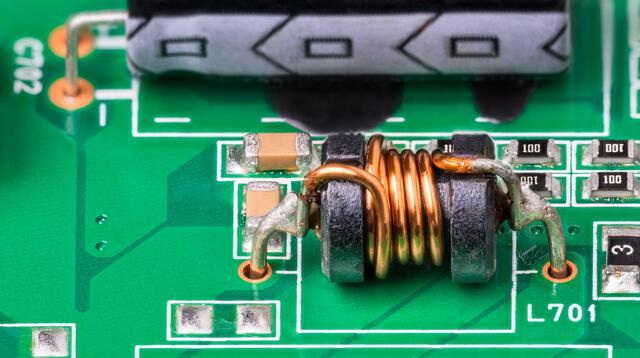
Surface Mount Technology (SMT) has revolutionized the electronics manufacturing industry, offering numerous advantages over traditional through-hole technology. This advanced method of assembling printed circuit boards (PCBs) has become the preferred choice for many products across various sectors. In this article, we will explore the types of products that benefit most from SMT PCB assembly and why manufacturers are increasingly turning to OEM surface mount SMT PCB assembly services.
The Advantages of SMT PCB Assembly
Before delving into specific product types, it's essential to understand the key advantages of SMT PCB assembly:
1. Miniaturization: SMT components are significantly smaller than their through-hole counterparts, allowing for more compact and lightweight designs[1].
2. Increased Component Density: The smaller size of SMT components enables higher component density on PCBs, leading to more functionality in a smaller footprint[1].
3. Improved Performance: SMT components have shorter lead lengths, resulting in reduced signal propagation delays and improved electrical performance[7].
4. Cost-Effectiveness: SMT assembly is generally more cost-effective due to reduced material usage and automated assembly processes[5].
5. Faster Production: The automated nature of SMT assembly allows for quicker production times compared to through-hole technology[3].
6. Design Flexibility: SMT enables the use of both sides of the PCB and allows for more complex circuit designs[2].
Now, let's explore the types of products that benefit most from these advantages.
Consumer Electronics
Consumer electronics are perhaps the most prominent beneficiaries of SMT PCB assembly. The constant demand for smaller, lighter, and more feature-packed devices has made SMT an indispensable technology in this sector.
Smartphones and Tablets
Modern smartphones and tablets are prime examples of products that rely heavily on SMT PCB assembly. These devices require high component density to pack numerous features into a slim form factor. The miniaturization capabilities of SMT allow manufacturers to create increasingly thin and lightweight devices without compromising functionality[2].
Wearable Technology
Smartwatches, fitness trackers, and other wearable devices benefit greatly from SMT PCB assembly. These products demand ultra-compact designs to remain comfortable and unobtrusive when worn. SMT enables manufacturers to create tiny yet powerful PCBs that fit seamlessly into wearable form factors[1].
Laptops and Ultrabooks
The trend towards thinner and lighter laptops has been made possible in large part due to SMT PCB assembly. Ultrabooks, in particular, rely on the space-saving capabilities of SMT to achieve their slim profiles while maintaining high performance[2].
Automotive Electronics
The automotive industry has seen a significant increase in electronic components in recent years, with modern vehicles containing numerous sophisticated systems. SMT PCB assembly plays a crucial role in this sector.
Engine Control Units (ECUs)
ECUs are the brains of modern vehicles, controlling various aspects of engine performance. These units require compact, high-performance PCBs that can withstand the harsh conditions of an automotive environment. SMT PCB assembly provides the necessary durability and functionality for these critical components[7].
Infotainment Systems
In-car entertainment and information systems have become increasingly complex, offering features like GPS navigation, smartphone integration, and advanced audio controls. SMT PCB assembly allows manufacturers to pack all these features into sleek, dashboard-mounted units[2].
Advanced Driver Assistance Systems (ADAS)
ADAS technologies, such as lane departure warnings, adaptive cruise control, and collision avoidance systems, rely on sophisticated electronics. SMT PCB assembly enables the creation of compact, high-performance modules that can be easily integrated into various parts of the vehicle[7].
Medical Devices
The medical industry has embraced SMT PCB assembly for its ability to create smaller, more reliable devices.
Wearable Medical Devices
Products like continuous glucose monitors, heart rate monitors, and portable ECG devices benefit from the miniaturization capabilities of SMT. These devices need to be small and lightweight for patient comfort while maintaining high accuracy and reliability[1].
Implantable Medical Devices
Pacemakers, cochlear implants, and other implantable devices require extremely compact and reliable electronics. SMT PCB assembly allows for the creation of tiny, high-performance circuits that can function reliably within the human body for extended periods[7].
Portable Diagnostic Equipment
Handheld ultrasound devices, portable X-ray machines, and other diagnostic tools benefit from SMT PCB assembly. These devices need to be compact and lightweight for easy transport while offering high-quality imaging and diagnostic capabilities[2].
Aerospace and Defense
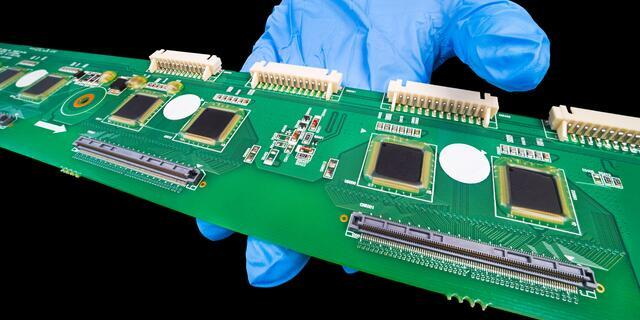
The aerospace and defense sectors require high-reliability electronics that can withstand extreme conditions. SMT PCB assembly offers the necessary durability and performance for these demanding applications.
Avionics Systems
Modern aircraft rely on sophisticated avionics systems for navigation, communication, and flight control. SMT PCB assembly allows for the creation of compact, lightweight electronics that can withstand the vibrations and temperature fluctuations experienced during flight[7].
Satellite Components
Satellites require highly reliable electronics that can function in the harsh environment of space. SMT PCB assembly provides the necessary durability and performance for satellite communication systems, imaging equipment, and other onboard electronics[2].
Military Communication Devices
Portable radios, encrypted communication devices, and other military electronics benefit from the compact size and ruggedness offered by SMT PCB assembly. These devices need to be lightweight for field use while maintaining high performance and reliability[7].
Industrial Automation
The industrial sector has increasingly adopted SMT PCB assembly for its automation and control systems.
Programmable Logic Controllers (PLCs)
PLCs are the backbone of many industrial automation systems. SMT PCB assembly allows for the creation of compact, high-performance PLCs that can be easily integrated into various manufacturing environments[7].
Robotics
Industrial robots require sophisticated control systems and sensors. SMT PCB assembly enables the creation of compact, high-performance electronics that can be integrated into robotic arms and other automated systems[2].
Industrial IoT Devices
The Industrial Internet of Things (IIoT) relies on compact, low-power sensors and communication modules. SMT PCB assembly is ideal for creating these small, efficient devices that can be deployed throughout industrial facilities[7].
Telecommunications
The telecommunications industry has long been at the forefront of adopting advanced electronics manufacturing techniques, including SMT PCB assembly.
Network Routers and Switches
High-performance network equipment requires dense, complex PCBs to handle the demands of modern data transmission. SMT PCB assembly allows for the creation of compact, high-speed routers and switches that can handle massive data throughput[2].
5G Infrastructure
The rollout of 5G networks requires advanced electronics capable of handling high-frequency signals. SMT PCB assembly is crucial for creating the compact, high-performance modules needed for 5G base stations and other infrastructure components[7].
Fiber Optic Equipment
Optical networking equipment, such as transceivers and multiplexers, benefits from the high-density capabilities of SMT PCB assembly. These devices require precise, compact designs to handle the demands of high-speed optical communications[2].
The Role of OEM Surface Mount SMT PCB Assembly Services
As the demand for SMT PCB assembly continues to grow across various industries, many companies are turning to OEM surface mount SMT PCB assembly services. These specialized service providers offer several advantages:
1. Expertise: OEM assembly services have extensive experience and specialized knowledge in SMT PCB assembly, ensuring high-quality results.
2. Advanced Equipment: These providers invest in state-of-the-art SMT assembly equipment, allowing for precise component placement and efficient production.
3. Flexibility: OEM services can handle a wide range of PCB designs and production volumes, from prototypes to large-scale manufacturing.
4. Cost-Effectiveness: By outsourcing to specialized providers, companies can avoid the high costs associated with setting up and maintaining their own SMT assembly lines.
5. Quality Control: OEM assembly services typically have rigorous quality control processes in place, ensuring that the final products meet or exceed industry standards.
Conclusion
SMT PCB assembly has become an integral part of modern electronics manufacturing, offering numerous benefits across a wide range of industries. From consumer electronics to aerospace and defense, products that require compact size, high performance, and reliability are the ones that benefit most from this technology.
As the demand for smaller, more powerful electronic devices continues to grow, the importance of SMT PCB assembly and OEM surface mount SMT PCB assembly services will only increase. Companies that embrace this technology and partner with experienced OEM providers will be well-positioned to create innovative, high-performance products that meet the evolving needs of consumers and industries alike.
FAQ
1. What is the main difference between SMT and through-hole technology?
SMT components are mounted directly onto the surface of the PCB, while through-hole components are inserted into holes drilled through the board. SMT allows for smaller components and higher density, while through-hole technology is generally more robust for larger components.
2. Can SMT and through-hole components be used on the same PCB?
Yes, it's possible to use both SMT and through-hole components on the same PCB. This is known as a mixed-technology board and is common in many applications where certain components are better suited to one technology or the other.
3. What are the challenges of working with SMT components?
Some challenges include the need for specialized equipment for placement and soldering, the difficulty of manual rework due to small component sizes, and the potential for tombstoning (where components stand on end due to uneven solder reflow).
4. How does SMT contribute to the miniaturization of electronic devices?
SMT components are significantly smaller than their through-hole counterparts, allowing for more components to be placed in a smaller area. This enables the creation of smaller, more compact electronic devices without sacrificing functionality.
5. What factors should be considered when choosing an OEM surface mount SMT PCB assembly service?
Key factors include the provider's experience and expertise, their equipment capabilities, quality control processes, production capacity, turnaround times, and their ability to handle your specific PCB design requirements.
Citations:
[1] https://levisonenterprises.com/5-advantages-to-using-smt/
[2] https://www.grandviewresearch.com/industry-analysis/surface-mount-technology-market-report
[3] https://www.pcbelec.com/smt-advantages-and-disadvantages.html
[4] https://blogs.sw.siemens.com/valor-dfm-solutions/how-to-optimize-pcb-design-for-the-smt-assembly-process-flow/
[5] https://www.pcbpower.us/blog/unveiling-the-advantages-and-disadvantages-of-surface-mount-technology
[6] https://en.wikipedia.org/wiki/Surface_mount
[7] https://www.pcbgogo.com/Article/Why_SMT_Technology_Benefit_PCB_Assembly_.html
[8] https://baike.baidu.com/item/%E7%94%B5%E5%AD%90%E7%BB%84%E8%A3%85%E6%8A%80%E6%9C%AF%E4%B8%93%E4%B8%9A%E8%8B%B1%E8%AF%AD/12086345


