Content Menu
● Introduction
● Understanding SMT Production Lines
>> What is SMT?
>> The Importance of Automation
● Key Factors for Efficiency in Wholesale SMT Production Lines
>> 1. Equipment Quality and Maintenance
>> 2. Process Optimization
>> 3. Skilled Workforce
>> 4. Quality Control Measures
>> 5. Supply Chain Management
● Cost-Effectiveness in Wholesale SMT Production Lines
>> 1. Reduced Labor Costs
>> 2. Material Efficiency
>> 3. Energy Efficiency
>> 4. Scalability
>> 5. Long-Term Investment
● Advanced Technologies in SMT Production
>> 1. Industry 4.0 and Smart Manufacturing
>> 2. Artificial Intelligence and Machine Learning
>> 3. Advanced Inspection Technologies
>> 4. Flexible Manufacturing Systems
● Conclusion
● FAQ
>> 1. What is the main advantage of using a wholesale SMT production line?
>> 2. How does automation improve efficiency in SMT production?
>> 3. What role does quality control play in SMT production?
>> 4. How can manufacturers optimize their SMT production processes?
>> 5. What are the long-term benefits of investing in a wholesale SMT production line?
Introduction
In the rapidly evolving world of electronics manufacturing, the efficiency and cost-effectiveness of production lines are paramount. A wholesale SMT production line (Surface Mount Technology) is a critical component in the assembly of printed circuit boards (PCBs). This article delves into the various factors that contribute to the efficiency and cost-effectiveness of these production lines, exploring the technology, processes, and best practices that can enhance performance.
Understanding SMT Production Lines
What is SMT?
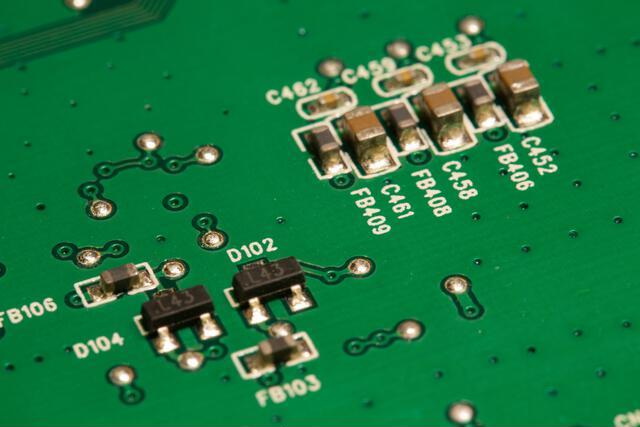
Surface Mount Technology (SMT) is a method used to mount electronic components directly onto the surface of PCBs. This technology has revolutionized the electronics manufacturing industry by allowing for more compact designs and higher component density. The wholesale SMT production line typically includes several key machines:
- Solder Paste Printer: Applies solder paste to the PCB.
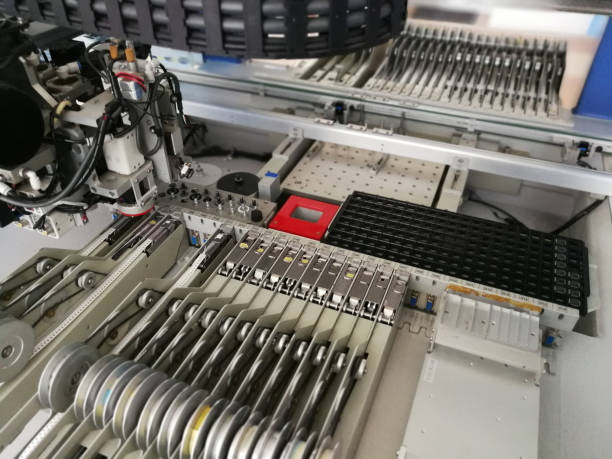
- Pick and Place Machine: Accurately places components onto the PCB.
- Reflow Oven: Melts the solder paste to secure components.
- Inspection Systems: Ensure quality control through visual and automated inspections.
The Importance of Automation
Automation is a cornerstone of efficient SMT production lines. By minimizing manual labor, manufacturers can reduce errors, increase speed, and lower production costs. Automated systems can operate continuously, leading to higher output and better resource utilization. Moreover, automation allows for real-time monitoring and adjustments, ensuring that the production line operates at optimal efficiency.
Key Factors for Efficiency in Wholesale SMT Production Lines
1. Equipment Quality and Maintenance
The quality of the equipment used in a wholesale SMT production line directly impacts its efficiency. High-quality machines are designed for precision and reliability. Regular maintenance is essential to prevent breakdowns and ensure optimal performance. Implementing a preventive maintenance schedule can significantly reduce downtime and extend the lifespan of the equipment. Additionally, investing in advanced machinery with the latest technology can enhance production capabilities and reduce the likelihood of errors.
2. Process Optimization
Optimizing the production process involves analyzing each step of the SMT assembly line to identify bottlenecks and inefficiencies. Techniques such as Lean Manufacturing and Six Sigma can be employed to streamline operations. For instance, reducing the time taken for setup changes between different production runs can enhance overall efficiency. Furthermore, employing simulation software can help manufacturers visualize the production process and identify areas for improvement before implementing changes.
3. Skilled Workforce
While automation plays a significant role, a skilled workforce is equally important. Operators must be trained to handle the equipment effectively and troubleshoot issues as they arise. Continuous training programs can help keep staff updated on the latest technologies and best practices in SMT production. Additionally, fostering a culture of continuous improvement among employees can lead to innovative solutions and enhancements in the production process.
4. Quality Control Measures
Implementing stringent quality control measures is crucial for maintaining the integrity of the production line. Automated inspection systems can detect defects early in the process, reducing waste and rework. Regular audits and quality assessments can help ensure that the production line meets industry standards. Moreover, utilizing statistical process control (SPC) can help monitor production processes in real-time, allowing for immediate corrective actions when deviations occur.
5. Supply Chain Management
Efficient supply chain management is vital for a wholesale SMT production line. Ensuring that components are available when needed can prevent delays and keep production flowing smoothly. Establishing strong relationships with suppliers and utilizing inventory management systems can help optimize the supply chain. Additionally, implementing just-in-time (JIT) inventory practices can reduce holding costs and minimize waste, further enhancing cost-effectiveness.
Cost-Effectiveness in Wholesale SMT Production Lines
1. Reduced Labor Costs
One of the most significant advantages of a wholesale SMT production line is the reduction in labor costs. Automation minimizes the need for manual labor, allowing companies to allocate resources more effectively. This not only lowers costs but also reduces the risk of human error. Furthermore, with fewer employees required for manual tasks, companies can focus on hiring skilled technicians who can oversee automated processes and ensure quality.
2. Material Efficiency
Efficient use of materials is another critical factor in cost-effectiveness. By optimizing the solder paste application and component placement, manufacturers can minimize waste. Implementing recycling programs for scrap materials can further enhance cost savings. Additionally, using high-quality materials that are compatible with automated processes can reduce defects and improve overall yield.
3. Energy Efficiency
Energy consumption is a significant cost factor in manufacturing. Investing in energy-efficient machines and practices can lead to substantial savings. For example, using reflow ovens with better thermal efficiency can reduce energy costs while maintaining production quality. Moreover, implementing energy management systems can help monitor and optimize energy usage across the production line.
4. Scalability
A well-designed wholesale SMT production line is scalable, allowing manufacturers to increase production capacity without significant additional investment. This flexibility is essential for adapting to market demands and can lead to better financial performance. By designing modular production lines, manufacturers can easily add or remove equipment as needed, ensuring that they can respond quickly to changes in demand.
5. Long-Term Investment
While the initial investment in a wholesale SMT production line can be substantial, the long-term benefits often outweigh the costs. Improved efficiency, reduced labor costs, and enhanced product quality contribute to a favorable return on investment (ROI). Additionally, as technology continues to advance, investing in modern SMT production lines can position manufacturers for future growth and competitiveness.
Advanced Technologies in SMT Production
1. Industry 4.0 and Smart Manufacturing
The advent of Industry 4.0 has introduced smart manufacturing concepts that can significantly enhance the efficiency of wholesale SMT production lines. By integrating IoT (Internet of Things) devices, manufacturers can collect and analyze data in real-time, leading to better decision-making and process optimization. Smart factories can automatically adjust production parameters based on real-time data, improving efficiency and reducing waste.
2. Artificial Intelligence and Machine Learning
Artificial intelligence (AI) and machine learning (ML) technologies are increasingly being utilized in SMT production lines. These technologies can analyze vast amounts of data to identify patterns and predict potential issues before they occur. For instance, AI can optimize the placement of components based on historical data, reducing the likelihood of defects and improving overall yield.
3. Advanced Inspection Technologies
The use of advanced inspection technologies, such as 3D X-ray and automated optical inspection (AOI), can enhance quality control in SMT production lines. These technologies provide more accurate and detailed inspections, allowing manufacturers to detect defects that traditional methods might miss. Implementing these advanced inspection systems can lead to higher product quality and reduced rework costs.
4. Flexible Manufacturing Systems
Flexible manufacturing systems (FMS) allow manufacturers to adapt quickly to changes in production requirements. By utilizing modular equipment and automated systems, FMS can accommodate different product types and production volumes without significant downtime. This flexibility is particularly beneficial in the fast-paced electronics market, where demand can fluctuate rapidly.
Conclusion
In conclusion, the efficiency and cost-effectiveness of a wholesale SMT production line are influenced by various factors, including equipment quality, process optimization, workforce skills, quality control, and supply chain management. By focusing on these areas and embracing advanced technologies, manufacturers can enhance their production capabilities, reduce costs, and improve overall performance. As the electronics industry continues to evolve, investing in advanced SMT technologies and practices will be crucial for staying competitive.
FAQ
1. What is the main advantage of using a wholesale SMT production line?
The main advantage of a wholesale SMT production line is its ability to automate the assembly process, which significantly reduces labor costs and increases production speed and accuracy.
2. How does automation improve efficiency in SMT production?
Automation improves efficiency by minimizing manual intervention, reducing errors, and allowing for continuous operation, which leads to higher output and better resource utilization.
3. What role does quality control play in SMT production?
Quality control is essential in SMT production as it ensures that defects are detected early, reducing waste and rework, and maintaining high product quality.
4. How can manufacturers optimize their SMT production processes?
Manufacturers can optimize their SMT production processes by analyzing each step for bottlenecks, implementing Lean Manufacturing techniques, and continuously training their workforce.
5. What are the long-term benefits of investing in a wholesale SMT production line?
The long-term benefits include improved efficiency, reduced labor and material costs, enhanced product quality, and a favorable return on investment due to increased production capabilities.


