Content Menu
● The Fundamentals of PCBs in SMT Assembly
>> PCB Design for SMT
>> Material Selection
● The SMT Assembly Process and PCB Involvement
>> Step 1: PCB Preparation
>> Step 2: Solder Paste Application
>> Step 3: Component Placement
>> Step 4: Reflow Soldering
● Advanced PCB Technologies for SMT Assembly
>> High-Density Interconnect (HDI) PCBs
>> Flexible and Rigid-Flex PCBs
● The Impact of PCB Quality on SMT Assembly
>> PCB Surface Finish
>> PCB Cleanliness
● PCB Testing and Quality Assurance in SMT Assembly
>> Electrical Testing
>> Visual Inspection
>> Functional Testing
● The Future of PCBs in SMT Assembly
>> Miniaturization
>> Embedded Components
>> 3D Printed Electronics
● Environmental Considerations
>> Lead-Free Soldering
>> Recyclability and End-of-Life Considerations
● Conclusion
● FAQ
>> 1. What are the main advantages of using SMT over through-hole technology?
>> 2. How does PCB material choice affect SMT assembly?
>> 3. What are the most common defects in SMT assembly related to PCB issues?
>> 4. How does PCB design impact the efficiency of SMT assembly?
>> 5. What future developments are expected in PCB technology for SMT assembly?
● Citations:
Printed Circuit Boards (PCBs) play a crucial role in Surface Mount Technology (SMT) assembly, serving as the foundation for modern electronic devices. This article will explore the intricate relationship between PCBs and SMT, highlighting the significance of PCBs in the assembly process and how they contribute to the efficiency and reliability of electronic products.
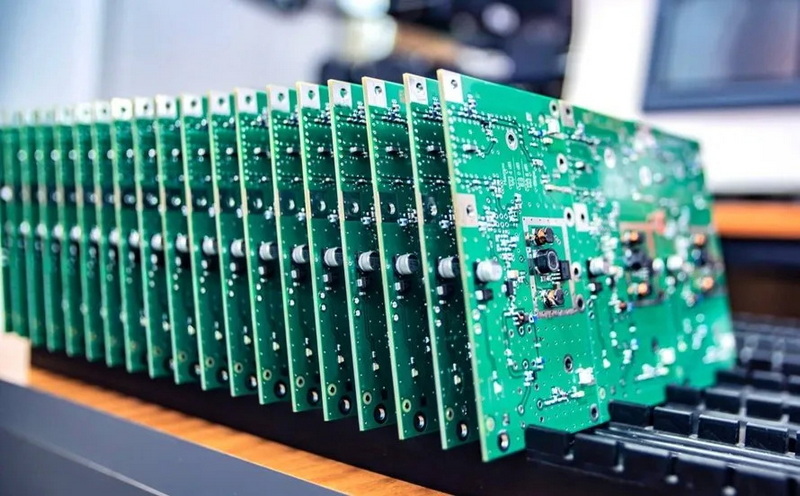
The Fundamentals of PCBs in SMT Assembly
PCBs are the backbone of electronic devices, providing a stable platform for mounting and interconnecting electronic components. In SMT assembly, PCBs take on an even more critical role due to the unique requirements of surface-mounted components.
PCB Design for SMT
The design of PCBs for SMT assembly is a complex process that requires careful consideration of various factors. Unlike through-hole technology, SMT relies on mounting components directly onto the surface of the PCB. This necessitates specific design features to accommodate surface mount devices (SMDs)[5].
Key design considerations for SMT-compatible PCBs include:
1. Pad design: SMT pads are typically flat and coated with solder mask to prevent solder bridges.
2. Component spacing: Proper spacing between components is crucial to prevent interference and facilitate automated assembly.
3. Thermal management: SMT components often require specific thermal considerations, which must be addressed in the PCB design.
Material Selection
The choice of PCB material is critical in SMT assembly. The substrate must withstand the high temperatures of the reflow soldering process while maintaining its structural integrity. Common materials used in SMT-compatible PCBs include:
- FR-4 (Flame Retardant 4): A popular choice due to its balance of cost and performance.
- Polyimide: Offers excellent thermal stability for high-temperature applications.
- Ceramic: Used in specialized applications requiring superior thermal management.
The SMT Assembly Process and PCB Involvement
Understanding the SMT assembly process is essential to appreciate the role of PCBs fully. Let's examine each step and how PCBs are involved.
Step 1: PCB Preparation
The SMT process begins with the preparation of both the surface mount components (SMCs) and the PCB itself[8]. The PCB undergoes a thorough cleaning process to remove any contaminants that could interfere with solder adhesion. This step is crucial for ensuring a reliable connection between the components and the PCB.
Step 2: Solder Paste Application
Once the PCB is prepared, solder paste is applied to the designated areas where components will be placed. This is typically done using a stencil printing process, where a metal stencil with precisely cut openings is placed over the PCB. Solder paste is then spread across the stencil, depositing it onto the PCB's solder pads[4].
The accuracy of this step is critical, as it directly affects the quality of the final assembly. PCBs must be designed with precise solder pad dimensions and spacing to ensure proper solder paste deposition.
Step 3: Component Placement
After solder paste application, the SMT components are placed onto the PCB using automated pick-and-place machines. These machines are programmed with the exact coordinates of each component's position on the PCB[4].
The PCB's design plays a crucial role in this step, as it must provide clear fiducial markers and reference points for the pick-and-place machines to align components accurately. Additionally, the PCB's surface finish must be suitable for temporary adhesion of components before soldering.
Step 4: Reflow Soldering
Once all components are placed, the PCB undergoes reflow soldering. This process involves passing the assembled PCB through a reflow oven with multiple temperature zones[4]. The heat melts the solder paste, creating permanent connections between the components and the PCB.
The PCB's thermal characteristics are critical during this step. It must withstand the high temperatures of the reflow process without warping or delaminating. The PCB's design must also account for proper heat distribution to ensure all components are soldered correctly.
Advanced PCB Technologies for SMT Assembly
As electronic devices become more complex and compact, PCB technologies have evolved to meet the demands of advanced SMT assembly.
High-Density Interconnect (HDI) PCBs
HDI PCBs feature higher circuitry density and finer lines and spaces. These boards are essential for accommodating the increasing number of SMT components in modern devices. HDI PCBs often incorporate:
- Microvias: Tiny holes that connect different layers of the PCB, allowing for more complex routing in a smaller area.
- Buried and blind vias: These vias connect internal layers without passing through the entire board, maximizing available surface area for component placement.
Flexible and Rigid-Flex PCBs
Flexible and rigid-flex PCBs offer unique advantages for SMT assembly in applications where space is at a premium or where the PCB needs to conform to a specific shape. These PCBs can:
- Reduce the overall size and weight of the device
- Eliminate the need for connectors between boards
- Improve reliability by reducing the number of solder joints
The Impact of PCB Quality on SMT Assembly
The quality of the PCB directly affects the success of the SMT assembly process and the reliability of the final product.
PCB Surface Finish
The surface finish of the PCB is crucial for successful SMT assembly. Common finishes include:
- HASL (Hot Air Solder Leveling): Provides good solderability but may have planarity issues.
- ENIG (Electroless Nickel Immersion Gold): Offers excellent flatness and solderability, ideal for fine-pitch SMT components.
- OSP (Organic Solderability Preservative): A cost-effective option with good solderability, but with a shorter shelf life.
The choice of surface finish impacts the solderability, shelf life, and overall reliability of the SMT assembly.
PCB Cleanliness
Contamination on the PCB surface can lead to various issues in SMT assembly, including:
- Poor solder joint formation
- Component misalignment
- Reduced electrical performance
Ensuring PCB cleanliness through proper handling, storage, and cleaning processes is essential for successful SMT assembly.
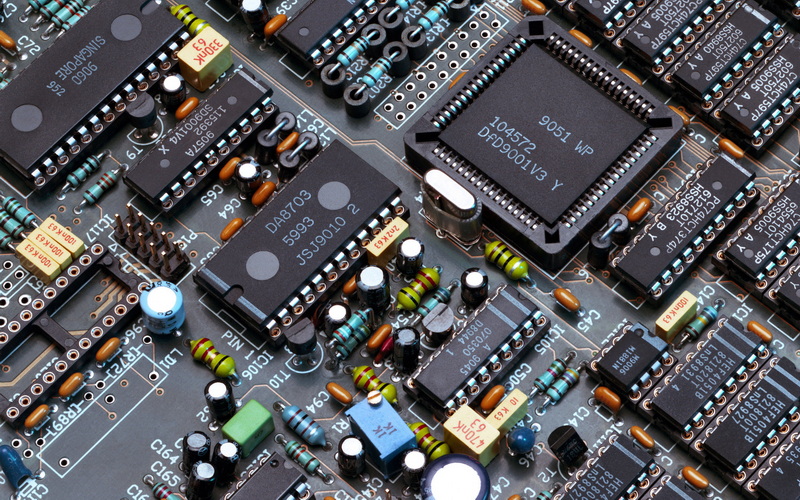
PCB Testing and Quality Assurance in SMT Assembly
Quality assurance is a critical aspect of PCB manufacturing for SMT assembly. Various testing methods are employed to ensure the PCB meets the required specifications:
Electrical Testing
- Continuity and isolation testing: Verifies that all connections are correct and there are no short circuits.
- Impedance testing: Ensures that signal integrity is maintained, especially important for high-speed circuits.
Visual Inspection
- Automated Optical Inspection (AOI): Uses cameras and image processing software to detect defects in PCB fabrication and component placement.
- X-ray inspection: Allows for inspection of hidden solder joints, particularly useful for BGA (Ball Grid Array) components.
Functional Testing
- In-circuit testing: Verifies the functionality of individual components on the assembled PCB.
- Burn-in testing: Subjects the PCB to stress conditions to identify potential early-life failures.
The Future of PCBs in SMT Assembly
As technology continues to advance, the role of PCBs in SMT assembly is evolving. Several trends are shaping the future of PCB design and manufacturing for SMT:
Miniaturization
The demand for smaller, more powerful devices is driving the development of even more compact PCB designs. This includes:
- Increased use of HDI technologies
- Development of new materials to support higher component densities
- Advancements in via technology, such as filled microvias
Embedded Components
Embedding passive and active components within the PCB layers is becoming more common. This technique:
- Reduces the overall size of the assembly
- Improves signal integrity by shortening connection paths
- Enhances thermal management
3D Printed Electronics
Additive manufacturing technologies are being explored for PCB production, offering potential benefits such as:
- Rapid prototyping and customization
- Ability to create complex 3D structures
- Reduction in material waste
Environmental Considerations
The role of PCBs in SMT assembly also extends to environmental concerns. As the electronics industry faces increasing pressure to reduce its environmental impact, PCB manufacturers are adopting more sustainable practices:
Lead-Free Soldering
The transition to lead-free soldering has been a significant change in the SMT industry. PCBs must be designed to withstand the higher temperatures required for lead-free solders, which often necessitates:
- Use of higher temperature-resistant materials
- Improved thermal management designs
- Modifications to pad and trace designs to accommodate different solder flow characteristics
Recyclability and End-of-Life Considerations
PCB design for SMT assembly now often includes considerations for end-of-life recycling and disposal. This may involve:
- Use of more easily recyclable materials
- Design for disassembly to facilitate component recovery
- Reduction or elimination of hazardous substances in PCB manufacturing
Conclusion
The role of PCBs in SMT assembly is multifaceted and critical to the success of modern electronic manufacturing. From providing a stable foundation for component mounting to enabling advanced miniaturization and performance enhancements, PCBs are at the heart of SMT technology. As electronics continue to evolve, the design and manufacturing of PCBs for SMT assembly will undoubtedly face new challenges and opportunities. By staying at the forefront of technological advancements and addressing environmental concerns, the PCB industry will continue to play a pivotal role in shaping the future of electronics.
FAQ
1. What are the main advantages of using SMT over through-hole technology?
SMT offers several advantages over through-hole technology, including:
- Smaller component size, allowing for higher component density
- Reduced board size and weight
- Improved electrical performance due to shorter lead lengths
- Faster and more automated assembly process
- Lower production costs for high-volume manufacturing
2. How does PCB material choice affect SMT assembly?
The choice of PCB material is crucial for SMT assembly because:
- It must withstand the high temperatures of the reflow soldering process
- Different materials offer varying levels of thermal stability and electrical performance
- The material affects the overall reliability and lifespan of the assembled product
- Certain materials may be better suited for specific applications, such as high-frequency or high-temperature environments
3. What are the most common defects in SMT assembly related to PCB issues?
Common SMT assembly defects related to PCB issues include:
- Solder bridging due to improper pad design or solder mask application
- Component misalignment caused by inaccurate pad placement or PCB warpage
- Poor solder joint formation resulting from contaminated or improperly finished PCB surfaces
- Tombstoning (when a component stands on end) due to uneven pad sizes or thermal imbalances
4. How does PCB design impact the efficiency of SMT assembly?
PCB design significantly impacts SMT assembly efficiency by:
- Determining component placement and spacing, which affects pick-and-place machine programming
- Influencing solder paste application through pad design and stencil compatibility
- Affecting reflow soldering results through thermal management considerations
- Enabling or limiting the use of automated inspection techniques based on component accessibility
5. What future developments are expected in PCB technology for SMT assembly?
Future developments in PCB technology for SMT assembly may include:
- Increased adoption of embedded component technology
- Advancements in 3D printed electronics for rapid prototyping and custom designs
- Development of new materials to support higher component densities and improved thermal management
- Integration of smart features within PCBs, such as built-in sensors or communication capabilities
- Further miniaturization through advanced HDI and microvia technologies
Citations:
[1] https://jhdpcb.com/pcb-assembly/smt-assembly/
[2] https://www.pcbgogo.com/current-events/Surface_Mount_Technology___All_You_Need_To_Know___PCBGOGO.html
[3] https://patents.google.com/patent/CN112040669B/zh
[4] https://novaenginc.com/understanding-the-role-of-surface-mount-technology-in-circuit-board-assembly/
[5] https://en.wikipedia.org/wiki/Surface-mount_technology
[6] http://www.sklrd.cn/show.php?id=965
[7] https://www.pcbonline.com/blog/smt-manufacturing-process.html
[8] https://www.circuits-central.com/blog/a-comprehensive-guide-to-surface-mount-technology-in-pcb-assembly/
[9] https://www.pcbgogo.com/Article/Why_SMT_Technology_Benefit_PCB_Assembly_.html


