Content Menu
● Introduction to SMT Mini PCB Loaders
>> Key Features of SMT Mini PCB Loaders
● Innovations in SMT Mini PCB Loaders
>> 1. Modular and Customizable Designs
>> 2. Advanced Automation and Control Systems
>> 3. High-Speed and High-Precision Loading
>> 4. Energy Efficiency and Sustainability
>> 5. Integration with Smart Manufacturing Systems
● Future Trends in SMT Technology
>> Impact of Industry 4.0 on SMT
● Role of SMT Mini PCB Loaders in Modern Manufacturing
>> Case Study: Implementation of SMT Mini PCB Loaders
● Challenges and Opportunities
● Conclusion
● FAQs
>> 1. What are the primary benefits of using SMT mini PCB loaders?
>> 2. How do SMT mini PCB loaders contribute to environmental sustainability?
>> 3. What role do PLC and touch screen controls play in SMT mini PCB loaders?
>> 4. How does SMEMA compatibility benefit SMT mini PCB loaders?
>> 5. What future innovations can we expect in SMT mini PCB loaders?
● Citations:
The evolution of Surface Mount Technology (SMT) has been pivotal in enhancing the efficiency and precision of printed circuit board (PCB) assembly. Among the key components driving this advancement are SMT mini PCB loaders, which play a crucial role in automating the loading process of PCBs onto production lines. This article explores the innovations shaping the future of these loaders, focusing on their design, functionality, and integration within modern SMT systems.
Introduction to SMT Mini PCB Loaders
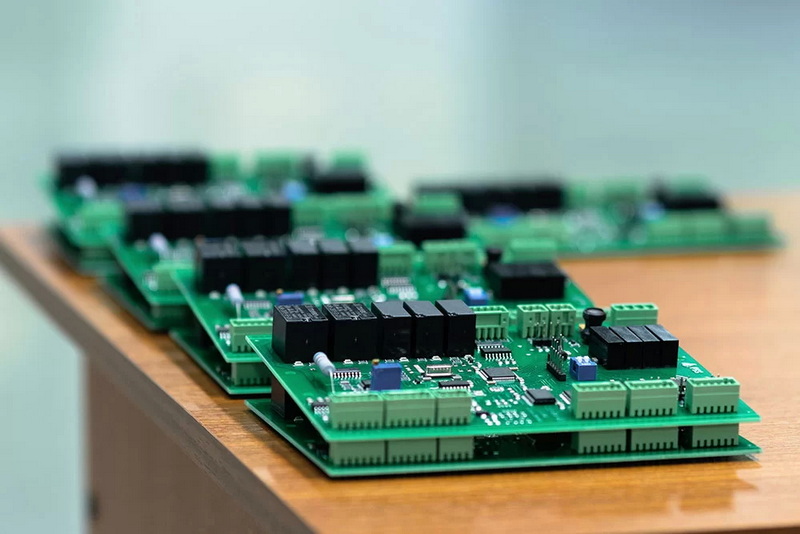
SMT mini PCB loaders are designed to optimize space while efficiently loading PCBs into production lines. These loaders are equipped with advanced features such as PLC (Programmable Logic Controller) and touch screen interfaces, ensuring ease of operation and high precision in PCB handling. The miniaturization of these loaders allows them to be integrated seamlessly into compact production environments, making them ideal for small to medium-sized manufacturing facilities.
Key Features of SMT Mini PCB Loaders
1. Compact Design: SMT mini PCB loaders are engineered to occupy minimal floor space, making them suitable for facilities with limited area.
2. PLC and Touch Screen Control: These loaders utilize PLC systems combined with user-friendly touch screens for easy operation and configuration.
3. Smooth Width Adjustment: They offer parallel and smooth width adjustments to accommodate various PCB sizes.
4. SMEMA Compatibility: Many loaders are designed to be compatible with the SMEMA (Surface Mount Equipment Manufacturers Association) interface, ensuring seamless integration with other SMT equipment.
Innovations in SMT Mini PCB Loaders
1. Modular and Customizable Designs
Modern SMT mini PCB loaders are often designed with modularity in mind, allowing manufacturers to customize the equipment according to specific production needs. This modular approach enables easy upgrades and expansions, ensuring that the loaders remain relevant as production requirements evolve. For instance, modular designs can accommodate different types of PCBs and components, making them versatile for various manufacturing scenarios.
2. Advanced Automation and Control Systems
The integration of sophisticated automation systems, including advanced PLCs and AI-driven predictive maintenance, enhances the efficiency and reliability of SMT mini PCB loaders. These systems can predict potential issues before they occur, reducing downtime and improving overall production throughput. Additionally, AI can optimize the loading process by analyzing production data and adjusting parameters for optimal performance.
3. High-Speed and High-Precision Loading
Innovations in mechanical design and control algorithms have enabled SMT mini PCB loaders to achieve faster loading speeds without compromising precision. This is crucial in meeting the increasing demand for rapid PCB assembly while maintaining high quality standards. High-speed loading capabilities are particularly important in high-volume production environments where time efficiency is paramount.
4. Energy Efficiency and Sustainability
As environmental concerns become more prominent, SMT mini PCB loaders are being designed with energy efficiency in mind. This includes the use of low-power components and optimized operational modes to minimize energy consumption during idle periods. Energy-efficient designs not only reduce operational costs but also contribute to a more sustainable manufacturing process.
5. Integration with Smart Manufacturing Systems
The future of SMT mini PCB loaders involves deeper integration with Industry 4.0 technologies, such as IoT sensors and cloud-based data analytics. This integration enables real-time monitoring, predictive maintenance, and optimized production planning, further enhancing the efficiency and adaptability of manufacturing processes. Smart manufacturing systems can also facilitate remote monitoring and control, allowing for more flexible and responsive production environments.
Future Trends in SMT Technology
The broader SMT industry is moving towards more efficient and versatile production systems. Trends include:
- Two-Way Conveyor Structures: New SMT placement machines are adopting two-way conveyor structures to improve production efficiency and reduce working time.
- High-Speed and High-Precision Placement: There is a growing emphasis on developing machines that can achieve high placement speeds while maintaining precision, especially for complex components like BGA and CSP.
- Environmental Sustainability: The use of lead-free solder and other environmentally friendly practices is becoming more prevalent in SMT manufacturing.
Impact of Industry 4.0 on SMT
Industry 4.0 technologies are transforming the SMT landscape by introducing advanced automation, data analytics, and connectivity. This shift enables manufacturers to optimize production processes, reduce waste, and improve product quality. Key technologies include:
- Artificial Intelligence (AI): AI is being used to enhance predictive maintenance, optimize production workflows, and improve quality control.
- Internet of Things (IoT): IoT sensors provide real-time data on production processes, allowing for immediate adjustments and improvements.
- Cloud Computing: Cloud-based platforms facilitate data sharing and collaboration across different stages of the manufacturing process.
Role of SMT Mini PCB Loaders in Modern Manufacturing
SMT mini PCB loaders are essential in modern manufacturing due to their ability to efficiently handle PCBs in compact production environments. Their integration with advanced automation systems and smart manufacturing technologies makes them a critical component in achieving high-speed, high-quality PCB assembly.
Case Study: Implementation of SMT Mini PCB Loaders
A leading electronics manufacturer recently implemented SMT mini PCB loaders in their production line to address the challenge of efficiently handling small PCBs. By integrating these loaders with their existing SMT equipment, the manufacturer was able to increase production speed by 30% while reducing manual labor errors by 25%. This case highlights the potential of SMT mini PCB loaders to enhance production efficiency and quality in compact manufacturing settings.
Challenges and Opportunities
Despite the advancements in SMT mini PCB loaders, there are challenges that manufacturers must address. These include:
- Component Miniaturization: As electronic components become smaller, loaders must be able to handle these components with precision.
- Environmental Regulations: Manufacturers must ensure that their production processes comply with increasingly stringent environmental regulations.
- Cost Efficiency: Balancing the cost of advanced technology with production efficiency remains a significant challenge.
However, these challenges also present opportunities for innovation. For instance, advancements in component handling can lead to more efficient production processes, while compliance with environmental regulations can drive the development of sustainable manufacturing practices.
Conclusion
Innovations in SMT mini PCB loaders are transforming the PCB assembly process by offering greater efficiency, precision, and adaptability. As manufacturing technology continues to evolve, these loaders will play a critical role in enabling the production of complex electronic devices with reduced environmental impact. By integrating advanced automation, modular design, and smart manufacturing principles, SMT mini PCB loaders are poised to meet the future demands of the electronics industry.
FAQs
1. What are the primary benefits of using SMT mini PCB loaders?
The primary benefits include space efficiency, automated loading, and high precision in handling PCBs, which enhance production speed and reduce manual labor errors.
2. How do SMT mini PCB loaders contribute to environmental sustainability?
These loaders contribute by being designed with energy efficiency in mind and by supporting the use of environmentally friendly practices in PCB assembly, such as lead-free soldering.
3. What role do PLC and touch screen controls play in SMT mini PCB loaders?
PLC and touch screen controls provide easy operation and configuration, allowing for smooth adjustments and efficient management of the loading process.
4. How does SMEMA compatibility benefit SMT mini PCB loaders?
SMEMA compatibility ensures that these loaders can seamlessly integrate with other SMT equipment, facilitating a streamlined production process.
5. What future innovations can we expect in SMT mini PCB loaders?
Future innovations will likely include deeper integration with Industry 4.0 technologies, such as IoT and AI, to enhance real-time monitoring and predictive maintenance capabilities.
Citations:
[1] https://www.tytech-smt.com/factory-price-mini-loaders-fully-automatic-pcb-loader-for-smt-assembly-line-smt-mini-pcb-loader-product/
[2] https://www.cognitivemarketresearch.com/articles/surface-mount-technology-smt-market-trends-and-future-opportunities
[3] https://www.linkedin.com/pulse/2025-future-pcb-pcba-trends-daisy-jiang-rmiyc
[4] https://fancort.com/pages/smt-material-handling-conveyors
[5] https://www.linkedin.com/pulse/surface-mount-technology-smt-industry-set-growth-demand-p-virkhe-fd6kf
[6] https://m.pcbsmtmachine.com/sale-14523249-mini-pcb-loader-modular-design-high-efficiency-smt-conveyor-systems.html
[7] https://novaenginc.com/future-of-circuit-board-assembly/
[8] https://smtmachineline.com/pcb-handling-machine/
[9] https://southeast.newschannelnebraska.com/story/52259725/global-smallarticulatedloaderwheeledminiloader-market-trends-2025-2033-key-growth-drivers-and-challenges
[10] https://www.dafton-smt.com/news/analysis-of-smt-requirements-and-development-78032961.html
[11] https://shenzhenshengdian.en.made-in-china.com/product-group/UeTtyKSdLHch/SMT-Loader-Series-catalog-1.html
[12] https://smtnet.com/?fuseaction=search_submit_new&start_at=13&criteriaused=pct+bare+board+loader&collectionused=site_inclusion
[13] https://www.venture-mfg.com/pcb-miniaturization/
[14] https://shenzhenshengdian.en.made-in-china.com/product-group/bqhAVPDcCLWk/SMT-Pick-Place-Machine-catalog-1.html
[15] https://shenzhenshengdian.en.made-in-china.com/product/gZbfVAlHCDUd/China-Machine-Factory-Direct-Sales-High-Quality-SD-825-SMT-Board-Auto-PCB-Loader-PCB-Unloader-PCB-Conveyor.html
[16] https://emsginc.com/resources/the-evolution-of-surface-mount-technology/
[17] https://smtfuture.com/products/automatic-mini-pcb-loader-micro-pcb-loader/
[18] https://www.thebusinessresearchcompany.com/report/surface-mount-technology-smt-equipment-global-market-report
[19] https://smtnet.com/?fuseaction=search_submit&criteriaused=vacuum+pcb+loader
[20] https://www.directindustry.com/industrial-manufacturer/pcb-loader-271504.html


