Content Menu
● Introduction to SMD Parts Automation
>> Role of Cutting and Bending Machines
● Innovations in SMD Parts Automation
● Cutting and Bending Machine Automation for SMD Parts
>> Benefits of Automated Cutting and Bending
>> Integration with SMT Processes
● Future Trends in SMD Parts Automation
● Impact of Emerging Technologies on SMD Parts Automation
>> IoT in Electronic Manufacturing Services (EMS)
>> AI and Machine Learning in PCB Assembly
>> Flexible PCBs and High-Density Interconnects (HDI)
● Challenges and Opportunities in SMD Parts Automation
● Emerging Technologies and SMD Parts Automation
>> Impact of IoT on SMD Parts Automation
>> Role of AI in PCB Assembly
>> Flexible PCBs and High-Density Interconnects (HDI)
● Conclusion
● Frequently Asked Questions
>> 1. What role do cutting and bending machines play in SMD parts automation?
>> 2. How does AI integration enhance SMD parts automation?
>> 3. What impact does the expansion of IoT and 5G have on SMD parts automation?
>> 4. How does automation contribute to sustainability in SMD parts production?
>> 5. What future trends are expected to influence SMD parts automation?
The future of Surface Mount Device (SMD) parts automation is being shaped by several key innovations, each designed to enhance efficiency, precision, and cost-effectiveness in the production process. As technology continues to evolve, the integration of automation, artificial intelligence (AI), and advanced manufacturing techniques is transforming the landscape of SMD parts production. This article will delve into the latest trends and innovations in SMD parts automation, focusing on cutting and bending machine automation and other critical advancements.
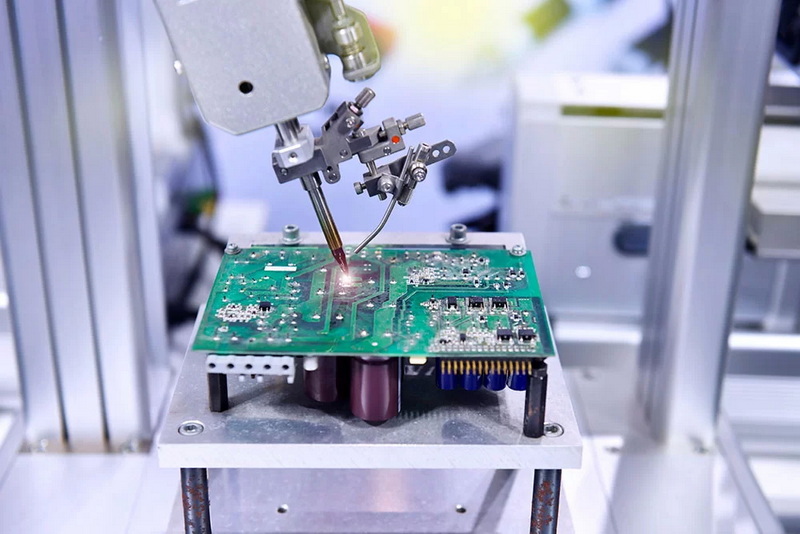
Introduction to SMD Parts Automation
SMD parts are crucial components in modern electronics, used in everything from smartphones to automotive systems. The automation of SMD parts involves various processes, including component placement, soldering, and inspection. With the increasing demand for miniaturized and high-performance electronic devices, the need for efficient and precise automation technologies has never been more pressing.
Role of Cutting and Bending Machines
Cutting and bending machines play a vital role in preparing components for assembly. These machines are designed to cut and bend leads of axial components, ensuring they are ready for insertion into printed circuit boards (PCBs). The automation of these processes reduces manual labor, increases productivity, and minimizes errors. For instance, machines like the TP7 from Olamef are capable of cutting, bending, and forming axial taped components with high precision, integrating seamlessly into automated assembly lines.
Innovations in SMD Parts Automation
Several innovations are driving the future of SMD parts automation:
1. Automation and AI Integration: The integration of AI and automation is revolutionizing SMD parts production. AI-powered systems can optimize component placement, detect faults in real-time, and predict maintenance needs, ensuring continuous production with minimal downtime.
2. Surface Mount Technology (SMT) Advancements: SMT continues to evolve, with advancements in miniaturization and high-density assembly. This allows for the creation of smaller, more powerful devices without compromising performance.
3. 5G and IoT Integration: The rollout of 5G networks and the expansion of the Internet of Things (IoT) are driving demand for compact, reliable electronics. SMD parts automation is crucial in meeting this demand by ensuring the rapid production of high-quality components.
4. Flexible PCBs and Advanced Materials: The use of flexible PCBs and innovative materials is enhancing the durability and portability of electronic devices. This trend requires SMD parts automation to adapt to new manufacturing challenges.
5. Predictive Maintenance and Quality Control: Advanced inspection systems, such as automated optical inspection (AOI), are being integrated into SMD parts production lines to ensure high-quality output and predict potential issues before they occur.
Cutting and Bending Machine Automation for SMD Parts
The automation of cutting and bending machines is a critical aspect of SMD parts production. These machines are designed to handle axial components efficiently, reducing the risk of damage during the cutting and bending process. For example, the TP7 machine from Olamef can process components without nicking or cracking leads, ensuring they are ready for automated assembly.
Benefits of Automated Cutting and Bending
- Increased Productivity: Automated cutting and bending machines can process components at a much faster rate than manual methods, significantly increasing overall production speed.
- Reduced Labor Costs: By automating these processes, manufacturers can reduce labor costs and minimize downtime associated with manual handling.
- Improved Quality: Automated systems ensure consistency and precision, reducing the likelihood of errors that can lead to defective components.
Integration with SMT Processes
The integration of automated cutting and bending machines with SMT processes is essential for streamlined production. By ensuring that components are properly prepared, SMT machines can place them accurately and efficiently, further enhancing the overall quality of the final product.
Future Trends in SMD Parts Automation
Looking ahead, several trends are expected to shape the future of SMD parts automation:
1. Enhanced AI and Machine Learning Integration: The use of AI and machine learning will become more prevalent, enabling real-time monitoring, predictive maintenance, and adaptive manufacturing processes.
2. Increased Focus on Sustainability: As environmental concerns grow, SMD parts automation will need to incorporate sustainable practices, such as the use of recyclable materials and energy-efficient processes.
3. Advancements in Miniaturization: The demand for smaller, more powerful devices will continue to drive innovations in miniaturization, requiring SMD parts automation to adapt to these new challenges.
4. Expansion of IoT and 5G Applications: The continued rollout of IoT and 5G technologies will fuel the demand for advanced electronics, necessitating further advancements in SMD parts automation.
5. Integration with Other Manufacturing Technologies: The integration of SMD parts automation with other manufacturing technologies, such as 3D printing, will offer new opportunities for design flexibility and customization.
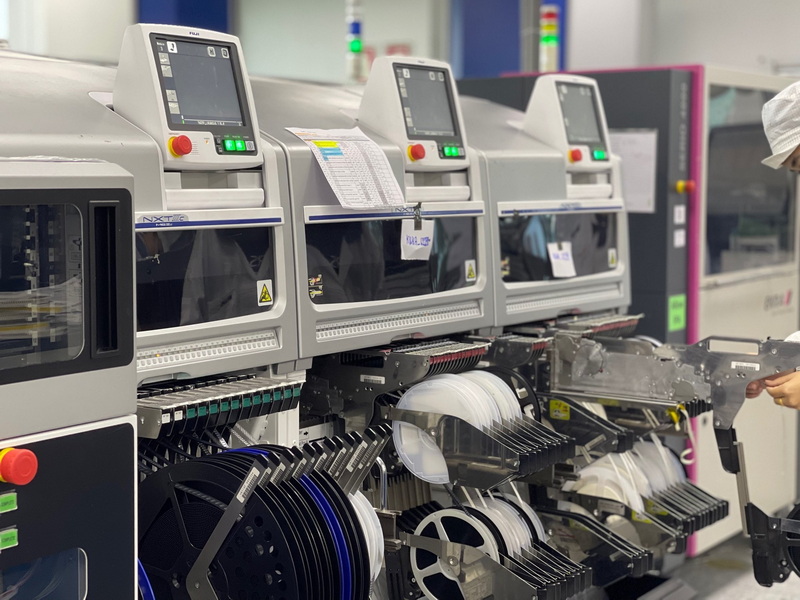
Impact of Emerging Technologies on SMD Parts Automation
Emerging technologies such as IoT, AI, and advanced CNC machining are transforming the manufacturing landscape. For instance, IoT enables real-time monitoring and predictive maintenance, reducing downtime and enhancing productivity. AI integration in CNC machining tools improves accuracy and efficiency by predicting tool wear and optimizing performance. These advancements are not only enhancing SMD parts automation but also influencing broader manufacturing trends.
IoT in Electronic Manufacturing Services (EMS)
IoT plays a pivotal role in enabling device-to-device communication, allowing for real-time monitoring of production processes. This enhances efficiency by reducing downtime and informing better decision-making through data analysis. IoT-driven smart factories are leading the charge toward Industry 4.0, where interconnected systems deliver unparalleled agility and adaptability.
AI and Machine Learning in PCB Assembly
AI and machine learning are being incorporated into PCB assembly processes to optimize workflows and detect anomalies. This ensures that every circuit board is produced with the highest standards of quality and performance. AI-powered automated optical inspection (AOI) systems are also increasing, ensuring high-quality production at faster rates.
Flexible PCBs and High-Density Interconnects (HDI)
Flexible PCBs are becoming increasingly popular due to their lightweight, durable nature, ideal for compact devices like wearables and foldable smartphones. HDI PCBs are also gaining traction, allowing for more complex and densely packed circuit layouts, which enhance device performance without increasing size.
Challenges and Opportunities in SMD Parts Automation
While the trends in SMD parts automation offer numerous benefits, they also present challenges:
1. Investment in Infrastructure: The integration of IoT and AI requires significant investment in infrastructure and cybersecurity measures.
2. Skilled Labor: The adoption of new technologies demands skilled labor and continuous training to stay updated with the latest manufacturing techniques.
3. Sustainability: As environmental concerns grow, manufacturers must adopt sustainable practices, such as using recyclable materials and minimizing waste.
Despite these challenges, the benefits of embracing these trends far outweigh the risks. Companies that adapt will operate more efficiently, deliver innovative products, and stay ahead of their competition.
Emerging Technologies and SMD Parts Automation
The integration of emerging technologies such as IoT, AI, and advanced CNC machining is transforming the manufacturing landscape. IoT enables real-time monitoring and predictive maintenance, reducing downtime and enhancing productivity. AI integration in CNC machining tools improves accuracy and efficiency by predicting tool wear and optimizing performance. These advancements are not only enhancing SMD parts automation but also influencing broader manufacturing trends.
Impact of IoT on SMD Parts Automation
IoT plays a pivotal role in enabling device-to-device communication, allowing for real-time monitoring of production processes. This enhances efficiency by reducing downtime and informing better decision-making through data analysis. IoT-driven smart factories are leading the charge toward Industry 4.0, where interconnected systems deliver unparalleled agility and adaptability.
Role of AI in PCB Assembly
AI and machine learning are being incorporated into PCB assembly processes to optimize workflows and detect anomalies. This ensures that every circuit board is produced with the highest standards of quality and performance. AI-powered automated optical inspection (AOI) systems are also increasing, ensuring high-quality production at faster rates.
Flexible PCBs and High-Density Interconnects (HDI)
Flexible PCBs are becoming increasingly popular due to their lightweight, durable nature, ideal for compact devices like wearables and foldable smartphones. HDI PCBs are also gaining traction, allowing for more complex and densely packed circuit layouts, which enhance device performance without increasing size.
Conclusion
The future of SMD parts automation is being shaped by a combination of technological innovations and market demands. As the electronics industry continues to evolve, the integration of automation, AI, and advanced manufacturing techniques will remain crucial. Cutting and bending machine automation is a key component of this landscape, ensuring that components are prepared efficiently and accurately for assembly. As we move forward, the focus on sustainability, miniaturization, and integration with emerging technologies will define the next generation of SMD parts automation.
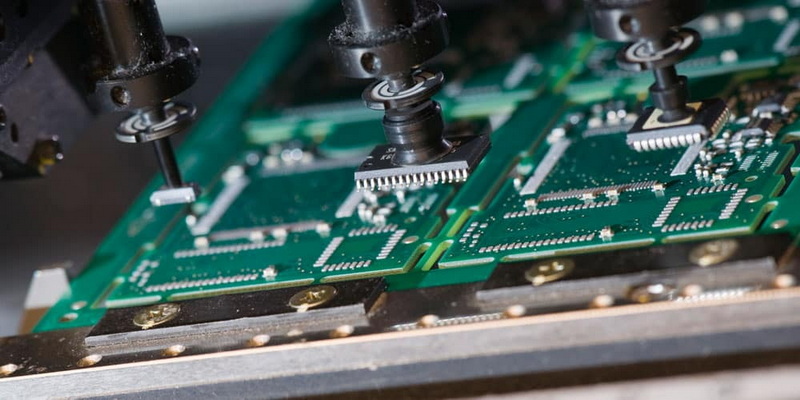
Frequently Asked Questions
1. What role do cutting and bending machines play in SMD parts automation?
Cutting and bending machines are essential for preparing axial components by cutting and bending their leads, ensuring they are ready for insertion into PCBs. This process is critical for maintaining precision and reducing manual labor in SMD parts production.
2. How does AI integration enhance SMD parts automation?
AI integration in SMD parts automation optimizes component placement, enables real-time fault detection, and facilitates predictive maintenance. This results in higher production efficiency, reduced errors, and improved quality control.
3. What impact does the expansion of IoT and 5G have on SMD parts automation?
The growth of IoT and 5G technologies increases demand for compact, reliable electronics. SMD parts automation must adapt to meet this demand by ensuring rapid production of high-quality components, which is crucial for devices used in these applications.
4. How does automation contribute to sustainability in SMD parts production?
Automation in SMD parts production contributes to sustainability by reducing waste, minimizing energy consumption, and allowing for the use of recyclable materials. Additionally, automated processes can optimize resource usage, reducing overall environmental impact.
5. What future trends are expected to influence SMD parts automation?
Future trends include enhanced AI integration, increased focus on sustainability, advancements in miniaturization, and the expansion of IoT and 5G applications. These trends will drive innovations in SMD parts automation, ensuring it remains a critical component of the electronics manufacturing industry.


