Content Menu
● Introduction
● Key Trends in SMT Equipment
>> Integration of AI and Machine Learning
>> Focus on Sustainability
>> Miniaturization and High Precision
>> Automation and Smart Factories
>> Customization and Modularity
● Challenges in the SMT Equipment Market
● Future Outlook
● Conclusion
● FAQ
>> 1. What is SMT technology?
>> 2. Why is AI important in SMT?
>> 3. How does sustainability impact SMT?
>> 4. What are the challenges in adopting SMT?
>> 5. What is the future outlook for SMT?
Introduction
Surface Mount Technology (SMT) has revolutionized the electronics manufacturing industry by enabling the efficient assembly of electronic components onto printed circuit boards (PCBs). As technology continues to evolve, SMT equipment suppliers are adapting to meet the demands of a rapidly changing market. This article explores the latest trends among SMT equipment suppliers, highlighting key innovations and challenges that shape the industry.
Key Trends in SMT Equipment
Integration of AI and Machine Learning
The incorporation of artificial intelligence (AI) and machine learning (ML) into SMT processes is one of the most significant trends in the industry. These technologies enhance production efficiency by enabling predictive maintenance, optimizing production schedules, and improving quality control. AI-driven systems can analyze vast amounts of data generated during manufacturing, allowing for real-time adjustments and reducing downtime. For instance, manufacturers can implement smart service solutions that utilize data analytics to predict equipment failures before they occur, thus minimizing disruptions in production.
Moreover, intelligent SMT machines are being developed to integrate advanced process control, AI, and machine learning technologies to enhance precision and efficiency. A notable example is Panasonic Holdings Corporation's launch of the NPM-G Series SMT machines in India, which feature high-speed placement capabilities and advanced vision systems for accurate component placement.
As AI continues to evolve, its applications within SMT are expected to expand further. For example, machine learning algorithms can be trained to identify patterns in defect data, enabling manufacturers to implement corrective actions proactively. This capability not only improves product quality but also reduces waste by minimizing rework and scrap.
Focus on Sustainability
Sustainability is becoming a critical concern for SMT equipment suppliers as they strive to reduce their environmental impact. Many companies are investing in energy-efficient machinery and green manufacturing practices. This shift not only meets regulatory requirements but also appeals to environmentally conscious consumers. Suppliers are developing equipment that minimizes waste, reduces energy consumption, and utilizes eco-friendly materials. By adopting sustainable practices, these companies aim to enhance their market competitiveness while contributing positively to global sustainability efforts.
The increasing regulatory focus on environmental standards has driven manufacturers to seek out sustainable solutions. For instance, stricter environmental regulations have led to an increased demand for energy-efficient electronic devices, thereby boosting the SMT equipment market. Companies are also exploring alternative materials for soldering processes that reduce harmful emissions while maintaining performance standards.
Furthermore, many suppliers are adopting circular economy principles by designing equipment that can be easily disassembled for recycling or refurbishment at the end of its lifecycle. This approach not only reduces waste but also creates new business opportunities in the secondary market for refurbished equipment.
Miniaturization and High Precision
With the increasing demand for compact electronic devices, there is a growing trend towards miniaturization in SMT equipment. Manufacturers are now focusing on producing smaller components without compromising quality or performance. This trend is particularly prominent in consumer electronics and Internet of Things (IoT) applications, where space constraints necessitate high-precision assemblies. Advanced placement machines equipped with high-resolution cameras and sophisticated algorithms ensure accurate component placement, which is crucial for maintaining the integrity of miniaturized devices.
The demand for higher packaging density on PCBs allows manufacturers to fit more components into smaller spaces. This capability leads to increased functionality and improved performance of electronic devices. As a result, SMT suppliers are investing heavily in research and development to create machines capable of handling smaller components with greater precision.
Additionally, advancements in materials science have enabled the development of thinner substrates and flexible PCBs that accommodate miniaturization trends. These innovations allow manufacturers to create lightweight devices that can be integrated into wearables and other portable electronics without sacrificing performance.
Automation and Smart Factories
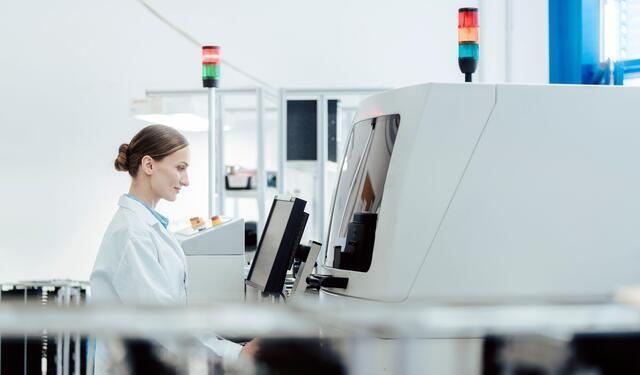
The rise of automation in manufacturing processes is transforming the SMT landscape. Smart factories equipped with automated systems streamline operations, reduce labor costs, and enhance production speed. Automated pick-and-place machines are increasingly common, allowing for rapid assembly of PCBs with minimal human intervention. This trend is supported by advancements in robotics and IoT technologies, which enable seamless integration of various manufacturing processes.
As a result, manufacturers can achieve higher efficiency levels while maintaining consistent product quality. The integration of automation not only enhances productivity but also improves traceability throughout the manufacturing process. For example, real-time monitoring systems can track production metrics such as yield rates and cycle times, providing valuable insights for continuous improvement initiatives.
Moreover, collaborative robots (cobots) are gaining popularity in SMT environments due to their ability to work alongside human operators safely. These robots can assist with repetitive tasks while allowing workers to focus on more complex activities that require critical thinking and problem-solving skills.
Customization and Modularity
As industries become more specialized, there is an increasing demand for customized SMT solutions tailored to specific needs. Suppliers are responding by offering modular equipment that can be easily adapted or upgraded based on production requirements. This flexibility allows manufacturers to optimize their operations without incurring significant costs associated with purchasing entirely new systems.
Modular designs also facilitate quick changes in production lines, enabling manufacturers to respond swiftly to market demands. For example, companies are expanding their capabilities through strategic acquisitions aimed at enhancing product offerings and market presence.
The trend towards customization extends beyond machinery; it also encompasses software solutions that allow manufacturers to configure their production processes according to specific requirements. This adaptability ensures that companies can remain competitive in an ever-changing marketplace while meeting customer expectations for shorter lead times and higher quality products.
Challenges in the SMT Equipment Market
Despite the positive trends, several challenges persist in the SMT equipment market:
- High Initial Costs: The investment required for advanced SMT machinery can be substantial, posing a barrier for smaller manufacturers.
- Rapid Technological Changes: Keeping pace with technological advancements requires continuous investment in research and development.
- Skilled Labor Shortages: The complexity of modern SMT systems necessitates skilled operators, which can be difficult to find in a competitive labor market.
- Supply Chain Disruptions: Recent global events have highlighted vulnerabilities in supply chains, affecting availability and costs of raw materials essential for SMT production.
- Intellectual Property Concerns: As technology advances rapidly within this sector—companies must navigate complexities surrounding intellectual property rights associated with proprietary technologies developed during R&D efforts.
Future Outlook
The future of the SMT equipment market appears promising, with continued growth anticipated due to several factors:
- Increased Demand for Electric Vehicles: The automotive industry's shift towards electrification is driving demand for advanced SMT solutions capable of handling complex electronic systems.
- Expansion of Telecommunications: The rollout of 5G technology requires sophisticated electronic components that rely heavily on SMT processes.
- Growth in Consumer Electronics: As consumer electronics become more advanced and interconnected, the need for efficient SMT solutions will continue to rise.
- Investment in Renewable Energy: Rising investments in renewable energy technologies such as solar panels and wind turbines will also contribute to market expansion.
- Globalization Trends: As companies seek new markets abroad—there will be an increasing need for localized manufacturing capabilities supported by robust supply chains ensuring timely delivery across regions.
Conclusion
The landscape of SMT equipment suppliers is evolving rapidly due to technological advancements and changing market demands. Key trends such as AI integration, sustainability efforts, miniaturization, automation, and customization are shaping the future of this industry. While challenges like high costs and skilled labor shortages remain significant hurdles, the overall outlook remains positive as new opportunities arise from emerging sectors like electric vehicles and telecommunications.
FAQ
1. What is SMT technology?
SMT stands for Surface Mount Technology—a method used for producing electronic circuits by mounting components directly onto the surface of PCBs.
2. Why is AI important in SMT?
AI enhances efficiency by enabling predictive maintenance and improving quality control processes within SMT operations—leading ultimately toward reduced waste generation during production cycles.
3. How does sustainability impact SMT?
Sustainability drives development toward energy-efficient machinery along with eco-friendly practices within this sector—helping companies comply with regulatory standards while appealing directly toward environmentally conscious consumers seeking greener alternatives available today!
4. What are the challenges in adopting SMT?
Key challenges include high initial costs associated with acquiring advanced machinery; rapid technological changes requiring constant updates; skilled labor shortages necessary for operating complex systems; supply chain disruptions affecting material availability; along with intellectual property concerns arising from proprietary technologies developed during R&D initiatives undertaken by firms operating within this space!
5. What is the future outlook for SMT?
The future includes increased automation along with AI integration—while growth continues driven primarily through sectors such as IoT devices/electric vehicles alongside telecommunications expanding globally over time!


