Content Menu
● Understanding SMT Feeders
>> Types of SMT Feeders
● Key Features to Look for in an SMT Feeder Manufacturer
>> 1. Reliability and Durability
>> 2. Advanced Technology Integration
>> 3. Ease of Use and Maintenance
>> 4. Customization Options
>> 5. Performance Metrics
>> 6. Support and Service
>> 7. Cost-Effectiveness
>> 8. Reputation and Experience
>> 9. Compliance and Standards
>> 10. Sustainability Practices
● Conclusion
● Frequently Asked Questions
>> 1. What is an SMT feeder?
>> 2. What types of SMT feeders are available?
>> 3. How do I choose the right SMT feeder for my production line?
>> 4. Why is reliability important in SMT feeders?
>> 5. What should I look for in terms of support from an SMT feeder manufacturer?
Surface Mount Technology (SMT) has revolutionized the electronics manufacturing industry, allowing for the efficient assembly of printed circuit boards (PCBs). At the heart of this process are SMT feeders, which play a crucial role in delivering components to the pick-and-place machines. When selecting an SMT feeder manufacturer, it is essential to consider several key features that can significantly impact production efficiency, reliability, and overall quality. This article will explore these features in detail, providing insights into what makes a manufacturer stand out in the competitive SMT landscape.
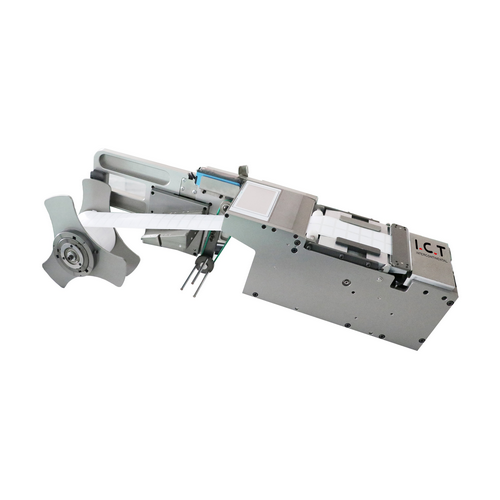
Understanding SMT Feeders
Before diving into the key features, it is important to understand what SMT feeders are and their role in the manufacturing process. SMT feeders are devices that supply electronic components to pick-and-place machines during the PCB assembly process. They come in various types, including tape feeders, tray feeders, and stick feeders, each designed to handle different component shapes and sizes. The choice of feeder can affect not only the speed of assembly but also the accuracy and reliability of the final product. Understanding the nuances of each type of feeder is crucial for optimizing production lines and ensuring high-quality outputs.
Types of SMT Feeders
1. Tape Feeders: These are the most common type, designed to handle components that are packaged in tape. They are known for their precision and ability to feed components at high speeds. Tape feeders are particularly effective for small, surface-mounted components, making them a staple in high-volume production environments.
2. Tray Feeders: Used for larger components that cannot be packaged in tape, tray feeders provide a stable platform for the components during assembly. They are essential for handling components like integrated circuits and larger passive components, ensuring that these items are delivered accurately to the pick-and-place machine.
3. Stick Feeders: These feeders are designed for components that come in sticks, allowing for easy loading and unloading. Stick feeders are often used for components that require careful handling, as they can minimize the risk of damage during the feeding process.
4. Tube Feeders: Ideal for small components, tube feeders ensure accurate delivery to the pick-and-place machine. They are particularly useful for components that are sensitive to orientation, as tube feeders can maintain the correct alignment throughout the feeding process.
Key Features to Look for in an SMT Feeder Manufacturer
When evaluating SMT feeder manufacturers, consider the following key features:
1. Reliability and Durability
Reliability is paramount in any manufacturing environment. An SMT feeder should be robust enough to withstand continuous operation without frequent breakdowns. Look for manufacturers that offer feeders made from high-quality materials that can endure wear and tear over time. Performance consistency is also crucial; choose feeders known for their reliable operation under varying conditions to minimize production disruptions. A reliable feeder not only enhances productivity but also reduces the costs associated with downtime and repairs, making it a critical factor in the selection process.
2. Advanced Technology Integration
Modern SMT feeders are increasingly incorporating advanced technologies to enhance performance. Features such as automatic component loading, real-time monitoring, and integration with Industry 4.0 systems can significantly improve production efficiency. Manufacturers that invest in R&D to develop innovative feeder technologies will likely provide better long-term value. For instance, real-time monitoring can help identify issues before they escalate, allowing for proactive maintenance and reducing the risk of production halts.
3. Ease of Use and Maintenance
A user-friendly design can significantly enhance operational efficiency. Key features to look for include:
- Intuitive Controls: Simple and clear controls make it easier for operators to load and configure feeders quickly. This ease of use can lead to shorter training times for new employees and a smoother transition during shifts.
- Maintenance Accessibility: Select feeders designed for easy maintenance, allowing operators to perform routine checks and repairs without extensive downtime. A design that facilitates quick access to critical components can save valuable production time.
- Compact Design: A lightweight and compact feeder design can reduce the physical strain on operators and optimize space on the production floor. This is particularly important in facilities where space is at a premium, as it allows for more efficient use of available resources.
4. Customization Options
Every manufacturing line is unique, and the ability to customize feeders to meet specific production needs is a significant advantage. Look for manufacturers that offer a range of customization options, including feeder size, component compatibility, and software integration. This flexibility can help optimize the production process and accommodate future changes in component types or sizes. Customization can also enhance the overall efficiency of the assembly line, as feeders can be tailored to fit specific operational requirements.
5. Performance Metrics
When assessing SMT feeder manufacturers, inquire about their performance metrics. Key performance indicators (KPIs) such as feed rate, accuracy, and repeatability are essential for ensuring that the feeders can meet your production demands. Manufacturers that provide detailed specifications and performance data can help you make informed decisions. Understanding these metrics allows you to compare different feeders and select the one that best aligns with your production goals.
6. Support and Service
Post-purchase support is critical for maintaining the efficiency of SMT feeders. Look for manufacturers that offer comprehensive support services, including installation, training, and ongoing maintenance. A responsive customer service team can help resolve issues quickly, minimizing downtime and ensuring smooth operations. Additionally, manufacturers that provide training for operators can enhance the overall effectiveness of the equipment, leading to better production outcomes.
7. Cost-Effectiveness
While it is essential to invest in high-quality SMT feeders, cost-effectiveness should also be a consideration. Evaluate the total cost of ownership, including initial purchase price, maintenance costs, and potential downtime. Manufacturers that offer competitive pricing without compromising on quality can provide better value in the long run. A thorough cost analysis can help you identify the best options that fit within your budget while still meeting your operational needs.
8. Reputation and Experience
The reputation of the manufacturer in the industry can provide insights into their reliability and quality. Look for manufacturers with a proven track record and positive customer reviews. Experience in the field often correlates with a deeper understanding of customer needs and the ability to deliver effective solutions. Engaging with industry peers and seeking recommendations can also help you identify reputable manufacturers.
9. Compliance and Standards
Ensure that the SMT feeder manufacturer complies with industry standards and regulations. Compliance with international standards such as ISO and IPC can be an indicator of quality and reliability. Manufacturers that prioritize compliance are more likely to produce feeders that meet stringent quality requirements. This adherence to standards not only enhances product quality but also builds trust with customers and partners.
10. Sustainability Practices
As the industry moves towards more sustainable practices, consider manufacturers that prioritize eco-friendly materials and processes. Sustainable manufacturing not only benefits the environment but can also enhance your company's reputation and appeal to environmentally conscious customers. Manufacturers that adopt green practices may also offer long-term cost savings through energy efficiency and waste reduction.
Conclusion
Choosing the right SMT feeder manufacturer is a critical decision that can significantly impact your production efficiency and product quality. By considering the key features outlined in this article, you can make an informed choice that aligns with your manufacturing needs. Reliability, advanced technology, ease of use, customization options, and strong support are just a few of the factors that can help you select a manufacturer that will contribute to your success in the competitive electronics market.
Frequently Asked Questions
1. What is an SMT feeder?
An SMT feeder is a device used in surface mount technology to supply electronic components to pick-and-place machines during the assembly of printed circuit boards.
2. What types of SMT feeders are available?
The main types of SMT feeders include tape feeders, tray feeders, stick feeders, and tube feeders, each designed for different component shapes and sizes.
3. How do I choose the right SMT feeder for my production line?
Consider factors such as component size, shape, packaging, required feed rate, and the specific needs of your production line when selecting an SMT feeder.
4. Why is reliability important in SMT feeders?
Reliability is crucial because it ensures continuous operation without frequent breakdowns, minimizing production disruptions and maintaining efficiency.
5. What should I look for in terms of support from an SMT feeder manufacturer?
Look for manufacturers that offer comprehensive support services, including installation, training, and ongoing maintenance, as well as a responsive customer service team.


