Content Menu
● Understanding SMT Squeegees
>> Types of SMT Squeegees
>> Key Features of SMT Squeegees
● Choosing an SMT Squeegee Manufacturer
>> Notable SMT Squeegee Manufacturers
● The Impact of Squeegee Quality on SMT Processes
>> Common Problems Associated with SMT Squeegees
>> Troubleshooting Common Issues
● Best Practices for Using SMT Squeegees
>> Visual Aids
● Innovations in SMT Squeegee Technology
● Conclusion
>> Frequently Asked Questions
Understanding SMT Squeegees
SMT squeegees are essential tools used in the solder paste printing process. They are designed to spread solder paste evenly across a stencil, which then transfers the paste onto a printed circuit board (PCB). The effectiveness of this process significantly influences the quality of the final product.
Types of SMT Squeegees
1. Metal Squeegees
- Made from stainless steel or other metals.
- Offer durability and can withstand higher pressures.
- Ideal for applications requiring precise paste deposition.
- Advantages: Long lifespan, consistent performance.
- Disadvantages: Higher initial cost; may require more maintenance.
2. Rubber Squeegees
- Flexible and can conform to uneven surfaces.
- Suitable for applications with varying stencil thicknesses.
- Generally less durable than metal squeegees.
- Advantages: Cost-effective, good for low-volume production.
- Disadvantages: Shorter lifespan, prone to wear and tear.
3. Hybrid Squeegees
- Combine metal and rubber elements.
- Aim to leverage the benefits of both materials.
- Advantages: Versatile, can be tailored for specific applications.
- Disadvantages: May not perform as well as pure metal or rubber in specialized tasks.
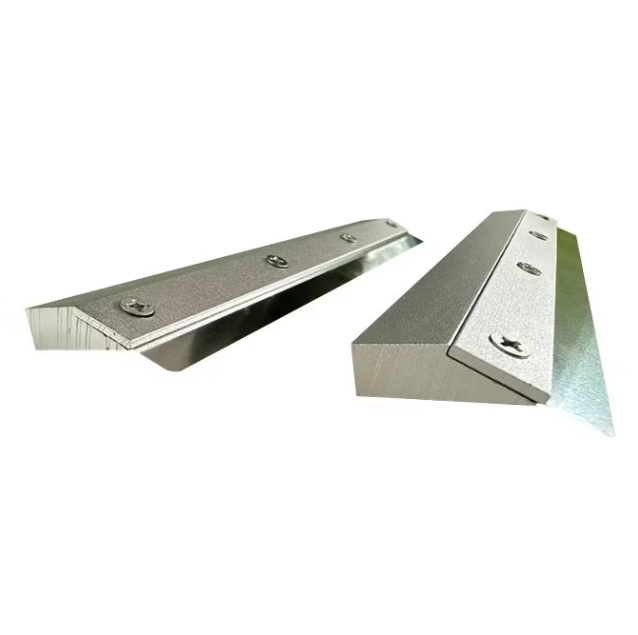
Key Features of SMT Squeegees
- Blade Thickness: Affects the amount of solder paste deposited; thinner blades may allow for finer applications while thicker blades can handle larger volumes.
- Blade Width: Needs to match the stencil aperture size for optimal performance; too wide or too narrow can lead to inefficiencies.
- Squeegee Pressure: Proper pressure ensures complete paste transfer without damaging the stencil or PCB. Too much pressure can cause smearing or damage, while too little can lead to insufficient paste application.
Choosing an SMT Squeegee Manufacturer
When selecting a manufacturer, consider the following:
1. Reputation: Look for established manufacturers known for quality products. Research customer reviews and industry feedback.
2. Customization Options: Many manufacturers offer custom sizes and materials to meet specific needs. This is particularly important for specialized applications.
3. Support and Warranty: Reliable customer support and warranty options can save costs in case of defects or issues. Ensure that the manufacturer provides adequate training and resources for their products.
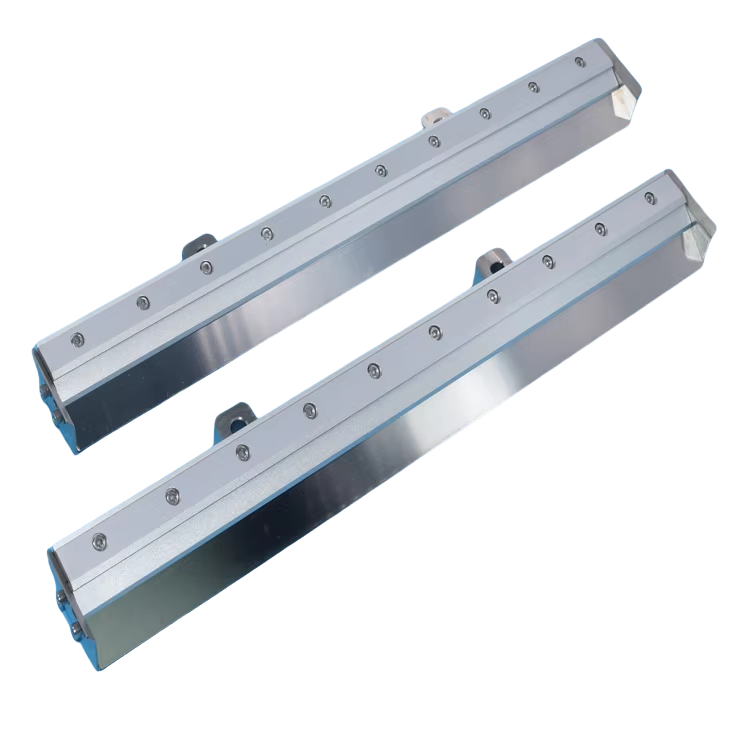
Notable SMT Squeegee Manufacturers
- CNSMT: A prominent manufacturer based in Shenzhen, China, known for a wide range of squeegee models and customization options. They offer both standard and specialized solutions tailored to customer needs.
- SMT Industrial: Offers replacement squeegee blades compatible with various printer models. Their focus on high-quality materials ensures longevity and performance.
- Transition Automation: Focuses on innovative metal squeegees that enhance SMT quality through advanced design features that improve paste transfer efficiency.
The Impact of Squeegee Quality on SMT Processes
The quality of the squeegee directly affects solder paste application efficiency and accuracy. Poor quality or worn-out squeegees can lead to several issues:
- Insufficient Paste Application: Can result in weak solder joints, leading to product failure. This is particularly critical in high-reliability applications such as automotive or aerospace electronics.
- Uneven Thickness: Causes inconsistent electrical connections on PCBs, which can lead to malfunctioning devices or increased failure rates during testing phases.
- Increased Waste: Inefficient paste application can lead to excess waste, increasing costs both in terms of materials and labor.
Common Problems Associated with SMT Squeegees
1. Solder Beading: Excessive solder paste deposition can cause beads to form on components, leading to shorts or other electrical issues.
2. Insufficient Fills: Inadequate solder paste can lead to poor connections that may not be immediately apparent but could fail during operation.
3. Incomplete Printing: Blocked stencils or incorrect pressures can prevent proper paste transfer, resulting in defects that affect overall product reliability.
Troubleshooting Common Issues
To mitigate these problems, it's essential to implement a systematic approach:
- Regular Maintenance Checks: Schedule routine inspections of squeegees and stencils to identify wear early. Replace blades before they show significant degradation.
- Calibration of Equipment: Ensure that all printing equipment is properly calibrated according to manufacturer specifications. This includes checking pressure settings and alignment before each production run.
- Training Operators: Provide comprehensive training for operators on best practices for using squeegees effectively. This includes understanding how different materials perform under various conditions.
Best Practices for Using SMT Squeegees
To ensure optimal performance from your SMT squeegees:
1. Regular Maintenance: Inspect blades regularly for wear and replace as necessary. Clean them thoroughly after each use to prevent contamination from leftover solder paste.
2. Proper Setup: Ensure correct alignment and pressure settings during operation. Use appropriate fixtures or guides if necessary to maintain consistency across batches.
3. Material Selection: Choose the right material based on your specific application needs—consider factors like production volume, PCB design complexity, and required precision.
Visual Aids
Including images and videos in your training materials can greatly enhance understanding:
- Diagrams showing different types of squeegees and their applications help operators visualize what they should be using based on their specific tasks.
- Videos demonstrating proper setup and maintenance practices provide real-world examples that reinforce learning.
Innovations in SMT Squeegee Technology
As technology advances, so does the design of SMT squeegees:
1. Smart Squeegees: Some manufacturers are developing smart squeegees equipped with sensors that monitor pressure and blade wear in real-time, providing feedback to operators about when maintenance is needed or if adjustments should be made during production runs.
2. Advanced Materials: Research into new composite materials aims to create blades that combine flexibility with durability while maintaining a low cost.
3. Eco-Friendly Options: With increasing awareness about environmental impacts, some companies are exploring biodegradable materials for disposable squeegee options or recyclable metal designs.
Conclusion
Choosing the right SMT squeegee is vital for achieving high-quality results in PCB manufacturing. By understanding the types, features, manufacturers available, and implementing best practices, you can make informed decisions that enhance your production processes.
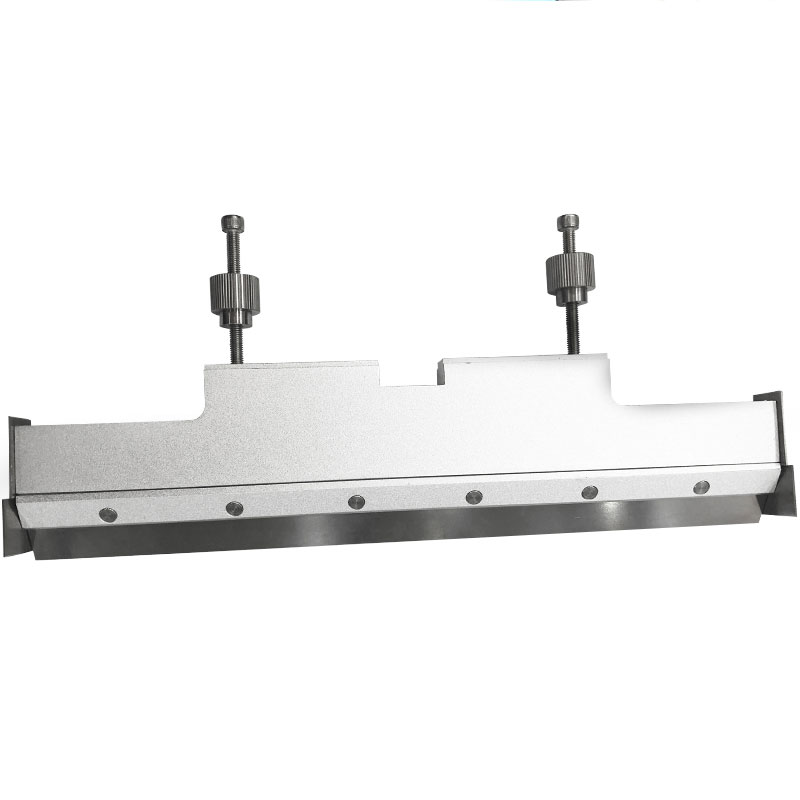
Frequently Asked Questions
1. What materials are commonly used for SMT squeegees?
- Metal (stainless steel) and rubber are the most common materials used for SMT squeegees due to their respective strengths in durability and flexibility.
2. How do I know when to replace my squeegee blades?
- Replace blades when they show signs of wear such as nicks or loss of flexibility; regular inspections will help identify these issues early.
3. Can I customize my SMT squeegee?
- Yes, many manufacturers offer customization options for size and material based on specific application requirements.
4. What is the ideal pressure setting for an SMT squeegee?
- The ideal pressure varies by application but should be enough to ensure complete paste transfer without damaging the stencil; typically between 2-5 kg/cm² is recommended depending on material type.
5. How does a worn-out squeegee affect my production?
- A worn-out squeegee can lead to insufficient paste application resulting in weak solder joints, increased waste due to rework needs, and ultimately higher production costs.


