Content Menu
● Understanding SMT Production Lines
● Key Components of an SMD SMT Production Line
>> SMT Loader
>> Solder Paste Printing Machine
>> Pick and Place Machine
>> Solder Paste Inspection (SPI) Machine
>> Reflow Oven
>> Automated Optical Inspection (AOI) System
>> SMT Unloader
● Additional Components in an SMD SMT Production Line
>> Conveyor System
>> Cleaning Machine
>> Data Management Software
>> Docking Stations
● The SMT Manufacturing Process
● Advantages of Using an SMD SMT Production Line
● Challenges in SMT Production Lines
● Future Trends in SMT Technology
● Conclusion
● FAQ
>> 1. What is Surface Mount Technology (SMT)?
>> 2. What role does a pick-and-place machine play in an SMT line?
>> 3. Why is solder paste inspection important?
>> 4. How does a reflow oven work?
>> 5. What are some advantages of using an automated SMT production line?
● Citations:
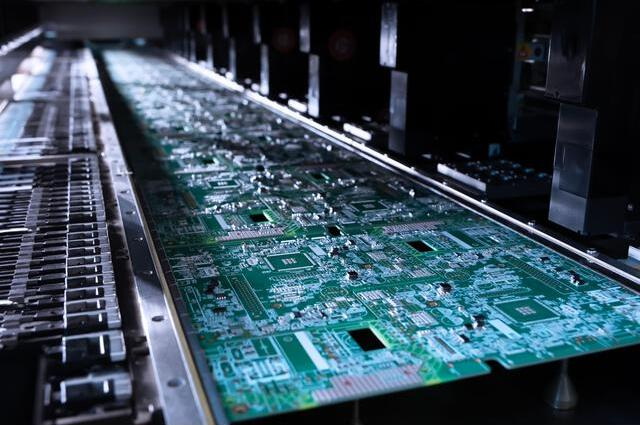
Surface Mount Technology (SMT) has revolutionized the electronics manufacturing industry by allowing for the efficient assembly of electronic components onto printed circuit boards (PCBs). An SMD SMT production line is a complex system that integrates various machines and processes to ensure high-quality and reliable PCB assembly. This article will explore the key components of an SMD SMT production line, detailing each machine's role and significance in the overall process.
Understanding SMT Production Lines
An SMT production line is designed to automate the assembly of electronic components on PCBs. The primary advantage of SMT over traditional through-hole technology is its ability to accommodate smaller components, leading to higher density and more compact designs. Additionally, SMT lines are characterized by their efficiency, speed, and precision, which are critical in meeting the demands of modern electronics manufacturing.
Key Components of an SMD SMT Production Line
An SMD SMT production line typically consists of the following key components:
SMT Loader
The SMT loader is responsible for automatically stacking and loading bare PCBs onto the conveyor system. This machine ensures a continuous flow of PCBs into the assembly process, minimizing manual handling and reducing labor costs.
Solder Paste Printing Machine
This machine applies solder paste onto the PCB pads using a stencil printing process. The accuracy of solder paste application is crucial as it affects the quality of solder joints during reflow soldering. High-quality solder paste printing machines can achieve precise alignment and thickness control.
Pick and Place Machine
The pick and place machine is arguably the most critical component in an SMT production line. It uses robotic arms equipped with suction nozzles to pick up surface mount devices (SMDs) from feeders and accurately place them onto the PCB pads covered with solder paste. Modern pick and place machines can handle various component sizes and types, significantly increasing production efficiency.
Solder Paste Inspection (SPI) Machine
After solder paste application, an SPI machine inspects the quality of solder paste deposition. It checks for issues such as insufficient or excessive paste, ensuring that only properly printed PCBs proceed to the next stage.
Reflow Oven
The reflow oven is where the actual soldering takes place. After components are placed on the PCB, they enter the reflow oven, where heat is applied to melt the solder paste, creating a strong electrical connection between the components and the PCB. Different types of reflow ovens exist, including convection, infrared, and vapor phase ovens, each offering unique advantages in terms of temperature control and efficiency.
Automated Optical Inspection (AOI) System
AOI systems are employed before and after reflow soldering to detect defects such as misaligned components or insufficient solder joints. These systems use high-resolution cameras to capture images of the PCBs and analyze them using sophisticated software algorithms.
SMT Unloader
Once PCBs have been processed through the reflow oven and inspected, they are transferred to an SMT unloader. This machine collects completed assemblies for further handling or packaging.
Additional Components in an SMD SMT Production Line
In addition to the primary machines mentioned above, several auxiliary components contribute to a fully functional SMD SMT production line:
Conveyor System
A conveyor system connects all machines in an SMT line, facilitating the smooth transfer of PCBs from one station to another. It minimizes manual intervention and enhances workflow efficiency.
Cleaning Machine
Cleaning machines are used to remove excess flux residues from PCBs after soldering. A clean PCB ensures better performance and reliability in electronic devices.
Data Management Software
Modern SMT lines often integrate data management software that allows for real-time monitoring of production processes. This software helps track performance metrics, manage inventory levels, and ensure compliance with quality standards.
Docking Stations
Docking stations serve as connection points between different machines in an SMT line. They allow for easy access for maintenance or manual inspection when necessary.
The SMT Manufacturing Process
The SMT manufacturing process can be broadly grouped into three stages:
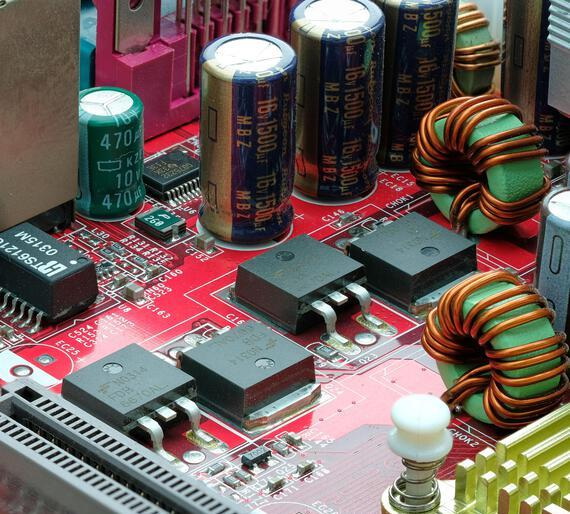
1. Preparation: This includes selecting surface mount components (SMCs) and designing PCBs with flat pads devoid of holes for SMCs.
2. Assembly: In this stage, several processes occur:
- Solder Paste Printing: Applying solder paste onto PCB pads using a stencil.
- Component Placement: Using pick-and-place machines to position SMCs accurately on printed solder pads.
- Reflow Soldering: Melting solder paste in a controlled environment within a reflow oven to create reliable electrical connections.
3. Inspection and Testing: After assembly, PCBs undergo inspection through SPI or AOI systems to ensure quality control before final packaging.
Advantages of Using an SMD SMT Production Line
Implementing an SMD SMT production line offers numerous benefits:
- Increased Efficiency: Automation reduces cycle times and increases throughput compared to manual assembly methods.
- Higher Precision: Advanced machinery ensures accurate component placement and consistent quality across production runs.
- Cost Savings: Reduced labor costs and material wastage contribute to lower overall production costs.
- Flexibility: Modern SMT lines can be easily adapted to accommodate different product designs or changes in demand.
Challenges in SMT Production Lines
Despite their advantages, SMD SMT production lines face several challenges:
- Solder Defects: Issues such as bridging or insufficient solder can lead to faulty connections.
- Component Placement Accuracy: Misalignment during placement can result in electrical failures.
- Inspection Limitations: Detecting hidden defects beneath components can be challenging with traditional inspection methods.
To mitigate these challenges, manufacturers often implement strategies such as regular maintenance of equipment, investing in high-speed placement machines, optimizing processes through data analytics, and enhancing operator training programs.
Future Trends in SMT Technology
The future of SMT technology is poised for significant advancements driven by several trends:
- Automation Enhancements: Increased automation will streamline processes further while reducing human error.
- AI Integration: Artificial intelligence will play a crucial role in optimizing component placement accuracy and predictive maintenance.
- Sustainability Initiatives: Manufacturers are focusing on eco-friendly practices by minimizing waste and using environmentally friendly materials.
- Miniaturization Trends: As electronics become more compact, demand for smaller components will continue to rise.
Conclusion
An SMD SMT production line is a sophisticated assembly system that integrates various machines working together to produce high-quality electronic devices efficiently. From loaders to pick-and-place machines, each component plays a vital role in ensuring precision and reliability in PCB assembly. As technology continues to advance, these production lines will become even more efficient, paving the way for future innovations in electronics manufacturing.
FAQ
1. What is Surface Mount Technology (SMT)?
Surface Mount Technology (SMT) refers to a method where electronic components are mounted directly onto the surface of printed circuit boards (PCBs), allowing for higher density assembly compared to traditional methods.
2. What role does a pick-and-place machine play in an SMT line?
The pick-and-place machine is crucial as it automates the placement of surface mount devices (SMDs) onto PCBs with high precision, significantly enhancing production speed and accuracy.
3. Why is solder paste inspection important?
Solder paste inspection (SPI) ensures that solder paste is applied correctly on PCB pads before component placement, which is essential for achieving reliable solder joints during reflow soldering.
4. How does a reflow oven work?
A reflow oven uses controlled heat profiles to melt solder paste applied on PCB pads after component placement. This process creates strong electrical connections between components and PCBs once cooled down.
5. What are some advantages of using an automated SMT production line?
Automated SMT production lines offer increased efficiency, higher precision in component placement, reduced labor costs, lower material wastage, and greater flexibility in adapting to different product designs.
Citations:
[1] https://www.wevolver.com/article/smt-process
[2] https://levisonenterprises.com/5-advantages-to-using-smt/
[3] https://www.mycronic.com/product-areas/pcb-assembly/news-and-press-releases/news/ten-key-smt-trends-you-need-to-know/
[4] https://www.zjyingxing.com/info/what-are-the-ways-to-improve-the-efficiency-of-88896111.html
[5] https://jhdpcb.com/blog/efficient-smt-assembly/
[6] https://www.allsmt.com/SMT-line-concept-assembly-manufacturing-production-Assembly
[7] https://vectorbluehub.com/smt-assembly
[8] https://emsginc.com/resources/the-evolution-of-surface-mount-technology/
[9] https://www.pcbasic.com/blog/smt_production_line.html
[10] https://www.pcbpower.us/blog/unveiling-the-advantages-and-disadvantages-of-surface-mount-technology
[11] https://blueringstencils.com/top-5-smt-industry-trends-for-2019/
[12] https://www.adoptsmt.com/en/efficiency-enhancement-in-smt-manufacturing/
[13] https://www.andwinmcpcb.com/smt-production-process-common-issues-and-challenges/
[14] https://www.pcbonline.com/blog/smt-manufacturing-process.html
[15] https://geospacemfg.com/blog/smt-assembly-technology/
[16] https://smttoday.com/2024/07/29/smt-component-market-trends-and-win-sources-strategic-responses/
[17] https://www.raypcb.com/line-efficiency/
[18] https://www.vse.com/blog/2022/03/15/8-common-smt-placement-issues-and-solutions/
[19] https://www.protoexpress.com/kb/smt-assembly/
[20] https://blog.matric.com/smt-production-for-pcbs-matric
[21] https://www.globenewswire.com/news-release/2024/10/14/2962707/28124/en/Surface-Mount-Technology-Equipment-SMT-Market-to-Surge-to-8-32-Billion-by-2028-Global-Long-term-Forecast-to-2033.html
[22] https://www.smtfactory.com/Perfecting-Your-SMT-Line-Layout-for-Efficiency-id47017676.html
[23] https://www.protoexpress.com/blog/common-errors-surface-mount-technology-smt/
[24] https://www.viasion.com/blog/smt-pcb-assembly-process-8-basic-steps/
[25] https://www.protoexpress.com/blog/good-not-so-good-sides-surface-mount-technology/
[26] https://www.rhsmt.com/news/smt-industrys-future-trends-the-impact-of-ai-and-automation/
[27] https://www.linkedin.com/pulse/rapid-smt-assembly-improving-efficiency-surface-oerzc
[28] https://www.linkedin.com/pulse/optimization-challenges-smt-component-9zfsc
[29] https://www.sonicmfg.com/what-are-the-advantages-of-surface-mount-technology-in-pcba/
[30] https://www.mordorintelligence.com/industry-reports/surface-mount-technology-market
[31] https://www.smthelp.com/methods-and-measures-to-improve-the-production-efficiency-of-smt-production-line
[32] https://www.pcbnet.com/blog/benefits-surface-mount-technology-smt-pcb-assembly/
[33] https://smt.fuji.co.jp/en/topics/2858
[34] https://m.smt11.com/blog/SMT-Field/SMT-Process-Status-and-Future-Development-Trends-2023.html
[35] https://www.neodensmt.com/news/improve-smt-production-efficiency-48868013.html
[36] https://www.viasion.com/blog/common-challenges-in-smt-assembly-and-solutions/


