Content Menu
● Understanding SMT Production Lines
● Key Considerations When Choosing an SMT Production Line
>> 1. Production Requirements
>> 2. Equipment Selection
>> 3. Layout and Workflow Optimization
>> 4. Automation and Technology Integration
● Advantages of a Wholesale LED SMT Production Line
● Challenges in Setting Up an SMT Production Line
● Future Trends in LED Manufacturing
>> 1. Miniaturization
>> 2. Sustainability Practices
>> 3. Advanced Materials
>> 4. Customization and Flexibility
● Conclusion
● FAQ
>> 1. What is an SMT production line?
>> 2. How does automation benefit an SMT production line?
>> 3. What should I consider when selecting equipment for my SMT line?
>> 4. How can I optimize my SMT production line layout?
>> 5. What are common challenges faced when setting up an SMT production line?
In the rapidly evolving world of electronics manufacturing, selecting a reliable wholesale Surface Mount Technology (SMT) full automatic LED production line is crucial for businesses looking to enhance efficiency, reduce costs, and maintain high-quality standards. This article provides a comprehensive guide on how to choose the right production line, covering essential factors such as equipment selection, layout optimization, and the role of automation.
Understanding SMT Production Lines
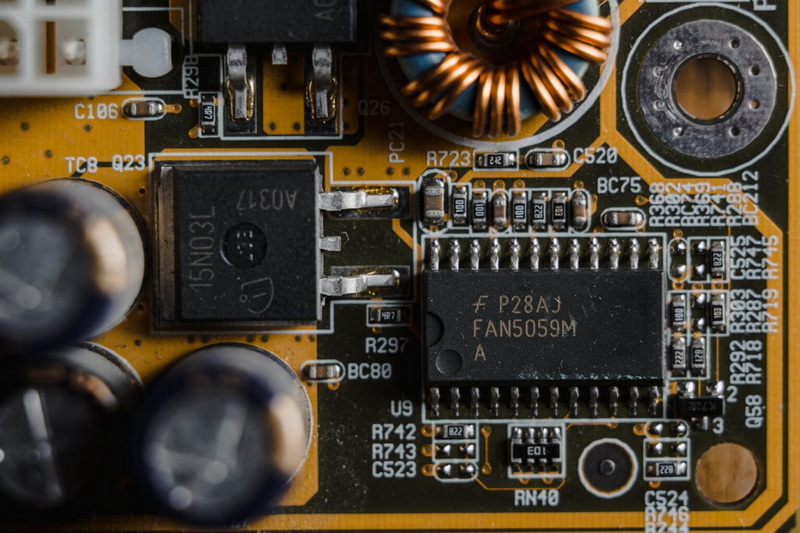
A Surface Mount Technology (SMT) production line is designed to assemble electronic components onto printed circuit boards (PCBs) using automated processes. The primary components of an SMT production line typically include:
- Loader: Automatically stacks and loads PCBs onto the conveyor.
- Stencil Printer: Applies solder paste to the PCB.
- Pick and Place Machine: Accurately places components onto the PCB.
- Reflow Oven: Melts solder paste to bond components to the PCB.
- Automated Optical Inspection (AOI): Inspects PCBs for defects.
These components work together seamlessly to ensure high-speed, precise assembly of LED products.
Key Considerations When Choosing an SMT Production Line
1. Production Requirements
Before selecting an SMT production line, it is essential to assess your production requirements:
- Type of LEDs: Determine the specific types of LEDs you plan to manufacture, as different models may require specialized equipment. For instance, producing high-power LEDs may necessitate different handling and assembly techniques compared to standard low-power LEDs.
- Production Volume: Estimate the volume of production needed to meet market demand. High-volume production may necessitate advanced machinery with higher throughput capabilities. For example, if you anticipate producing thousands of units daily, investing in high-speed pick-and-place machines will be critical.
- Quality Standards: Establish quality benchmarks that your production line must meet to ensure customer satisfaction. Compliance with industry standards such as ISO 9001 can enhance credibility and customer trust.
2. Equipment Selection
Investing in high-quality equipment is critical for the success of your SMT production line. Key machines to consider include:
- Solder Paste Printer: Look for models that offer precision in applying solder paste, as this is crucial for strong solder joints. Features like automatic thickness adjustment and fine pitch printing capabilities are advantageous.
- Pick and Place Machine: Choose machines known for speed and accuracy in component placement. Advanced models often feature vision systems that enhance placement precision by verifying component orientation and position.
- Reflow Oven: Select ovens with advanced temperature control features to ensure proper soldering without damaging components. Consider ovens that offer profiles for different solder types and allow for real-time monitoring.
- Inspection Equipment: Consider incorporating automated optical inspection (AOI) machines to detect defects early in the production process. AOI systems can significantly reduce rework costs by identifying issues before they escalate.
3. Layout and Workflow Optimization
The layout of your SMT production line significantly impacts efficiency:
- Minimize Material Handling: Design the layout to facilitate smooth transitions between each stage of production, reducing bottlenecks and downtime. A well-planned layout can lead to a more streamlined process, allowing for faster turnaround times.
- Implement Lean Manufacturing Principles: Apply lean techniques to identify and eliminate waste within the workflow, enhancing overall productivity. Techniques such as value stream mapping can help visualize processes and pinpoint areas for improvement.
- Ergonomics and Safety: Ensure that the layout considers ergonomics and safety standards. Workstations should be designed to minimize strain on operators while maintaining a safe working environment.
4. Automation and Technology Integration
Automation plays a vital role in modern SMT production lines:
- Enhancing Precision and Accuracy: Automated machines can achieve levels of precision that are challenging with manual processes, particularly in high-volume environments. This precision is critical when dealing with smaller components commonly used in LED technology.
- Real-Time Monitoring Systems: Consider integrating software solutions for real-time monitoring and control of the production process. This can help optimize operations and improve traceability. Advanced systems can provide data analytics that inform decision-making regarding process improvements.
- Integration with Industry 4.0 Technologies: Embrace Industry 4.0 concepts by integrating IoT devices into your SMT line. This can enable predictive maintenance, where potential issues are identified before they cause downtime, further enhancing efficiency.
Advantages of a Wholesale LED SMT Production Line
Investing in a wholesale LED SMT production line offers several advantages:
- Efficiency and Speed: Automated systems can handle large volumes quickly while maintaining high precision levels, essential for meeting wholesale demands. For example, modern pick-and-place machines can place thousands of components per hour.
- Consistency and Quality: Automation ensures consistent quality across all produced units, reducing defects and enhancing reliability. This consistency is vital when dealing with customers who expect uniformity in their products.
- Cost-Effectiveness: Streamlining production processes minimizes labor costs and material waste, contributing to overall cost savings. Additionally, reduced cycle times lead to increased output without necessitating significant increases in operational costs.
Challenges in Setting Up an SMT Production Line
While there are numerous benefits, challenges may arise when setting up an SMT production line:
- Initial Investment Costs: High-quality equipment can require significant upfront investment. It's essential to balance costs with potential returns on investment by conducting a thorough cost-benefit analysis before making purchases.
- Technical Expertise Required: Operating advanced machinery often requires skilled personnel who understand both the technology and manufacturing processes. Investing in training programs for employees can mitigate this challenge.
- Maintenance Needs: Regular maintenance is crucial for ensuring optimal performance; thus, consider the availability of support services when selecting equipment. Establishing a routine maintenance schedule can prevent unexpected breakdowns that disrupt production.
Future Trends in LED Manufacturing
As technology continues to evolve, several trends are shaping the future of LED manufacturing:
1. Miniaturization
The trend towards miniaturization is affecting component design and assembly processes. As devices become smaller, manufacturers must adapt their SMT lines to handle tiny components without sacrificing quality or accuracy.
2. Sustainability Practices
Sustainability is becoming increasingly important in manufacturing processes. Implementing eco-friendly practices such as reducing energy consumption during production or using recyclable materials can enhance brand reputation while contributing positively to environmental efforts.
3. Advanced Materials
The development of new materials for LEDs may require updates in manufacturing processes. Staying informed about advancements in materials science will enable manufacturers to remain competitive by adopting new technologies that enhance product performance.
4. Customization and Flexibility
With growing demand for customized LED solutions, flexibility in manufacturing processes will be essential. Manufacturers should consider investing in adaptable equipment that allows quick changes between different product lines without extensive downtime.
Conclusion
Choosing a reliable wholesale SMT full automatic LED production line involves careful consideration of various factors including production requirements, equipment selection, layout optimization, and automation integration. By investing in high-quality machinery and optimizing workflows, manufacturers can enhance efficiency, reduce costs, and maintain high-quality standards in their LED products. As technology continues to advance, staying informed about new developments will further empower manufacturers to lead in the competitive LED market.
FAQ
1. What is an SMT production line?
An SMT production line is a system used for assembling electronic components onto printed circuit boards using automated processes. It typically includes loaders, stencil printers, pick-and-place machines, reflow ovens, and inspection systems.
2. How does automation benefit an SMT production line?
Automation enhances precision and speed in component placement and soldering processes while ensuring consistent quality across all produced units. It also reduces labor costs by minimizing manual intervention.
3. What should I consider when selecting equipment for my SMT line?
Key considerations include the type of LEDs being produced, required speed and accuracy levels, compatibility between machines, maintenance needs, and overall cost-effectiveness.
4. How can I optimize my SMT production line layout?
To optimize your layout, minimize material handling by ensuring smooth transitions between stages of production and implement lean manufacturing principles to eliminate waste.
5. What are common challenges faced when setting up an SMT production line?
Common challenges include high initial investment costs for quality equipment, the need for skilled personnel to operate complex machinery, and ongoing maintenance requirements to ensure optimal performance.


