Content Menu
● Introduction
● Understanding SMT Line Pictures
● Techniques for Analyzing SMT Line Pictures
● Case Studies and Practical Applications
● Challenges and Solutions
● Importance of Inspection Technologies in SMT Lines
● Implementing a Continuous Improvement Strategy
● Future Trends in SMT Line Optimization
● Conclusion
● FAQ
>> 1. What is an SMT line?
>> 2. How can pictures help in optimizing SMT workflows?
>> 3. What technologies are used in analyzing SMT line pictures?
>> 4. What are the common challenges in SMT line optimization?
>> 5. How can manufacturers start optimizing their SMT lines?
● Citations:
Introduction
Surface Mount Technology (SMT) lines are integral to modern electronics manufacturing, forming the backbone of the assembly process for printed circuit boards (PCBs). As the demand for high-quality electronic devices grows, optimizing workflow within SMT lines becomes crucial for enhancing efficiency and reducing production costs. One innovative approach to achieving this is through the analysis of SMT line pictures. This article explores how analyzing these images can lead to significant improvements in workflow optimization.
Understanding SMT Line Pictures
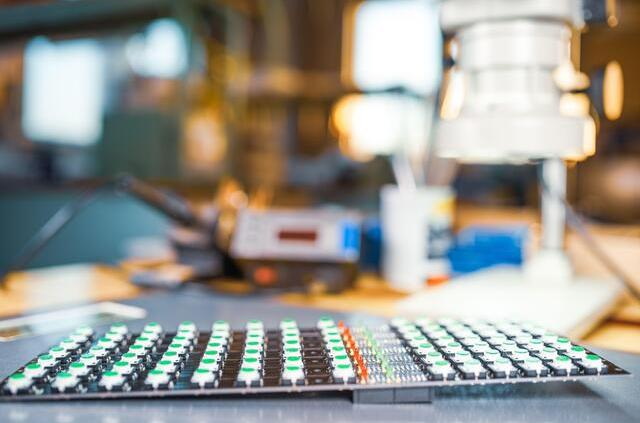
SMT line pictures serve as visual documentation of the production process. These images capture various aspects of the SMT line, including:
- Component Placement: The accuracy of component positioning is vital for ensuring proper functionality of the final product.
- Soldering Quality: Images can reveal defects in solder joints, such as insufficient solder or bridging between components.
- Machine Alignment: Proper alignment of machines affects the speed and quality of production.
By examining these pictures, manufacturers can identify inefficiencies and defects that may not be apparent through traditional monitoring methods. This visual data is invaluable for continuous improvement efforts.
Techniques for Analyzing SMT Line Pictures
Several advanced techniques can be employed to analyze SMT line pictures effectively:
- Artificial Intelligence (AI): AI algorithms can process large volumes of image data to detect patterns and anomalies that indicate inefficiencies. For instance, machine learning models can learn from historical images to predict potential defects in real-time.
- Machine Learning (ML): ML techniques can enhance defect detection by improving accuracy over time as they learn from new data. This allows for more proactive measures to be taken before defects impact production.
- Digital Twin Technology: By creating a virtual representation of the SMT line, manufacturers can simulate various scenarios and analyze how changes in the workflow might affect overall efficiency. This technology enables predictive analysis that helps in decision-making.
These techniques not only help in identifying current issues but also provide insights into future improvements.
Case Studies and Practical Applications
Real-world examples illustrate the effectiveness of analyzing SMT line pictures:
- Defect Reduction: A leading electronics manufacturer implemented an AI-driven image analysis system that reduced defects by 30%. By continuously monitoring and analyzing images, they could quickly identify and rectify issues before they escalated into larger problems.
- Workflow Optimization: Another company utilized digital twin technology to simulate different workflow configurations. By analyzing the outcomes, they optimized their layout, which led to a 20% increase in throughput.
These case studies highlight how leveraging technology to analyze SMT line pictures can result in substantial improvements in efficiency and quality.
Challenges and Solutions
Despite the advantages, several challenges exist when analyzing SMT line pictures:
- Data Integration: Integrating image data with existing production systems can be complex. Manufacturers must ensure that their software solutions can handle data from multiple sources seamlessly.
- Accuracy of Analysis: The effectiveness of image analysis relies heavily on the quality of the images captured. Investing in high-resolution cameras and proper lighting conditions is essential.
- Adapting to New Technologies: As technologies evolve, training personnel to use new tools effectively is crucial. Continuous education and training programs can help mitigate this challenge.
By addressing these challenges proactively, manufacturers can maximize the benefits of analyzing SMT line pictures.
Importance of Inspection Technologies in SMT Lines
To optimize workflows effectively, it is essential to integrate various inspection technologies alongside picture analysis. Key inspection methods include:
- Automated Optical Inspection (AOI): AOI systems utilize high-definition cameras to capture images of PCBs at different stages—after solder paste application, component placement, and post-reflow soldering. These systems compare captured images against predefined standards or CAD files to detect defects such as misalignment or insufficient solder[10].
- X-ray Inspection (AXI): This non-destructive testing method inspects internal structures that are not visible through conventional methods. AXI is particularly useful for detecting hidden solder joints under components like BGAs (Ball Grid Arrays) and QFNs (Quad Flat No-leads)[2][12].
- In-Circuit Testing (ICT): ICT tests electrical properties directly on assembled boards, identifying issues like open circuits or shorts that could lead to failures during operation[10].
By combining image analysis with these inspection technologies, manufacturers can achieve a comprehensive quality assurance strategy that minimizes defects and optimizes workflows.

Implementing a Continuous Improvement Strategy
To ensure ongoing optimization of SMT workflows through picture analysis, manufacturers should adopt a continuous improvement strategy that includes:
1. Regular Data Review: Periodically reviewing analyzed images helps identify recurring issues and trends over time. This data should be used to inform adjustments in processes or equipment settings.
2. Feedback Loops: Establishing feedback mechanisms between operators and engineers ensures that insights gained from picture analysis are communicated effectively. This collaboration fosters a culture of continuous improvement where everyone contributes to optimizing workflows.
3. Training Programs: Regular training sessions on new technologies and best practices for using image analysis tools will empower employees to utilize these resources fully. A well-trained workforce is crucial for maintaining high standards of quality control.
4. Integration with Manufacturing Execution Systems (MES): Integrating picture analysis with MES allows for real-time monitoring and control over production processes. This integration facilitates better decision-making based on data-driven insights[11].
5. Utilizing Digital Twins: Implementing digital twin technology enables manufacturers to simulate different scenarios based on historical data from picture analysis, allowing them to predict outcomes before making changes on the production floor[3].
Future Trends in SMT Line Optimization
As technology continues to advance, several trends are expected to shape the future of SMT line optimization:
- Increased Use of AI and Machine Learning: The integration of AI will become more sophisticated, allowing for even faster detection of anomalies and predictive maintenance capabilities that prevent downtime[5].
- Enhanced Imaging Technologies: Advances in imaging technologies will lead to higher resolution images and more accurate defect detection capabilities[12]. 3D AOI systems will become standard practice as they provide volumetric height information essential for assessing hidden defects[8].
- Greater Emphasis on Sustainability: Manufacturers will increasingly focus on optimizing workflows not just for efficiency but also for sustainability by reducing waste and energy consumption throughout their processes[21].
Conclusion
Analyzing SMT line pictures is a powerful strategy for optimizing workflows in electronics manufacturing. By employing advanced technologies such as AI, machine learning, digital twins, and integrating various inspection methods like AOI and AXI, manufacturers can enhance efficiency, reduce costs, and improve product quality. As the industry continues to evolve, embracing these innovative approaches will be key to maintaining a competitive edge while ensuring sustainable practices are adopted across manufacturing processes.
FAQ
1. What is an SMT line?
An SMT line is a series of machines used for assembling electronic components onto printed circuit boards (PCBs).
2. How can pictures help in optimizing SMT workflows?
Pictures provide visual data that helps identify inefficiencies and defects in the production process, allowing for timely interventions.
3. What technologies are used in analyzing SMT line pictures?
Technologies include artificial intelligence (AI), machine learning (ML), automated optical inspection (AOI), and digital twin models that facilitate detailed analysis and predictive insights.
4. What are the common challenges in SMT line optimization?
Challenges include data integration issues, ensuring accuracy in analysis, adapting personnel to new technologies and systems, as well as maintaining high-quality imaging standards.
5. How can manufacturers start optimizing their SMT lines?
Manufacturers can begin by investing in advanced analytics tools, implementing comprehensive inspection technologies like AOI or AXI, integrating these with existing systems such as MES, and providing training for their workforce on new technologies and processes.
Citations:
[1] https://www.ti.com/pdfs/vf/vidimg/GFM_3D_Shape_Acquisition.pdf
[2] https://www.seamarkzm.com/benefits-and-advantages-of-smt-xray-inspection-in-pcb-assembly.html
[3] https://papers.ssrn.com/sol3/papers.cfm?abstract_id=4633194
[4] https://aoi-spi.com/smt-inspection-technology/
[5] https://quality-line.com/smt-analytics/
[6] https://www.smtfactory.com/Optimizing-Efficiency-Strategies-for-A-Smooth-SMT-Line-Production-Process-id47463586.html
[7] https://www.pcbgogo.com/Article/AOI_in_PCB_and_SMT_Production_Line.html
[8] https://vectorbluehub.com/smt-assembly
[9] https://www.visualcomponents.com/case-studies/europlacer-project-case-study-designing-total-line-solutions-in-a-flash/
[10] https://www.raypcb.com/pcb-inspection-in-smt-assembly-process-ict-aoi-and-axi/
[11] https://blog.intraratio.com/traceability-for-surface-mount-technology-process
[12] https://asselems.com/en/the-benefits-of-3d-aoi-in-smt-assembly
[13] https://smt.asmpt.com/en/news-center/case-studies/
[14] https://smt.asmpt.com/en/products/software-solutions/smt-analytics/
[15] https://ieeexplore.ieee.org/document/8600830/
[16] https://www.electronicdesign.com/home/article/21200828/3-d-techniques-in-smt-test
[17] https://nehakaranjkar.github.io/publications/Digital_Twin.pdf
[18] http://www.amtest.bg/press/AOI/epp_2014-vitechnology.pdf
[19] https://smt.asmpt.com/en/news-center/press/process-optimization-along-the-entire-line/
[20] https://www.cnczone.com/forums/rc-robotics-and-autonomous-robots/113865-image-processing-smt-pick-place.html
[21] https://www.criticalmanufacturing.com/blog/material-optimization-in-the-smt-and-electronics-assembly-industries/


