Content Menu
● Introduction to PCB Cleaning in SMT
>> Importance of Cleaning PCBs
● Methods of Cleaning PCBs
● Frequency of Cleaning PCBs in SMT Processes
● SMT PCB Cleaner Selection
● Automatic PCB Cleaning Machines
>> Advantages of Automated Cleaning
● Challenges in PCB Cleaning
● Best Practices for PCB Cleaning
● Conclusion
● Frequently Asked Questions
>> 1. What is the safest solvent for cleaning PCBs?
>> 2. Can I use water to clean a PCB?
>> 3. How often should PCBs be cleaned in SMT processes?
>> 4. What are the advantages of using automatic PCB cleaning machines?
>> 5. What factors affect the difficulty of cleaning flux residues from PCBs?
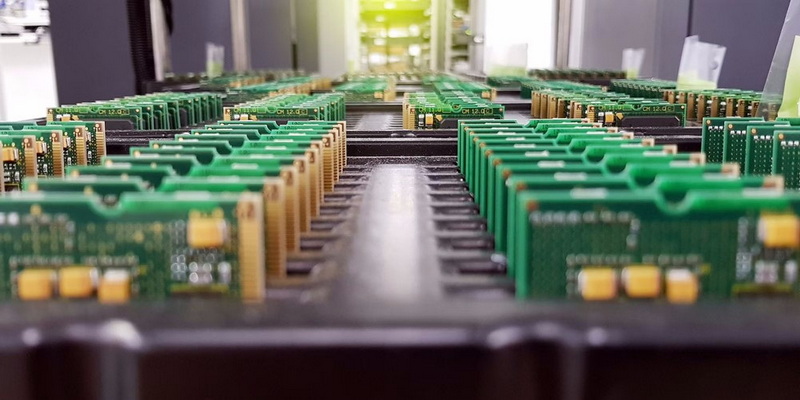
Cleaning printed circuit boards (PCBs) is a crucial step in Surface Mount Technology (SMT) processes. It ensures the reliability and functionality of electronic devices by removing contaminants such as flux residues, soldering paste, and dust. In this article, we will explore the importance of cleaning PCBs, the methods used, and how often cleaning should be performed in SMT processes.
Introduction to PCB Cleaning in SMT
SMT assembly involves mounting components onto PCBs using solder paste. After the soldering process, flux residues often remain on the board. These residues can be hygroscopic, absorbing moisture and potentially leading to electrical shorts or corrosion over time. Therefore, cleaning PCBs after SMT assembly is essential to prevent such issues and ensure the longevity of the electronic devices.
Importance of Cleaning PCBs
1. Prevents Corrosion and Electrical Shorts: Flux residues can absorb moisture, leading to corrosion on component leads and PCB traces. Cleaning removes these residues, reducing the risk of electrical shorts and corrosion.
2. Improves Soldering Quality: Clean PCBs ensure better solder adhesion during rework or additional assembly steps, enhancing the overall quality of the solder joints.
3. Enhances Reliability: By removing contaminants, cleaning improves the reliability of electronic devices, reducing the likelihood of failures due to dust, flux, or corrosion.
4. Compliance with Industry Standards: Many industries, such as aerospace and medical electronics, require strict cleanliness standards for PCBs. Regular cleaning helps meet these standards.
Methods of Cleaning PCBs
Several methods are used to clean PCBs, each suitable for different types of contaminants and fluxes:
- Water-Based Cleaning: This method uses deionized water, often with detergents or surfactants, to remove water-soluble flux residues. It is effective for aqueous fluxes but not suitable for rosin or no-clean fluxes.
- Solvent-Based Cleaning: Solvents like isopropyl alcohol (IPA) are effective for removing rosin and no-clean flux residues. IPA evaporates quickly, leaving no residue, making it a popular choice for manual cleaning.
- Ultrasonic Cleaning: This method uses high-frequency sound waves to dislodge contaminants. It is particularly effective for removing flux under tightly spaced components but can be too harsh for sensitive components.
- Vapor Phase Cleaning: This involves using vaporized cleaning agents that condense onto the PCB, dissolving contaminants. It is less common but useful for precision cleaning.
- Saponification Cleaning: Used for rosin-based fluxes, this method involves alkaline cleaners that convert the flux into water-soluble substances for easy rinsing.
Frequency of Cleaning PCBs in SMT Processes
The frequency of cleaning PCBs depends on several factors:
- Environmental Conditions: PCBs in dusty or humid environments require more frequent cleaning, typically every 3 to 6 months.
- Production Volume: In high-volume SMT production, PCBs may be cleaned after each assembly step to ensure quality and prevent defects.
- Component Sensitivity: Some components may require special cleaning procedures or may not be cleaned at all. Always refer to manufacturer guidelines for sensitive components.
SMT PCB Cleaner Selection
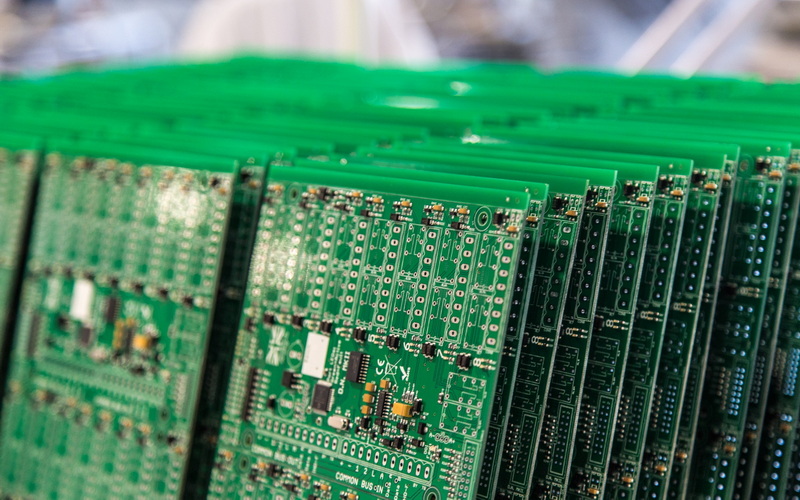
Choosing the right SMT PCB cleaner is crucial. For manual cleaning, high-purity isopropyl alcohol (IPA) is recommended due to its effectiveness and quick evaporation. For water-soluble fluxes, deionized water is ideal. In automated processes, machines may use a combination of water-based and solvent-based cleaning agents.
Automatic PCB Cleaning Machines
Fully automatic PCB cleaning machines are designed to efficiently clean PCB surfaces before solder paste printing or adhesive coating. These machines ensure a high cleaning rate, eliminating static interference and improving SMT yield by removing contaminants like dust and metal particles.
Advantages of Automated Cleaning
1. Consistency: Automated machines provide consistent cleaning results, reducing variability and improving product quality.
2. Efficiency: They can handle large volumes of PCBs quickly, making them ideal for high-volume production lines.
3. Reduced Labor Costs: By automating the cleaning process, manufacturers can reduce labor costs associated with manual cleaning.
4. Environmental Benefits: Automated systems often use less solvent and water compared to manual methods, reducing waste and environmental impact.
Challenges in PCB Cleaning
Despite the importance of cleaning, there are challenges to consider:
1. Component Sensitivity: Some components, such as connectors or switches, may be damaged by certain cleaning methods or solvents.
2. Flux Type: Different flux types require specific cleaning methods. Incorrect methods can leave residues or damage components.
3. Cost and Efficiency: Balancing the cost of cleaning with production efficiency is crucial. Over-cleaning can be wasteful, while under-cleaning can lead to defects.
4. Environmental Regulations: Compliance with environmental regulations regarding solvent usage and waste disposal is essential.
Best Practices for PCB Cleaning
To ensure effective and safe cleaning, follow these best practices:
1. Use Proper Cleaning Agents: Always use cleaning agents compatible with the PCB materials and components.
2. Follow Manufacturer Guidelines: Refer to component and PCB manufacturer guidelines for specific cleaning recommendations.
3. Test Cleaning Methods: Before mass production, test cleaning methods on a small batch to ensure effectiveness and safety.
4. Regular Maintenance: Regularly inspect and maintain cleaning equipment to ensure optimal performance.
Conclusion
Cleaning PCBs is a vital step in SMT processes to ensure the reliability and functionality of electronic devices. The frequency of cleaning depends on environmental conditions, production volume, and component sensitivity. By selecting the appropriate cleaning method and using the right SMT PCB cleaner, manufacturers can enhance product quality and meet stringent industry standards.
Frequently Asked Questions
1. What is the safest solvent for cleaning PCBs?
The safest and most effective solvent for cleaning PCBs is high-purity isopropyl alcohol (IPA), typically 90% or above. It evaporates quickly, leaves no residue, and effectively removes flux, oils, and dust without damaging components.
2. Can I use water to clean a PCB?
Yes, you can use water to clean a PCB, but only deionized (DI) or distilled water. Tap water should be avoided as it can leave mineral deposits that may cause corrosion or conductive buildup.
3. How often should PCBs be cleaned in SMT processes?
The frequency of cleaning PCBs in SMT processes depends on the environment. Indoor boards may only need occasional cleaning, while those in industrial or dusty environments require maintenance every 3 to 6 months. Mission-critical systems should be inspected and cleaned more frequently.
4. What are the advantages of using automatic PCB cleaning machines?
Automatic PCB cleaning machines offer several advantages, including efficient removal of contaminants, high cleaning rates, and reduced risk of static interference. They improve SMT yield by ensuring clean PCB surfaces before solder paste application.
5. What factors affect the difficulty of cleaning flux residues from PCBs?
Factors affecting the difficulty of cleaning flux residues include the type of flux (e.g., rosin, no-clean), the amount of flux residue, and the soldering temperature. Higher temperatures can bake on flux, making it harder to remove.


