Content Menu
● Understanding SMT Stencils and Their Role in Manufacturing
● What is SMT Stencil Recycling?
● How SMT Stencil Recycling Improves Manufacturing Efficiency
>> 1. Cost Reduction
>> 2. Enhanced Production Throughput
>> 3. Improved Print Quality and Yield
>> 4. Environmental and Safety Benefits
>> 5. Preservation of Stencil Integrity
● Methods of SMT Stencil Recycling
>> Manual Cleaning
>> Automated Stencil Cleaning Machines
>> Chemical Cleaning Agents
● Best Practices for SMT Stencil Recycling
● Additional Considerations in SMT Stencil Recycling
>> Impact on Lead Times and Supply Chain
>> Integration with Industry 4.0 and Smart Manufacturing
>> Cost-Benefit Analysis
● Conclusion
● Frequently Asked Questions (FAQ)
>> 1. What is SMT stencil recycling?
>> 2. How often should SMT stencils be cleaned?
>> 3. What cleaning methods are best for SMT stencil recycling?
>> 4. Can SMT stencil recycling damage the stencil?
>> 5. What are the environmental benefits of SMT stencil recycling?
Surface Mount Technology (SMT) stencils are fundamental tools in modern electronics manufacturing, enabling precise and efficient solder paste deposition on printed circuit boards (PCBs). As the electronics industry continues to evolve, optimizing every aspect of the manufacturing process is critical to maintaining quality, reducing costs, and increasing throughput. One key strategy to achieve these goals is SMT stencil recycling-the process of cleaning and reusing SMT stencils multiple times. This article explores how SMT stencil recycling enhances manufacturing efficiency, the methods involved, benefits, and best practices.
Understanding SMT Stencils and Their Role in Manufacturing
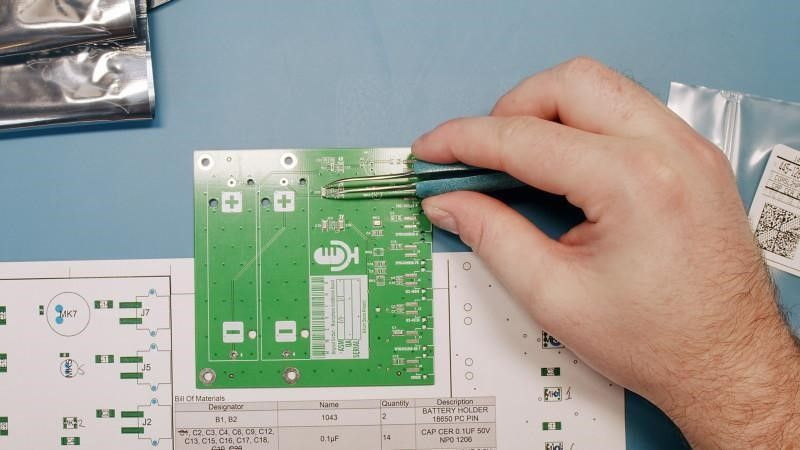
SMT stencils are thin sheets, typically made from stainless steel or nickel, with laser-cut apertures that correspond to the pads on a PCB where solder paste is applied. These apertures ensure solder paste is deposited accurately and consistently, which is crucial for the quality and reliability of surface mount assembly processes.
The stencil printing process involves applying solder paste through the stencil apertures onto the PCB pads, after which components are placed and soldered. The quality of this step directly influences the yield and performance of the final electronic product. Any irregularities in stencil apertures or residual solder paste can lead to defects such as insufficient solder, bridging, or tombstoning, which degrade product reliability.
Because SMT stencils are precision tools, their maintenance and reuse are vital to sustaining high manufacturing standards. This is where SMT stencil recycling plays a critical role.
What is SMT Stencil Recycling?
SMT stencil recycling refers to the cleaning and reuse of SMT stencils after each printing cycle. During use, solder paste residues accumulate on the stencil surface and inside apertures, which can cause defects if not properly removed. Recycling the stencil involves removing these residues so the stencil can be reused without compromising print quality.
Recycling stencils is a cost-effective and environmentally friendly practice that reduces the frequency of purchasing new stencils and minimizes waste. It also helps maintain the stencil's aperture integrity and prevents contamination that could affect solder paste deposition.
How SMT Stencil Recycling Improves Manufacturing Efficiency
1. Cost Reduction
One of the most immediate benefits of SMT stencil recycling is the reduction in manufacturing costs. SMT stencils are expensive precision tools, often costing hundreds to thousands of dollars depending on size and complexity. Frequent replacement due to damage or contamination can significantly increase production expenses.
By implementing effective stencil recycling practices, manufacturers can extend the lifespan of their stencils, sometimes doubling or tripling their usable life. This reduces the need for frequent purchases and lowers the overall cost per PCB assembled. Additionally, recycling reduces inventory requirements and storage costs related to new stencil procurement.
2. Enhanced Production Throughput
Efficient stencil recycling minimizes downtime between production runs. Automated cleaning systems can quickly remove solder paste residues, enabling faster turnaround times for stencil reuse. This accelerates the printing process and increases the number of PCBs produced per shift.
When stencils are cleaned promptly and effectively, manufacturers avoid delays caused by print defects or the need to wait for stencil replacement. This streamlined workflow contributes to higher throughput and better on-time delivery performance.
3. Improved Print Quality and Yield
Residual solder paste in stencil apertures can cause printing defects such as insufficient solder, bridging, or smearing. These defects often lead to increased rework or scrap rates, negatively impacting yield and profitability.
Recycling stencils through thorough cleaning ensures apertures remain clear and precise, leading to consistent solder paste deposition. This improves product quality, reduces rework rates, and enhances yield. A clean stencil also helps maintain uniform solder paste volume, which is critical for component placement accuracy and solder joint reliability.
4. Environmental and Safety Benefits
Modern stencil recycling methods often employ environmentally friendly cleaning agents and closed-loop cleaning systems that recycle cleaning fluids. This reduces hazardous waste, lowers emissions, and improves worker safety by minimizing exposure to harmful solvents.
By reducing the consumption of new stencils and limiting chemical waste, SMT stencil recycling supports sustainable manufacturing practices. Many companies now prioritize green initiatives, and adopting stencil recycling is an important step toward reducing the environmental footprint of electronics production.
5. Preservation of Stencil Integrity
Proper recycling techniques avoid damage to the stencil's delicate apertures and frame. For example, cleaning at controlled temperatures prevents deformation caused by thermal expansion of different metals in the stencil assembly. This preservation maintains stencil accuracy and prolongs its usable life.
In contrast, improper cleaning methods-such as aggressive mechanical scrubbing or exposure to harsh chemicals-can erode aperture edges or cause warping, leading to poor print quality and early stencil retirement. Therefore, using appropriate recycling processes is essential for maintaining stencil integrity over multiple production cycles.
Methods of SMT Stencil Recycling
Manual Cleaning
Traditionally, stencils are cleaned manually using wipes soaked with cleaning agents. While simple, this method is labor-intensive, inconsistent, and may expose workers to harmful chemicals. It also risks damaging the stencil if not done carefully.
Manual cleaning is often used for small production volumes or quick cleaning between short runs. However, it is generally less efficient and less effective at thoroughly removing solder paste residues, especially inside tiny apertures.
Automated Stencil Cleaning Machines
Automated cleaning machines use various technologies to efficiently recycle SMT stencils:
- Pneumatic Cleaning Machines: Use compressed air and sealed cleaning fluid circulation to clean stencils without electricity, reducing fire hazards and solvent exposure. These systems are often portable and suitable for on-site cleaning.
- Ultrasonic Cleaning Systems: Employ ultrasonic agitation with aqueous detergents at low temperatures to remove solder paste effectively without damaging the stencil. Ultrasonic cleaning reaches inside apertures and removes residues that manual methods might miss.
- Spray-in-Atmosphere and Spray-Under-Immersion Systems: Use sprays of cleaning agents to remove residues, often combined with filtration and solvent recovery systems to minimize waste. These systems provide thorough cleaning and drying cycles, ensuring stencils are ready for immediate reuse.
Automated systems improve cleaning consistency, speed, and safety while reducing environmental impact. They are particularly beneficial for high-volume manufacturing environments where stencil recycling is frequent.
Chemical Cleaning Agents
The choice of cleaning agent is critical in SMT stencil recycling. Water-based detergents are preferred for their environmental friendliness and safety. Some cleaning agents are specially formulated to dissolve solder paste components without damaging stencil materials or leaving residues.
Solvent-based cleaners, while effective, are less favored due to their toxicity, flammability, and regulatory restrictions. Modern aqueous cleaning solutions combined with ultrasonic or spray technologies provide an optimal balance of cleaning power and safety.
Best Practices for SMT Stencil Recycling
To maximize the benefits of SMT stencil recycling and maintain manufacturing efficiency, consider the following best practices:
- Use Environmentally Safe Detergents: Select cleaning agents that comply with environmental regulations and minimize worker exposure to hazardous substances.
- Avoid High-Temperature Cleaning or Drying: Excessive heat can degrade stencil adhesives and cause warping. Controlled temperature cleaning preserves stencil flatness and aperture geometry.
- Employ Closed-Loop Cleaning Systems: Systems that recycle cleaning fluids reduce solvent consumption, waste generation, and operational costs.
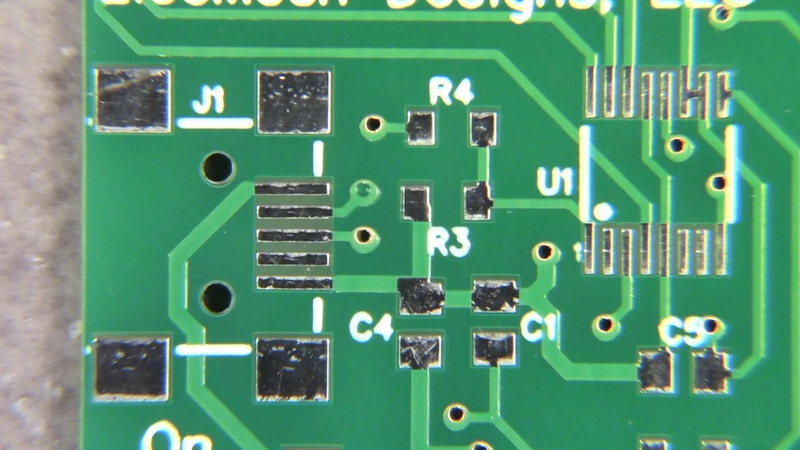
- Regularly Inspect Stencils: Use magnification tools to check for residual solder paste or aperture damage after cleaning. Early detection prevents printing defects.
- Train Operators: Proper handling and cleaning techniques extend stencil life and maintain print quality. Operator training reduces the risk of accidental damage.
- Document Cleaning Cycles: Keeping records of stencil usage and cleaning cycles helps predict stencil lifespan and plan replacements proactively.
- Implement Preventive Maintenance: Regular maintenance of cleaning equipment ensures consistent performance and avoids unexpected downtime.
Additional Considerations in SMT Stencil Recycling
Impact on Lead Times and Supply Chain
By recycling stencils efficiently, manufacturers reduce dependence on external stencil suppliers, which can be affected by lead times and supply chain disruptions. This autonomy enhances production scheduling flexibility and responsiveness to changes in demand.
Integration with Industry 4.0 and Smart Manufacturing
Advanced stencil recycling systems can be integrated with Industry 4.0 technologies, such as IoT sensors and data analytics. Real-time monitoring of stencil condition and cleaning effectiveness enables predictive maintenance and process optimization, further improving manufacturing efficiency.
Cost-Benefit Analysis
While investing in automated stencil recycling equipment requires upfront capital, the long-term savings from reduced stencil purchases, lower defect rates, and increased throughput justify the investment. Companies should conduct detailed cost-benefit analyses tailored to their production volumes and product complexity.
Conclusion
SMT stencil recycling is a vital practice that significantly enhances manufacturing efficiency in electronics production. By enabling cost savings, increasing throughput, improving print quality, and promoting environmental sustainability, stencil recycling supports both economic and operational goals. Leveraging advanced cleaning technologies and best practices ensures stencils maintain their precision and longevity, ultimately contributing to higher yields and better product reliability in the surface mount assembly process.
In today's competitive electronics market, where quality, speed, and sustainability are paramount, SMT stencil recycling is not just a maintenance task but a strategic advantage that drives continuous improvement and operational excellence.
Frequently Asked Questions (FAQ)
1. What is SMT stencil recycling?
SMT stencil recycling is the process of cleaning used SMT stencils to remove solder paste residues so they can be reused in subsequent PCB assembly cycles, reducing costs and waste.
2. How often should SMT stencils be cleaned?
SMT stencils should be cleaned after every printing cycle or batch to prevent solder paste buildup, which can cause defects and reduce print quality.
3. What cleaning methods are best for SMT stencil recycling?
Automated cleaning machines using ultrasonic agitation with aqueous detergents or pneumatic systems are preferred for effective, safe, and environmentally friendly stencil recycling.
4. Can SMT stencil recycling damage the stencil?
Improper cleaning, especially with high temperatures or harsh solvents, can damage stencils by degrading adhesives or causing metal distortion. Proper methods avoid these issues and preserve stencil integrity.
5. What are the environmental benefits of SMT stencil recycling?
Recycling stencils with closed-loop cleaning systems reduces hazardous waste, lowers solvent emissions, and minimizes worker exposure to toxic chemicals, supporting safer and greener manufacturing.


