Content Menu
● Introduction
● Understanding SMT PCB Design
>> What is SMT PCB Design?
>> Key Advantages of SMT PCB Design
● How SMT PCB Design Improves Circuit Performance
>> Reduced Parasitic Effects
>> Enhanced Signal Integrity
>> Better Power Distribution
>> Improved Thermal Management
● How SMT PCB Design Enhances Reliability
>> Reduced Mechanical Stress
>> Enhanced Solder Joint Reliability
>> Improved Resistance to Environmental Factors
>> Better Compatibility with Automated Testing
● Design Considerations for Optimizing SMT PCB Performance and Reliability
>> Component Selection
>> Layout Optimization
>> Thermal Management Strategies
>> Signal Integrity Considerations
>> Manufacturing and Assembly Considerations
● Advanced Techniques in SMT PCB Design
>> Multi-Layer PCB Designs
>> Embedded Components
>> High-Density Interconnect (HDI) Techniques
● Challenges and Limitations of SMT PCB Design
● Future Trends in SMT PCB Design
● Conclusion
● Frequently Asked Questions (FAQ)
>> 1. What are the main differences between SMT and through-hole PCB design?
>> 2. How does SMT PCB design contribute to miniaturization of electronic devices?
>> 3. What are some common challenges in SMT PCB design, and how can they be addressed?
>> 4. How does SMT PCB design impact the overall cost of electronic product manufacturing?
>> 5. What are some emerging trends in SMT PCB design that designers should be aware of?
Introduction
Surface Mount Technology (SMT) has revolutionized the world of Printed Circuit Board (PCB) design and manufacturing. As electronic devices continue to shrink in size while increasing in complexity and functionality, SMT PCB design has become an indispensable approach for creating high-performance, reliable circuits. This article will explore the various ways in which SMT PCB design enhances circuit performance and reliability, delving into the intricacies of this technology and its impact on modern electronics.
Understanding SMT PCB Design
What is SMT PCB Design?
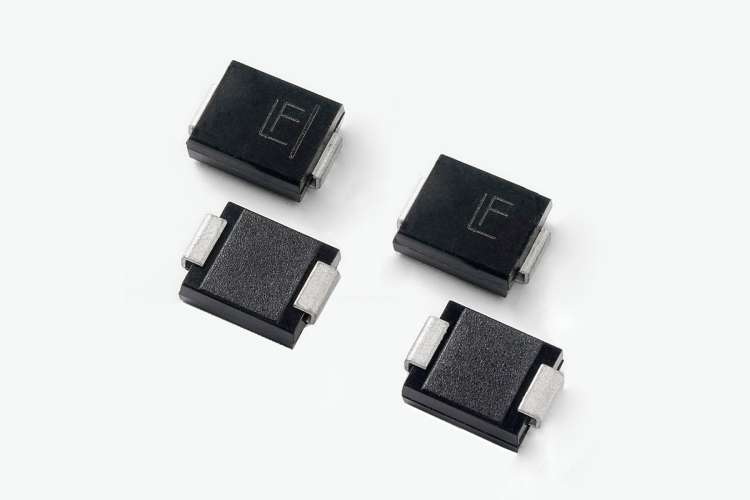
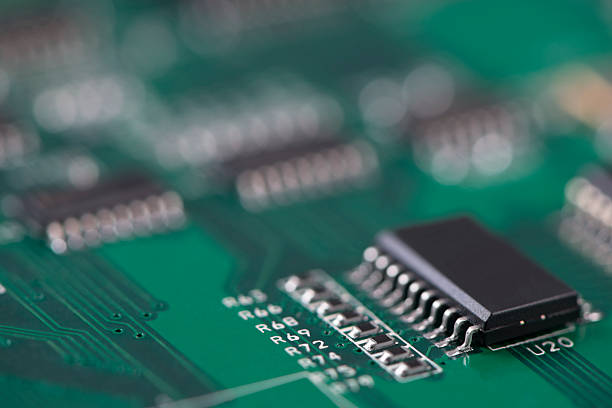
SMT PCB design refers to the process of creating circuit boards that utilize surface mount components instead of through-hole components. In SMT, electronic components are mounted directly onto the surface of the PCB, rather than having their leads inserted through holes in the board. This approach allows for higher component density, smaller board sizes, and improved electrical performance.
Key Advantages of SMT PCB Design
1. Increased component density
2. Reduced board size and weight
3. Improved electrical performance
4. Enhanced reliability
5. Lower manufacturing costs
6. Better suitability for automation
How SMT PCB Design Improves Circuit Performance
Reduced Parasitic Effects
One of the primary ways SMT PCB design improves circuit performance is by reducing parasitic effects. In traditional through-hole designs, the long leads of components can act as antennas, introducing unwanted inductance and capacitance. SMT components have much shorter leads or no leads at all, significantly reducing these parasitic effects. This reduction leads to:
1. Improved signal integrity
2. Reduced electromagnetic interference (EMI)
3. Better high-frequency performance
Enhanced Signal Integrity
SMT PCB design allows for shorter trace lengths between components, which is crucial for maintaining signal integrity. Shorter traces mean:
1. Reduced signal propagation delays
2. Minimized signal reflections
3. Less crosstalk between adjacent traces
These factors contribute to cleaner signals and more reliable circuit operation, especially in high-speed digital designs.
Better Power Distribution
The compact nature of SMT components and their placement flexibility enable more efficient power distribution across the PCB. This improvement results in:
1. Reduced voltage drops
2. Lower power consumption
3. Improved thermal management
By optimizing power distribution, SMT PCB design ensures that all components receive adequate power, enhancing overall circuit performance.
Improved Thermal Management
SMT PCB design offers better thermal management capabilities compared to through-hole designs. The direct contact between SMT components and the PCB allows for more efficient heat dissipation. Additionally, the compact layout enables:
1. More effective use of heat sinks
2. Better airflow around components
3. Reduced thermal resistance
Improved thermal management leads to more stable operation and increased component longevity.
How SMT PCB Design Enhances Reliability
Reduced Mechanical Stress
SMT components are less susceptible to mechanical stress compared to their through-hole counterparts. The absence of long leads means:
1. Less vulnerability to vibration and shock
2. Reduced risk of component failure due to mechanical fatigue
3. Improved durability in harsh environments
This reduction in mechanical stress significantly enhances the overall reliability of the circuit.
Enhanced Solder Joint Reliability
SMT PCB design typically results in more reliable solder joints. The surface mounting process allows for:
1. More uniform solder joints
2. Better control of solder volume
3. Reduced thermal stress during soldering
These factors contribute to stronger, more durable connections between components and the PCB, reducing the likelihood of failures due to poor solder joints.
Improved Resistance to Environmental Factors
The compact nature of SMT PCB designs makes them more resistant to environmental factors such as:
1. Humidity
2. Dust
3. Temperature fluctuations
The reduced surface area and tighter component placement make it easier to implement effective protective measures, such as conformal coatings, further enhancing reliability.
Better Compatibility with Automated Testing
SMT PCB design lends itself well to automated testing procedures. The standardized component placement and reduced board size allow for:
1. More efficient in-circuit testing
2. Easier implementation of boundary scan testing
3. Improved test coverage
Enhanced testability leads to better quality control and increased reliability of the final product.
Design Considerations for Optimizing SMT PCB Performance and Reliability
Component Selection
Choosing the right components is crucial for maximizing the benefits of SMT PCB design. Consider the following factors:
1. Size and footprint
2. Thermal characteristics
3. Electrical specifications
4. Availability and cost
Selecting components that are optimized for SMT can significantly impact the overall performance and reliability of the circuit.
Layout Optimization
Proper component placement and trace routing are essential for achieving optimal performance in SMT PCB design. Key considerations include:
1. Minimizing trace lengths
2. Implementing proper grounding techniques
3. Optimizing component orientation for thermal management
4. Ensuring adequate spacing between components for manufacturability
A well-optimized layout can greatly enhance both performance and reliability.
Thermal Management Strategies
Effective thermal management is crucial in SMT PCB design. Consider implementing the following strategies:
1. Use of thermal vias for heat dissipation
2. Proper placement of heat-generating components
3. Implementation of copper pours for improved heat distribution
4. Incorporation of dedicated heat sinks where necessary
Proper thermal management ensures stable operation and extends component lifespan.
Signal Integrity Considerations
To maintain signal integrity in SMT PCB designs, consider the following:
1. Impedance matching for high-speed signals
2. Proper use of decoupling capacitors
3. Minimizing crosstalk through careful trace routing
4. Implementing differential signaling where appropriate
Addressing signal integrity concerns is crucial for achieving optimal circuit performance.
Manufacturing and Assembly Considerations
To ensure reliability and manufacturability, consider the following aspects:
1. Designing for proper solder paste application
2. Implementing fiducial markers for accurate component placement
3. Allowing for adequate clearance around components for pick-and-place machines
4. Considering the reflow profile during component selection
Addressing manufacturing and assembly considerations early in the design process can significantly improve the reliability of the final product.
Advanced Techniques in SMT PCB Design
Multi-Layer PCB Designs
Multi-layer PCB designs offer additional benefits in SMT applications, including:
1. Increased routing density
2. Improved signal integrity through dedicated ground and power planes
3. Enhanced EMI shielding capabilities
4. Greater design flexibility
Leveraging multi-layer designs can further improve the performance and reliability of SMT PCBs.
Embedded Components
The use of embedded components in SMT PCB design is an emerging technique that offers several advantages:
1. Further reduction in board size
2. Improved signal integrity due to shorter interconnects
3. Enhanced protection of sensitive components
4. Increased design flexibility
While more complex to manufacture, embedded component designs can offer significant performance and reliability improvements in certain applications.
High-Density Interconnect (HDI) Techniques
HDI techniques, such as microvias and fine-pitch components, enable even greater component density and performance in SMT PCB designs. Benefits include:
1. Reduced board size and weight
2. Improved electrical performance due to shorter interconnects
3. Enhanced signal integrity in high-speed designs
4. Greater design flexibility for complex circuits
HDI techniques are particularly valuable in applications where size and performance are critical factors.
Challenges and Limitations of SMT PCB Design
While SMT PCB design offers numerous advantages, it also presents some challenges:
1. Increased complexity in design and manufacturing
2. Higher initial tooling costs
3. Potential difficulties in manual rework and repair
4. Limitations in power handling for certain applications
Addressing these challenges requires careful planning and consideration throughout the design process.
Future Trends in SMT PCB Design
As technology continues to advance, several trends are shaping the future of SMT PCB design:
1. Increasing adoption of 3D printing for prototyping and small-scale production
2. Integration of flexible and rigid-flex PCB designs
3. Advancements in materials science for improved thermal management and electrical performance
4. Greater emphasis on design for recyclability and environmental sustainability
Staying abreast of these trends will be crucial for designers looking to leverage the full potential of SMT PCB design in future applications.
Conclusion
SMT PCB design has revolutionized the electronics industry by enabling the creation of smaller, more efficient, and more reliable circuits. Through reduced parasitic effects, enhanced signal integrity, improved thermal management, and increased reliability, SMT PCB design significantly improves both circuit performance and reliability. As technology continues to advance, the importance of SMT PCB design in creating high-performance electronic devices will only continue to grow.
By carefully considering component selection, layout optimization, thermal management, signal integrity, and manufacturing processes, designers can fully leverage the benefits of SMT PCB design. As we look to the future, emerging techniques such as embedded components and HDI will further push the boundaries of what is possible in electronic design.
The ongoing evolution of SMT PCB design techniques will undoubtedly play a crucial role in shaping the next generation of electronic devices, enabling ever-more compact, efficient, and reliable products across a wide range of industries.
Frequently Asked Questions (FAQ)
1. What are the main differences between SMT and through-hole PCB design?
SMT (Surface Mount Technology) and through-hole are two different approaches to PCB design and component mounting. The main differences include:
- Component size: SMT components are generally smaller and have no leads or very short leads.
- Mounting method: SMT components are mounted directly on the PCB surface, while through-hole components have leads inserted through holes in the board.
- Component density: SMT allows for higher component density due to smaller component sizes.
- Performance: SMT typically offers better high-frequency performance due to reduced parasitic effects.
- Automation: SMT is more suitable for automated assembly processes.
2. How does SMT PCB design contribute to miniaturization of electronic devices?
SMT PCB design contributes to miniaturization in several ways:
- Smaller component sizes allow for more compact board layouts.
- Higher component density enables more functionality in a smaller area.
- Reduced need for through-holes allows for more efficient use of board space.
- Multi-layer designs with SMT components can further reduce overall board size.
- The ability to place components on both sides of the PCB maximizes space utilization.
3. What are some common challenges in SMT PCB design, and how can they be addressed?
Common challenges in SMT PCB design include:
- Thermal management: Address by using thermal vias, copper pours, and proper component placement.
- Signal integrity: Mitigate through careful trace routing, impedance matching, and proper use of decoupling capacitors.
- Manufacturing complexity: Overcome by designing with manufacturing considerations in mind and working closely with PCB fabricators.
- Rework difficulties: Minimize through thorough design verification and testing before production.
- Cost considerations: Balance by carefully selecting components and optimizing the design for manufacturability.
4. How does SMT PCB design impact the overall cost of electronic product manufacturing?
SMT PCB design can impact manufacturing costs in several ways:
- Reduced material costs due to smaller board sizes and components.
- Increased assembly efficiency through automation, leading to lower labor costs.
- Potential for higher initial tooling costs, especially for small production runs.
- Improved yield rates due to more reliable assembly processes.
- Reduced rework and repair costs due to improved reliability.
- Potential for cost savings in shipping and handling due to smaller, lighter products.
5. What are some emerging trends in SMT PCB design that designers should be aware of?
Emerging trends in SMT PCB design include:
- Increased use of embedded components for even greater miniaturization.
- Adoption of high-density interconnect (HDI) techniques for complex, high-performance designs.
- Integration of flexible and rigid-flex PCB designs for applications requiring flexibility.
- Growing emphasis on design for sustainability and recyclability.
- Advancements in materials science for improved thermal and electrical performance.
- Increased use of 3D printing for prototyping and small-scale production of SMT PCBs.


