Content Menu
● Introduction
● What is Surface Mount Technology (SMT)?
● How SMT Enhances Product Miniaturization
>> Smaller Components
>> Dual-Sided Mounting
>> Shorter Signal Paths
>> Automated Production
>> Enhanced Design Flexibility
● Benefits of SMT in Miniaturization
● Challenges in SMT and Miniaturization
● Applications of SMT in Various Industries
>> Consumer Electronics
>> Medical Devices
>> Automotive Systems
>> Aerospace and Defense
● Future Trends in SMT Technology
>> Integration with Advanced Manufacturing Techniques
>> Increased Use of AI in Design Processes
>> Sustainability Considerations
● Conclusion
● FAQ
>> 1. What is the main advantage of SMT over Through-Hole Technology?
>> 2. How does SMT improve signal integrity?
>> 3. What are some challenges associated with using SMT?
>> 4. In which industries is SMT most commonly utilized?
>> 5. How does SMT contribute to cost efficiency?
● Citations:
Introduction
Surface Mount Technology (SMT) has fundamentally transformed the electronics industry, particularly in the design and manufacturing of Printed Circuit Boards (PCBs). By facilitating the miniaturization of electronic components, SMT has enabled the creation of smaller, more efficient, and high-performing devices. This article delves into how SMT contributes to product miniaturization, its benefits, challenges, and its applications across various industries.
What is Surface Mount Technology (SMT)?
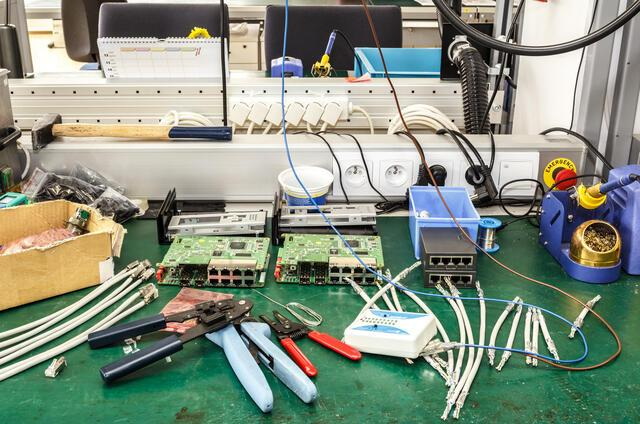
Surface Mount Technology is a method for mounting electronic components directly onto the surface of a PCB. Unlike traditional Through-Hole Technology, which necessitates drilling holes for component leads, SMT allows components to be soldered directly onto the board. This innovation eliminates the need for large lead holes, enabling the development of smaller and more compact PCBs.
How SMT Enhances Product Miniaturization
Smaller Components
One of the most significant advantages of SMT is the size reduction of electronic components. SMT components are typically much smaller than their Through-Hole counterparts, allowing for higher component density on PCBs. This reduction can be as much as 90%, enabling the design of compact and lightweight electronic devices.
Dual-Sided Mounting
SMT allows components to be mounted on both sides of the PCB. This dual-sided capability maximizes the use of available space and is crucial for creating high-density and complex circuit designs. By utilizing both sides, designers can fit more functionality into a smaller footprint.
Shorter Signal Paths
The shorter electrical paths associated with SMT reduce signal interference and enhance performance. This is particularly beneficial for high-frequency and high-speed applications where maintaining signal integrity is critical. Shorter paths mean reduced resistance and lower electromagnetic interference (EMI), leading to improved overall device performance.
Automated Production
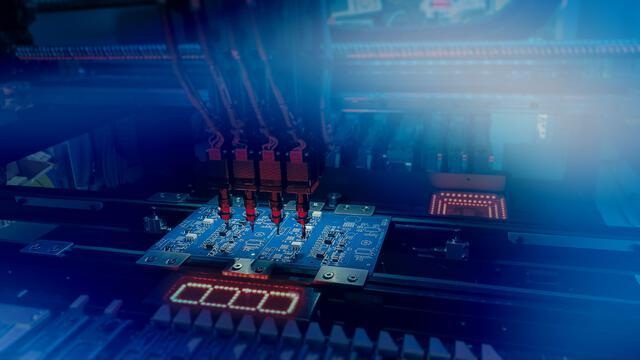
SMT supports automated assembly processes that not only increase production efficiency but also reduce costs. Automation minimizes human error and accelerates production rates, making it ideal for large-scale manufacturing. The streamlined production process enables manufacturers to produce PCBs at a higher speed while maintaining quality.
Enhanced Design Flexibility
SMT provides designers with greater flexibility in PCB layout. The ability to place components on both sides of the board allows for intricate designs that were previously challenging to achieve with Through-Hole Technology. This flexibility facilitates innovative product designs that can integrate multiple functionalities within a limited space.
Benefits of SMT in Miniaturization
- Enhanced Performance: The combination of shorter signal paths and reduced parasitic effects improves the speed and reliability of electronic devices.
- Cost Efficiency: Smaller components and automated processes lead to lower material and labor costs.
- Design Flexibility: The ability to place components on both sides of the PCB provides greater design freedom, allowing for more intricate layouts.
- Improved Durability: SMT components are less susceptible to vibration and shock due to their direct soldering onto the PCB surface, making them suitable for rugged environments.
- Higher Component Density: With smaller sizes, more components can fit into a single board area, allowing for more advanced functionalities without increasing device size.
Challenges in SMT and Miniaturization
While SMT offers numerous advantages, it also presents several challenges:
- Thermal Management: Compact designs can lead to heat dissipation issues. Advanced thermal management solutions are necessary to ensure device reliability.
- Design Complexity: Miniaturization demands precise component placement and intricate PCB designs, increasing design complexity.
- Manufacturing Expertise: Specialized equipment and skilled personnel are essential for effective SMT production. The need for precision in manufacturing can pose challenges for less experienced teams.
- Rework Difficulties: Due to their compactness and leadless design, SMT components can be harder to rework or replace if defects occur, complicating repairs or modifications.
Applications of SMT in Various Industries
Consumer Electronics
SMT is extensively used in consumer electronics such as smartphones, tablets, and wearables. The demand for compactness and performance drives the adoption of SMT in these devices. The ability to integrate multiple functionalities into smaller devices has revolutionized how consumers interact with technology daily.
Medical Devices
In the medical field, SMT enables the development of portable and minimally invasive diagnostic and therapeutic devices. The miniaturization achieved through SMT enhances patient comfort and device usability while ensuring that critical functions are maintained in a compact form factor.
Automotive Systems
SMT contributes significantly to automotive electronics by enhancing performance and reliability while reducing space requirements in vehicles. As vehicles become increasingly reliant on electronics for safety features, navigation systems, and infotainment options, SMT plays a crucial role in ensuring these systems are both compact and efficient.
Aerospace and Defense
The aerospace sector benefits from the reduced size and weight of SMT components, which are critical in applications where space is limited but performance must remain high. In defense applications where reliability is paramount, SMT's durability under extreme conditions makes it an ideal choice.
Future Trends in SMT Technology
As technology continues to evolve, several trends are emerging in Surface Mount Technology:
Integration with Advanced Manufacturing Techniques
The integration of SMT with other manufacturing methods like 3D printing is paving the way for innovative designs that were previously unattainable. These hybrid approaches allow manufacturers to create complex electronic assemblies with unique shapes while maintaining efficiency.
Increased Use of AI in Design Processes
Artificial Intelligence (AI) is beginning to play a role in optimizing PCB designs for SMT assembly. AI algorithms can analyze design parameters to suggest optimal layouts that maximize space efficiency while minimizing potential manufacturing issues.
Sustainability Considerations
With growing concerns about environmental impact, there is an increasing focus on creating sustainable electronics through miniaturization. Smaller devices require fewer materials and energy during production while also being easier to recycle at end-of-life stages.
Conclusion
Surface Mount Technology has been pivotal in advancing the miniaturization of electronic devices. By enabling smaller components, dual-sided mounting capabilities, enhanced performance through shorter signal paths, and automated production processes, SMT has set new standards in PCB design and manufacturing. Despite its challenges—such as thermal management issues and increased design complexity—the benefits far outweigh these drawbacks. As technology continues to evolve with trends like AI integration and sustainability considerations at the forefront, SMT will remain a cornerstone of modern electronics manufacturing.
FAQ
1. What is the main advantage of SMT over Through-Hole Technology?
SMT eliminates the need for drilled holes, allowing for smaller and more compact PCB designs. It also supports automated production processes that reduce costs and increase efficiency.
2. How does SMT improve signal integrity?
The shorter electrical paths in SMT reduce signal interference and parasitic effects, enhancing performance in high-frequency applications by ensuring faster signal transmission with minimal loss.
3. What are some challenges associated with using SMT?
Challenges include managing thermal issues due to compact designs, increased complexity in PCB layout design, difficulty in rework or modifications due to component size, and the necessity for specialized manufacturing equipment and expertise.
4. In which industries is SMT most commonly utilized?
SMT is prevalent across various industries including consumer electronics, medical devices, automotive systems, aerospace, and defense applications due to its ability to create compact designs with high functionality.
5. How does SMT contribute to cost efficiency?
By utilizing smaller components that require less material and supporting automated assembly processes that reduce labor costs, SMT significantly lowers overall production costs while enhancing manufacturing speed.
Citations:
[1] https://www.kkpcb.net/smt-pcb-assembly-advantages-and-challenges-of-surface-mount-technology/
[2] https://jlcpcb.com/blog/the-characteristics-of-surface-mount-technology
[3] https://konnra.com/the-impact-of-smt-connectors-on-electronic-product-design/
[4] https://rootsems.com/advantages-and-disadvantages-of-surface-mount-technology/
[5] https://levisonenterprises.com/5-advantages-to-using-smt/
[6] https://arkcircuits.com/blog/impact-of-smt-on-modern-pcb-design/
[7] https://www.protoexpress.com/blog/good-not-so-good-sides-surface-mount-technology/
[8] https://www.pcbelec.com/smt-advantages-and-disadvantages.html
[9] https://www.zetwerk.com/resources/knowledge-base/electronics-manufacturing-services-ems/how-smt-pcb-assembly-enhances-efficiency-in-electronics-production/
[10] https://www.alliedcomponents.com/blog/what_surface_mount_technology_used
[11] https://www.pnconline.com/blog/the-impact-of-miniaturization-in-design-and-pcb-assembly/
[12] https://www.pcbway.com/blog/PCB_Assembly/Advantages_and_Disadvantages_of_Surface_Mounting_Technology.html
[13] https://emsginc.com/resources/the-evolution-of-surface-mount-technology/
[14] https://www.pcbjhy.com/blog/pros-and-cons-of-smt-pcb-assembly/
[15] https://www.pcbpower.us/blog/unveiling-the-advantages-and-disadvantages-of-surface-mount-technology
[16] https://www.andwinpcb.com/revolutionizing-modern-manufacturing-the-rise-of-smt-assembly-techniques/
[17] https://www.andwinmcpcb.com/the-advantages-and-challenges-of-smt-patch-processing-technology/
[18] https://en.wikipedia.org/wiki/Surface_mount
[19] https://www.pcb-hero.com/blogs/lisas-column/surface-mount-technology-advantages-and-disadvantages
[20] https://www.linkedin.com/advice/1/what-benefits-challenges-using-surface-mount-technology


