Content Menu
● Introduction to SMT Stencils
>> Traditional Stencils
>> Mini SMT Stencils
● Comparison of Mini SMT Stencils and Traditional Stencils
>> Precision and Accuracy
>> Material and Durability
>> Application and Versatility
● Advantages of Mini SMT Stencils
● China Mini SMT Stencils
>> Manufacturing Process
>> Market Impact
● Challenges and Future Developments
>> Emerging Technologies
>> Sustainability and Environmental Impact
● Case Studies and Applications
>> Consumer Electronics
>> Automotive and Aerospace
● Conclusion
● Frequently Asked Questions
>> 1. What are the primary advantages of using mini SMT stencils over traditional stencils?
>> 2. How do China mini SMT stencils compare to those produced in other countries?
>> 3. What materials are commonly used for mini SMT stencils?
>> 4. Can mini SMT stencils be used for PCB rework and repair operations?
>> 5. What future developments are expected in the field of mini SMT stencils?
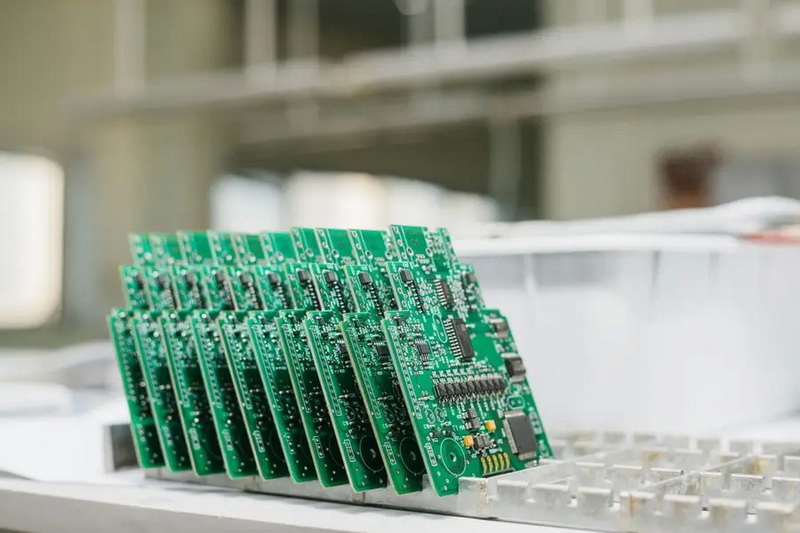
In the realm of surface mount technology (SMT), stencils play a crucial role in ensuring the precise application of solder paste onto printed circuit boards (PCBs). Over the years, the evolution of electronic components has led to the development of mini SMT stencils, which offer several advantages over traditional stencils. This article will delve into the comparison between mini SMT stencils and traditional stencils, highlighting their differences, advantages, and applications, with a focus on China mini SMT stencils.
Introduction to SMT Stencils
SMT stencils are essentially templates used to apply solder paste onto PCBs. They are designed with apertures that correspond to the solder pad locations on the board, allowing for precise solder paste deposition. Traditional stencils were initially made from thicker materials and were often less precise, whereas modern mini SMT stencils are engineered for high accuracy and efficiency.
Traditional Stencils
Traditional stencils were typically larger and thicker, often made from stainless steel or other durable materials. They were suitable for older PCB designs with larger components and less dense layouts. However, as electronic components became smaller and more complex, traditional stencils began to show limitations. They were less effective for fine-pitch components and high-density boards, leading to issues like solder bridging and insufficient solder.
Mini SMT Stencils
Mini SMT stencils are precision-engineered tools designed to address the challenges posed by modern PCB designs. They are made from thin sheets of stainless steel or other materials, with carefully cut apertures that ensure precise solder paste application. These stencils are particularly beneficial for fine-pitch components and high-density boards, offering a level of accuracy and consistency that was previously unattainable.
Comparison of Mini SMT Stencils and Traditional Stencils
Precision and Accuracy
- Mini SMT Stencils: These stencils offer unparalleled precision, making them ideal for fine-pitch components and high-density PCBs. The laser-cut apertures ensure that solder paste is deposited only where needed, in precisely the right amount.
- Traditional Stencils: While effective for older PCB designs, traditional stencils lack the precision required for modern electronics. They are more prone to soldering defects such as bridging and insufficient solder.
Material and Durability
- Mini SMT Stencils: Often made from thin, durable materials like stainless steel, these stencils are designed for high accuracy and efficiency. They are also compatible with advanced nano-coatings that enhance solder paste release and reduce cleaning needs.
- Traditional Stencils: Typically thicker and less flexible, traditional stencils are more susceptible to damage during cleaning or handling.
Application and Versatility
- Mini SMT Stencils: These stencils are versatile and can be used in a wide range of applications, from high-volume production to small-scale prototyping. They are particularly valuable for PCB rework and repair operations.
- Traditional Stencils: While still useful for certain applications, traditional stencils are less versatile and less effective for modern electronics assembly.
Advantages of Mini SMT Stencils
Mini SMT stencils have several advantages that make them preferred over traditional stencils:
1. Precision and Accuracy: They offer precise solder paste application, crucial for fine-pitch components and high-density boards.
2. Efficiency and Cost-Effectiveness: By enabling simultaneous solder paste application to multiple pads, mini SMT stencils reduce production time and costs.
3. Compatibility with Automated Processes: They are highly compatible with automated assembly lines, ensuring consistent results across large batches of PCBs.
4. Versatility: Suitable for a wide range of applications, including PCB rework and repair.
China Mini SMT Stencils
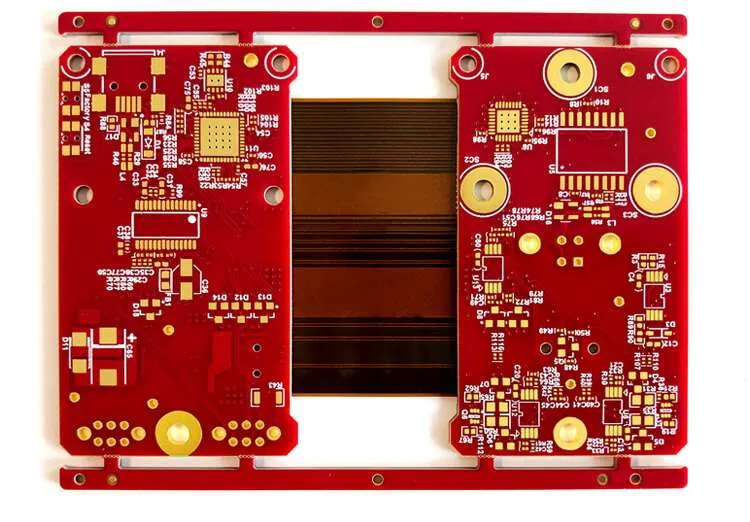
In China, mini SMT stencils are manufactured with high precision and quality, often using advanced materials like stainless steel and copper-nickel alloys. These stencils are designed to meet the stringent requirements of modern electronics manufacturing, including high-density PCBs and fine-pitch components. Chinese manufacturers offer competitive pricing and rapid production capabilities, making them a preferred choice for both domestic and international clients.
Manufacturing Process
The manufacturing process for mini SMT stencils in China involves advanced technologies such as laser cutting and chemical etching. These processes allow for precise aperture formation and smooth surface finishes, which are critical for optimal solder paste release. Additionally, many Chinese manufacturers are adopting automated inspection systems to ensure quality and consistency across all stencils produced.
Market Impact
The impact of China mini SMT stencils on the global electronics market is significant. By providing high-quality stencils at competitive prices, Chinese manufacturers have enabled companies worldwide to improve their PCB assembly processes. This has contributed to the widespread adoption of mini SMT stencils in various industries, from consumer electronics to aerospace and automotive.
Challenges and Future Developments
Despite their advantages, mini SMT stencils face challenges such as the need for specialized equipment for manufacturing and the potential for solder paste blockages. However, ongoing advancements in materials and manufacturing processes are addressing these issues. For instance, additive manufacturing technologies are opening up new possibilities for rapid prototyping and custom designs, particularly for low-volume or specialized applications.
Emerging Technologies
Emerging technologies like 3D printing and nanotechnology are expected to further enhance the capabilities of mini SMT stencils. For example, 3D printing can be used to create complex stencil geometries that improve solder paste flow and reduce waste. Additionally, nanocoatings can enhance the durability and performance of stencils by reducing friction and improving solder paste release.
Sustainability and Environmental Impact
As the electronics industry continues to grow, there is an increasing focus on sustainability and reducing environmental impact. Mini SMT stencils play a role in this effort by enabling more efficient use of solder paste and reducing waste. Furthermore, advancements in materials and manufacturing processes are aimed at minimizing environmental footprint while maintaining high performance standards.
Case Studies and Applications
Mini SMT stencils have been successfully applied in various industries, including consumer electronics, automotive, and aerospace. For instance, in the consumer electronics sector, mini SMT stencils have enabled the production of smaller, more complex devices like smartphones and smartwatches. In the automotive industry, they are used for the assembly of advanced driver-assistance systems (ADAS) and other safety-critical electronics.
Consumer Electronics
In consumer electronics, mini SMT stencils are crucial for the assembly of high-density PCBs found in devices such as smartphones, tablets, and laptops. Their precision ensures reliable connections and minimizes defects, which is essential for maintaining product quality and reliability.
Automotive and Aerospace
In the automotive and aerospace sectors, mini SMT stencils are used for assembling complex electronic systems that require high reliability and precision. These systems include navigation systems, communication devices, and safety-critical components. The use of mini SMT stencils ensures that these systems meet the stringent quality standards required in these industries.
Conclusion
Mini SMT stencils have revolutionized the field of surface mount technology by offering precision, efficiency, and reliability in solder paste application. Compared to traditional stencils, they are better suited for modern PCB designs with fine-pitch components and high-density layouts. As electronics continue to evolve, the role of mini SMT stencils will only grow in importance, with ongoing advancements promising to further enhance their capabilities.
Frequently Asked Questions
1. What are the primary advantages of using mini SMT stencils over traditional stencils?
Mini SMT stencils offer unparalleled precision, efficiency, and compatibility with automated processes, making them ideal for modern electronics assembly. They reduce soldering defects and are highly versatile for various applications.
2. How do China mini SMT stencils compare to those produced in other countries?
China mini SMT stencils are known for their high precision and quality, often made from advanced materials. They offer competitive pricing and rapid production capabilities, making them a preferred choice globally.
3. What materials are commonly used for mini SMT stencils?
Mini SMT stencils are typically made from thin sheets of stainless steel or other durable materials. In China, materials like copper-nickel alloys are also used for enhanced performance.
4. Can mini SMT stencils be used for PCB rework and repair operations?
Yes, mini SMT stencils are highly valuable for PCB rework and repair. They enable precise reapplication of solder paste during component replacement or touch-up work, ensuring reliable connections.
5. What future developments are expected in the field of mini SMT stencils?
Future developments include the use of advanced nano-coatings to enhance solder paste release and reduce cleaning needs. Additive manufacturing technologies are also expected to play a significant role in rapid prototyping and custom designs.


