Content Menu
● Understanding SMD Soldering and Its Challenges
● Types of SMD Soldering Machines
>> Hand Soldering Stations
>> Reflow Ovens
>> Wave Soldering Machines
>> Selective Soldering Systems
>> Soldering Robots
● How the Right SMD Soldering Machine Improves Your Skills
>> Precision and Consistency
>> Efficiency and Productivity
>> Learning and Skill Development
>> Reduced Errors and Rework
>> Enhanced Inspection Capabilities
● Key Features to Look for in an SMD Soldering Machine
● Deep Dive into SMD Soldering Machine Quotes - Getting the Best Value
>> 1. The Brand and Reputation
>> 2. Customization and Add-ons
>> 3. Training and Installation
>> 4. Software and Integration
>> 5. Long-term Costs
>> 6. Evaluate Multiple Quotes
● Practical Tips to Improve Your SMD Soldering Skills Using the Right Machine
>> Prepare Your Workspace and Tools
>> Master Temperature Settings
>> Practice Component Placement
>> Use Solder Paste and Stencils for Reflow
>> Inspect and Rework
>> Continuous Learning
● Understanding SMD Soldering Machine Quotes
● Conclusion
● FAQ
>> 1. What is the best type of SMD soldering machine for beginners?
>> 2. How does temperature control affect SMD soldering quality?
>> 3. Can I use a manual soldering iron for SMD soldering?
>> 4. What role does solder paste play in SMD soldering?
>> 5. How do I maintain my SMD soldering machine?
Surface Mount Device (SMD) soldering is a critical skill in modern electronics manufacturing and repair. The precision and miniaturization of components require not only steady hands and good technique but also the right equipment to achieve consistent, high-quality solder joints. Among the tools available, the right SMD soldering machine can dramatically improve your soldering skills, productivity, and the reliability of your electronic assemblies. This comprehensive guide explores how selecting and using the right SMD soldering machine can elevate your soldering capabilities, what features to look for, and practical tips to master the craft.
Understanding SMD Soldering and Its Challenges
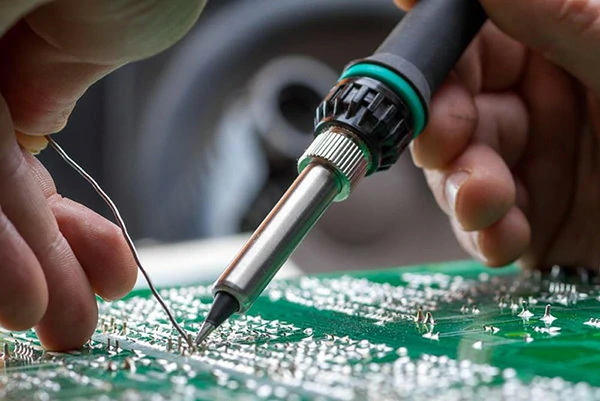
SMD soldering involves attaching tiny electronic components directly onto the surface of printed circuit boards (PCBs). These components are often smaller and more delicate than traditional through-hole parts, making manual soldering challenging. The key difficulties include:
- Precision placement: Components must be positioned exactly on their pads.
- Temperature control: Excessive heat can damage components; insufficient heat leads to cold joints.
- Consistent solder flow: Ensuring solder paste melts and bonds uniformly.
- Inspection: Verifying solder joints without bridging or voids.
Manual soldering with a basic iron is possible but often results in inconsistent quality and slower throughput. This is where the right SMD soldering machine becomes invaluable.
Types of SMD Soldering Machines
SMD soldering machines range from semi-automatic hand soldering stations to fully automated systems designed for mass production. Choosing the right type depends on your skill level, production volume, and application.
Hand Soldering Stations
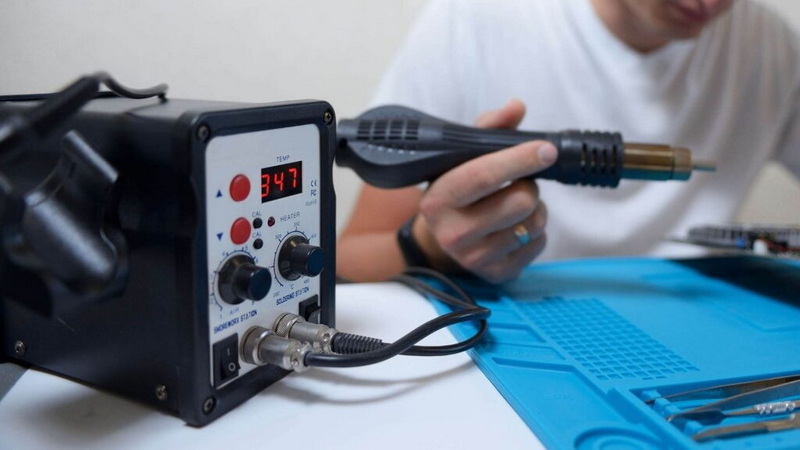
These stations include a temperature-controlled soldering iron, often with digital displays, and sometimes hot air rework tools. They are ideal for prototyping, repairs, and small batch work.
- Benefits: Versatility, control, and affordability.
- Limitations: Requires skill and steady hands; slower than automated systems.
Reflow Ovens
Reflow ovens use controlled heating zones to melt solder paste applied to PCBs after components are placed. They are common in small to medium batch production.
- Benefits: Uniform heating, consistent solder joints, and suitable for complex boards.
- Limitations: Requires precise solder paste application and component placement.
Wave Soldering Machines
These machines generate a wave of molten solder that contacts the PCB underside, soldering exposed leads and pads.
- Benefits: High throughput for through-hole and some surface mount components.
- Limitations: Less common for fine-pitch SMDs; mainly for larger volume production.
Selective Soldering Systems
Selective soldering machines target specific areas or components on a PCB, useful for complex assemblies or sensitive parts.
- Benefits: Precision and minimal thermal stress.
- Limitations: Higher cost and complexity.
Soldering Robots
Fully automated robots combine precise motion control and heat delivery to solder components on large production lines, often integrating vision systems for inspection.
- Benefits: High precision, speed, and repeatability.
- Limitations: High initial investment and maintenance.
How the Right SMD Soldering Machine Improves Your Skills
Precision and Consistency
The right machine offers precise temperature control and stable heat delivery, which are crucial for preventing damage to components and ensuring proper solder flow. Machines with digital temperature settings allow you to set and maintain the ideal temperature for different SMD packages, improving solder joint quality. Temperature stability is particularly important when working with sensitive components that have narrow thermal tolerance ranges. For instance, some ICs can be irreparably damaged by even a few degrees of overheating.
Efficiency and Productivity
Automated or semi-automated machines reduce manual handling and repetitive motions, allowing you to focus on component placement and inspection. This leads to faster turnaround times and less fatigue, which is essential for maintaining steady hands and concentration. In high-volume production environments, even a slight increase in soldering speed can lead to significant gains in overall efficiency. The reduction in manual effort also minimizes the risk of human error, contributing to higher quality output.
Learning and Skill Development
Using a quality SMD soldering machine helps beginners and professionals alike develop a better understanding of soldering parameters such as temperature profiles, solder paste behavior, and component handling. Many machines include features like hot air rework stations, which facilitate learning advanced techniques such as reflow soldering and desoldering. These stations provide a practical environment for understanding thermal dynamics and material properties, which are essential for mastering SMD soldering.
Reduced Errors and Rework
Consistent heating and solder application reduce the likelihood of common defects like cold joints, solder bridges, and tombstoning. This leads to higher first-pass yields and less time spent on rework, allowing you to build confidence and refine your skills. By minimizing the need for rework, you not only save time but also reduce the risk of damaging components during the repair process. This is particularly important when working with expensive or difficult-to-replace parts.
Enhanced Inspection Capabilities
Some advanced machines integrate vision systems that inspect solder joints automatically, providing immediate feedback. This helps you identify and correct errors early, accelerating the learning curve and improving overall assembly quality. The ability to detect defects in real-time allows for immediate adjustments to soldering parameters, further enhancing the consistency and reliability of the soldering process. These inspection capabilities also provide valuable data for process optimization and quality control.
Key Features to Look for in an SMD Soldering Machine
When selecting an SMD soldering machine, consider these critical features to maximize your skill improvement and production efficiency:
- Temperature Control: Precise and stable temperature settings with digital readouts. Look for machines with PID (Proportional-Integral-Derivative) controllers for accurate temperature management.
- Wattage: Adequate power to heat quickly without overheating components. Higher wattage is beneficial for soldering large components or boards with high thermal mass.
- Ergonomics: Comfortable soldering iron design for long sessions. Features like adjustable handles, lightweight construction, and optimal tip angles can reduce strain and improve control.
- Hot Air Rework Capability: For component removal and reflow soldering. Ensure the hot air nozzle is adjustable and provides consistent airflow for effective rework.
- Automation Level: From manual to fully automated depending on your needs. Consider the level of automation that aligns with your production volume and budget.
- Vision Inspection: Cameras or sensors for quality control. Look for systems with high resolution and advanced image processing capabilities for accurate defect detection.
- Compatibility: Support for various SMD package sizes and types. The machine should be compatible with the range of components you intend to solder.
- After-Sales Support: Technical assistance, maintenance, and spare parts availability. Reliable support ensures minimal downtime and maximizes the lifespan of your machine.
Deep Dive into SMD Soldering Machine Quotes - Getting the Best Value
Obtaining SMD soldering machine quotes can be a daunting task, especially with the multitude of options available. Understanding the key elements of these quotes and knowing what to look for can help you make a sound investment decision. Here's a deeper look into factors influencing SMD soldering machine quotes:
1. The Brand and Reputation
Established brands often come with higher prices due to their reputation for quality, reliability, and customer support. While lesser-known brands may offer more competitive prices, it's crucial to do thorough research and read reviews to assess their quality and reliability.
2. Customization and Add-ons
Many suppliers offer customization options, such as specialized nozzles for hot air rework stations, automated feeders for component placement, or custom software for process control. These add-ons can significantly increase the price but may be necessary to meet specific production requirements.
3. Training and Installation
Some quotes may include training and installation services, which can be beneficial if you're new to SMD soldering machines or working with complex equipment. However, these services often come at an additional cost, so it's essential to weigh the benefits against the price.
4. Software and Integration
Advanced SMD soldering machines often come with proprietary software that allows for process monitoring, data logging, and integration with other manufacturing systems. Consider whether the software is user-friendly and compatible with your existing infrastructure.
5. Long-term Costs
In addition to the initial purchase price, factor in long-term costs such as maintenance, repairs, spare parts, and consumables (e.g., solder paste, flux). Request detailed information about these costs from potential suppliers.
6. Evaluate Multiple Quotes
Always get multiple quotes from different suppliers to compare prices, features, and services. Don't hesitate to negotiate prices and ask for discounts, especially if you're purchasing multiple machines or committing to a long-term partnership.
Practical Tips to Improve Your SMD Soldering Skills Using the Right Machine
Prepare Your Workspace and Tools
- Keep your PCB clean and free of contaminants. Use isopropyl alcohol to remove dirt and grease.
- Use flux to improve solder flow and joint quality. Apply sparingly and choose the right type of flux for your solder and components.
- Maintain your soldering iron tip by regular cleaning and tinning. Use a brass sponge or tip cleaner to remove oxidation and keep the tip in good condition.
Master Temperature Settings
- Start with recommended temperatures for your solder paste and components. Consult datasheets for specific recommendations.
- Adjust based on results; too hot can damage parts, too cold causes poor joints. Use a temperature probe to verify the accuracy of your soldering iron.
Practice Component Placement
- Use tweezers and steady hands to position components precisely. Invest in quality tweezers with fine tips for accurate placement.
- For manual stations, tack one pad first to hold the component, then solder the rest. Apply a small amount of solder to one pad to secure the component before soldering the remaining pads.
Use Solder Paste and Stencils for Reflow
- Apply solder paste evenly with a stencil for uniform solder joints. Use a stencil that matches the pad layout on your PCB.
- Place components carefully before reflowing in the oven or hot air station. Ensure all components are correctly oriented and aligned with their pads.
Inspect and Rework
- Use magnification tools to check solder joints. Use a microscope or magnifying glass to inspect for defects such as cold joints, solder bridges, and voids.
- Reheat or add solder where necessary, avoiding overheating. Use a hot air rework station or soldering iron to correct any defects, being careful not to damage the components or PCB.
Continuous Learning
- Experiment with different soldering profiles. Try different temperature profiles and heating rates to find the optimal settings for your specific components and solder paste.
- Watch tutorials and learn from experienced technicians. Online resources, such as video tutorials and forums, can provide valuable insights and tips for improving your soldering skills.
- Keep practicing on scrap boards before working on critical projects. Use practice boards to hone your skills and experiment with different techniques before working on valuable projects.
Understanding SMD Soldering Machine Quotes
When shopping for an SMD soldering machine, you will encounter various quotes from suppliers. These quotes typically include:
- Machine Type and Model: Specifies the kind of machine (e.g., reflow oven, soldering robot).
- Technical Specifications: Temperature range, wattage, automation features.
- Price: Cost of the machine, sometimes including installation and training.
- Warranty and Support: Duration and scope of after-sales service.
- Customization Options: Ability to tailor the machine to specific production needs.
Requesting multiple quotes allows you to compare features, prices, and services to select the best machine that fits your skill level and production requirements.
Conclusion
Improving your soldering skills with the right SMD soldering machine is a strategic investment in quality, efficiency, and professional growth. Whether you are a hobbyist, technician, or manufacturer, the right machine provides the precision, control, and consistency necessary for mastering the delicate art of SMD soldering. By understanding the types of machines available, their features, and how to use them effectively, you can significantly enhance your soldering outcomes, reduce errors, and increase productivity. Always consider your specific needs, practice diligently, and leverage the technology of modern SMD soldering machines to elevate your craft.
FAQ
1. What is the best type of SMD soldering machine for beginners?
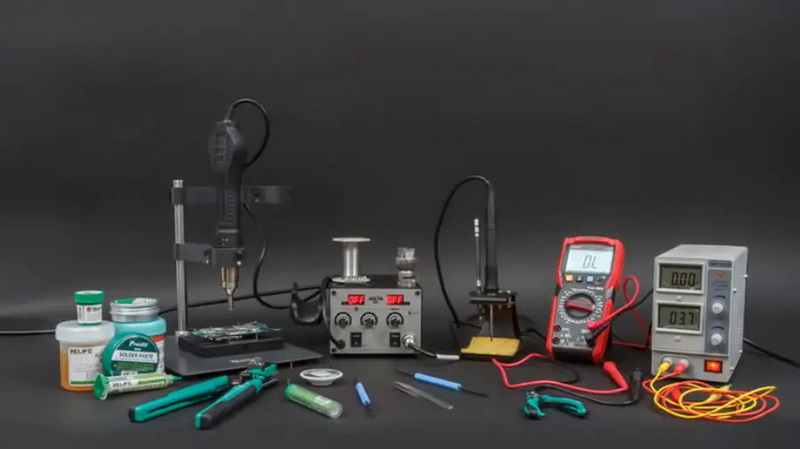
For beginners, a temperature-controlled hand soldering station with a digital display and hot air rework capability is ideal. It offers control and versatility without overwhelming complexity.
2. How does temperature control affect SMD soldering quality?
Precise temperature control ensures solder melts correctly without damaging components. Incorrect temperatures can cause cold joints or component failure.
3. Can I use a manual soldering iron for SMD soldering?
Yes, but it requires steady hands, good technique, and patience. Using a temperature-controlled soldering station improves results significantly.
4. What role does solder paste play in SMD soldering?
Solder paste contains solder particles and flux, applied to PCB pads before component placement. It melts during reflow to form strong, conductive joints.
5. How do I maintain my SMD soldering machine?
Regularly clean and tin soldering tips, calibrate temperature settings, and follow manufacturer maintenance guidelines to ensure consistent performance.


