Content Menu
● What are Universal SMT Feeders?
>> The Importance of Universal SMT Feeders
● Types of Universal SMT Feeders
>> Tape Feeders
>> Tray Feeders
>> Stick Feeders
>> Bulk Feeders
● Key Features of Universal SMT Feeders
● Selecting the Right Universal SMT Feeder
>> Component Size and Packaging
>> Machine Compatibility
>> Production Needs
● Maintenance and Troubleshooting
>> Regular Cleaning
>> Inspection
>> Adjustment
>> Troubleshooting Common Issues
● Leading SMT Feeders Universal Manufacturer and Suppliers
● The Future of Universal SMT Feeders
● Conclusion
● Frequently Asked Questions (FAQ)
>> Q1: What are universal SMT feeders?
>> Q2: What are the main types of universal SMT feeders?
>> Q3: What factors should I consider when selecting a universal SMT feeder?
>> Q4: How do I maintain universal SMT feeders?
>> Q5: What are the benefits of using universal SMT feeders?
Universal SMT feeders are designed to work across different brands and models of SMT placement machines[5]. Unlike feeders designed for a specific machine, universal feeders offer greater flexibility and can be easily moved between production lines or machines as needed[5]. This versatility is particularly valuable in high-mix, low-volume production environments or for companies using equipment from multiple SMT feeders manufacturer[6]. They are responsible for holding and supplying small electronic components for placement on the printed circuit board (PCB)[3]. The function of the feeder is to ensure that the placement machine can rapidly and accurately place components on the board, thus optimizing the manufacturing process[3].
The Importance of Universal SMT Feeders
* Flexibility: Universal feeders can be used on different SMT machines, increasing the flexibility of your production line[5].
* Cost-Effectiveness: Reduce the need to invest in machine-specific feeders for each placement machine[5].
* Scalability: Easily move feeders between machines as production needs change[6].
* Versatility: Capable of handling a diverse array of components, from tiny resistors to large integrated circuits[5].
* Accept all material packaging methods: SMT Machines can accept all material packaging methods, such as tape packaging, tube packaging, box packaging and pallet packaging[9].
Types of Universal SMT Feeders
Universal SMT feeders are available in various types to accommodate different component packaging methods[9].
Tape Feeders
Tape feeders are the most common type, designed for components supplied on tape and reel[1].
* Standard Tape Feeders: Accommodate common tape widths such as 8mm, 12mm, 16mm, and 24mm[1].
* Electric Tape Feeders: High-precision electric type feeders offer higher transmission accuracy, faster feeding speed, more compact structure, and more stable performance[1][2].
* Mechanical Tape Feeders: Also called pneumatic feeders[1].
Tray Feeders
Tray feeders are designed to handle components supplied in trays, often used for larger components such as ICs[1].
* Single-Layer Tray Feeders: Directly installed on the feeder frame of the mounting machine[1].
* Multi-Layer Tray Feeders: Feature a multi-layer automatic transfer tray, which occupies small space and has a compact structure[1][7].
Stick Feeders
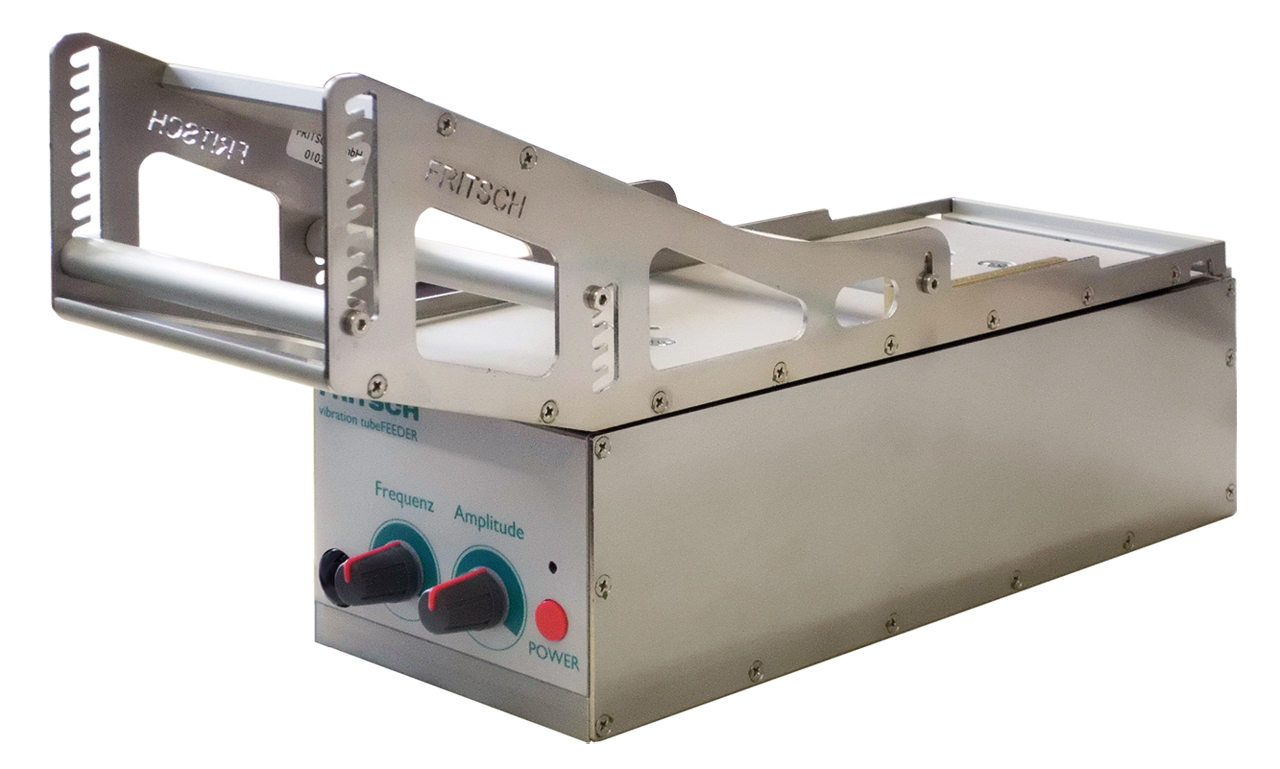
Stick feeders are used for components supplied in tubes or sticks[1]. The tube feeder usually uses a vibrating feeder to ensure that the components in the tube continuously enter the tip suction position[1].
Bulk Feeders
Bulk box feeders put components freely into formed plastic boxes or bags and use a vibrating feeder or feeding tube to feed the components[1][7].
Key Features of Universal SMT Feeders
* Versatility: Capable of placing a diverse array of components, from tiny resistors to large integrated circuits[5].
* Precision: High accuracy in component placement, which is critical for the functionality of the final product[5].
* Speed: Fast operation to keep up with the high demands of modern manufacturing processes[5].
* Flexibility: Easily adjustable settings to accommodate different types of PCBs and components[5].
* Easy Barcode Reading: Simplifies component tracking[2].
* Compact Design: Contributes to efficient use of machine space[2].
Selecting the Right Universal SMT Feeder
Choosing the right universal SMT feeder depends on several factors:
Component Size and Packaging
* Tape Width: Ensure the feeder matches the tape width of the components[1].
* Component Type: Consider the type of components being used (e.g., standard chip components, ICs, connectors)[5].
* Packaging Method: Determine whether components are supplied on tape, in trays, or in sticks[1].
Machine Compatibility
* SMT Placement Machine: Ensure that the feeder is compatible with the SMT placement machines being used[5].
* Interface: Check that the feeder has the correct interface for communication and control[5].
Production Needs
* High-Speed Feeders: Opt for high-speed tape feeders if you need to maximize throughput for high-volume production[1].
* Flexibility: Choose feeders that can handle a variety of component types for flexible production environments[5].
Maintenance and Troubleshooting
Proper maintenance is crucial for ensuring the reliable operation of universal SMT feeders.
Regular Cleaning
* Dust and Debris: Clean feeders regularly to remove dust, debris, and adhesive residue[1].
* Cleaning Solutions: Use approved cleaning solutions that won't damage feeder components[1].
Inspection
* Worn Parts: Inspect feeders for worn or damaged parts, such as springs, gears, and sensors[1].
* Replacement: Replace worn parts promptly to prevent feeder malfunctions[1].
Adjustment
* Proper Adjustment: Adjust the feeder settings to ensure optimal component presentation[1].
* Calibration: Calibrate the feeder to maintain accurate component positioning[1].
Troubleshooting Common Issues
* Feeder Jams: Clear any jammed components or tape[1].
* Skipped Components: Check tape tension and feeder alignment[1].
* Misfeeds: Inspect feeder mechanisms for wear or damage[1].
Leading SMT Feeders Universal Manufacturer and Suppliers
* Universal Instruments: A global leader in the design and manufacture of advanced automation and assembly equipment solutions[6].
* Shenzhen TY Electronic Technology Co., Ltd: Produces top-quality Juki feeders designed with precision and built for accurate and efficient component placements.
* Dobeter Electronics: Develops electric SMT feeders for Yamaha.
* SMT Xtra: A large European supplier of SMT feeders[4].
The Future of Universal SMT Feeders
The future of universal SMT feeders is likely to be influenced by trends towards greater automation, flexibility, and data integration.
* Smart Feeders: Integration of sensors and data analytics to optimize feeder performance and predict maintenance needs[1].
* Flexible Feeders: Development of feeders that can handle a wider range of component sizes and packaging types[1].
* Wireless Communication: Use of wireless technology to enable remote monitoring and control of feeders[1].
Conclusion
Universal SMT Feeders are valuable assets for electronics manufacturers seeking to optimize their SMT assembly lines. Offering flexibility, cost-effectiveness, and scalability, these feeders enable companies to handle diverse production needs efficiently. By choosing the right feeders and partnering with reputable SMT feeders universal manufacturer, companies can ensure that their SMT lines operate at peak performance and deliver high-quality electronic products[3].
Frequently Asked Questions (FAQ)
Q1: What are universal SMT feeders?
Universal SMT feeders are designed to be compatible with various SMT placement machines, providing flexibility and cost savings[5].
Q2: What are the main types of universal SMT feeders?
The main types include tape feeders, tray feeders, stick feeders, and bulk feeders[1].
Q3: What factors should I consider when selecting a universal SMT feeder?
Consider component size and packaging, machine compatibility, and production needs when selecting a universal SMT feeder[5].
Q4: How do I maintain universal SMT feeders?
Regular cleaning, inspection for worn parts, and proper adjustment and calibration are essential for maintenance[1].
Q5: What are the benefits of using universal SMT feeders?
The benefits include increased flexibility, cost-effectiveness, scalability, and the ability to handle a wide range of components[5].


