Content Menu
● Understanding the SMD Glue Dispensing Machine
● Types of Adhesives Used in SMT and Their Compatibility with SMD Glue Dispensing Machines
>> 1. Epoxy Adhesives
>> 2. Silicone Adhesives
>> 3. Acrylic Adhesives
>> 4. UV-Curing Adhesives
>> 5. Conductive Adhesives
>> 6. Anaerobic Adhesives
>> 7. Underfill Adhesives
● How SMD Glue Dispensing Machines Handle Different Adhesive Types
>> Dispensing Technology and Valve Selection
>> Material Handling and Preparation
>> Machine Configuration and Flexibility
● Benefits of Using an SMD Glue Dispensing Machine for Multiple Adhesives
● Operational Tips for Dispensing Different Adhesives with an SMD Glue Dispensing Machine
>> Select Appropriate Needle Size and Type
>> Adjust Dispensing Time and Pressure
>> Set Correct Dispensing Height
>> Regular Maintenance
>> Training Operators
>> Environmental Control
>> Use of Vision Systems
● Challenges and Solutions When Dispensing Multiple Adhesives
● Future Trends in SMD Glue Dispensing Machines
● Conclusion
● FAQ
>> 1. What types of adhesives can an SMD glue dispensing machine handle?
>> 2. How does the machine adapt to different adhesive viscosities?
>> 3. Can one machine dispense multiple adhesives in the same production line?
>> 4. What maintenance is required when switching adhesives?
>> 5. How does dispensing height affect glue application?
In the fast-evolving electronics manufacturing industry, precision and efficiency are paramount. Surface Mount Technology (SMT) assembly relies heavily on adhesive application to ensure mechanical stability and reliability of components on printed circuit boards (PCBs). The SMD glue dispensing machine has become an indispensable tool in this process, automating the application of adhesives with high accuracy and repeatability. A common question arises: Can an SMD glue dispensing machine handle different types of adhesives? This article explores this question in depth, discussing the versatility of these machines, the types of adhesives they can dispense, operational considerations, and best practices for optimizing performance.
Understanding the SMD Glue Dispensing Machine
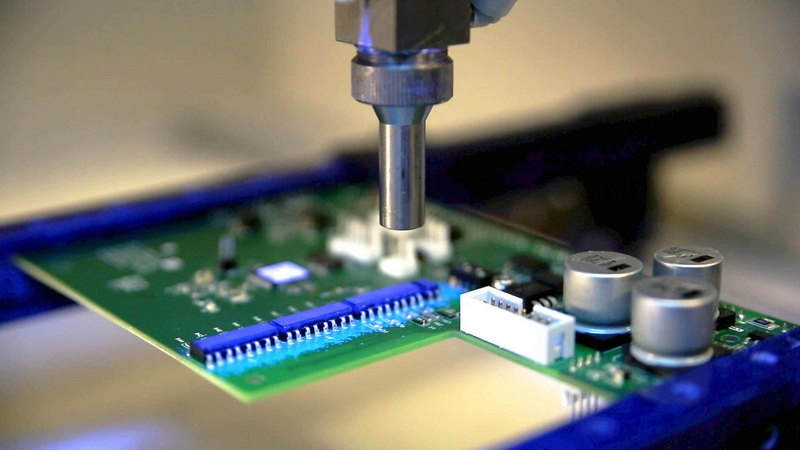
An SMD glue dispensing machine is a specialized automated system designed to apply adhesives precisely onto SMT components and PCBs. These machines use various dispensing technologies such as time-pressure valves, precision valves, jet dispensing, auger valves, and screw valves to handle different adhesive viscosities and application requirements. The goal is to deliver consistent glue dots or patterns that secure components during subsequent assembly steps like soldering or reflow.
Modern SMD glue dispensing machines often feature:
- Robust mechanical structures (e.g., aluminum casted bodies) for stability and precision.
- Multiple dispensing heads or pumps to handle different adhesives simultaneously.
- User-friendly interfaces for programming complex dispensing patterns.
- Compatibility with various adhesive container formats (syringes, cartridges, bulk containers).
These features enable the machines to adapt to a wide range of production needs and adhesive types.
Types of Adhesives Used in SMT and Their Compatibility with SMD Glue Dispensing Machines
SMD glue dispensing machines are designed to handle a variety of adhesives commonly used in electronics assembly. The key adhesive types include:
1. Epoxy Adhesives
Epoxies are widely used for their excellent mechanical strength and chemical resistance. They often come as two-part systems requiring mixing before dispensing. SMD glue dispensing machines equipped with dual-chamber syringes and static mixers can precisely mix and dispense epoxy adhesives, ensuring consistent bonding quality. Epoxy adhesives vary in viscosity and curing time, so the machine's dispensing parameters must be carefully adjusted to accommodate these differences.
2. Silicone Adhesives
Silicone adhesives provide flexibility and thermal stability, making them suitable for applications requiring vibration damping or heat resistance. Due to their high viscosity, screw valve dispensing systems are preferred to maintain flow consistency. Preheating silicone adhesives to around 40°C can further improve dispensing stability. Additionally, silicone adhesives often require slower dispensing speeds to avoid air entrapment and ensure uniform application.
3. Acrylic Adhesives
Acrylics cure quickly and offer good adhesion to various substrates. They are often used in bonding lightweight components. SMD glue dispensing machines can handle acrylic adhesives using time-pressure or precision valves depending on viscosity and dot size requirements. Acrylic adhesives typically have lower viscosity than silicones, allowing for faster dispensing cycles.
4. UV-Curing Adhesives
These adhesives cure rapidly under ultraviolet light, enabling fast production cycles. UV-curable adhesives are compatible with SMD glue dispensing machines that can integrate UV curing stations or synchronize dispensing with curing processes. This integration allows immediate curing after dispensing, reducing cycle times and improving throughput.
5. Conductive Adhesives
Used in applications requiring electrical conductivity, such as EMI shielding or circuit repairs, conductive adhesives often contain metal fillers like silver or carbon. Auger valve dispensing systems are ideal for these pastes to prevent clogging and maintain uniform flow. Because conductive adhesives can be abrasive, the dispensing system must be robust and regularly maintained to avoid wear.
6. Anaerobic Adhesives
These adhesives cure in the absence of oxygen and are used for threadlocking or bearing retention. Handling anaerobic adhesives requires careful storage and dispensing to avoid premature curing. SMD glue dispensing machines can accommodate these adhesives with appropriate system configurations, including inert gas purging and controlled environments.
7. Underfill Adhesives
Underfill adhesives protect sensitive components like Ball Grid Arrays (BGAs) by filling gaps between the chip and PCB. Precise dispensing is critical, and jet dispensing technology is often employed for high-speed, accurate application. Underfill adhesives typically have moderate viscosity and require precise volume control to avoid voids and ensure mechanical protection.
How SMD Glue Dispensing Machines Handle Different Adhesive Types
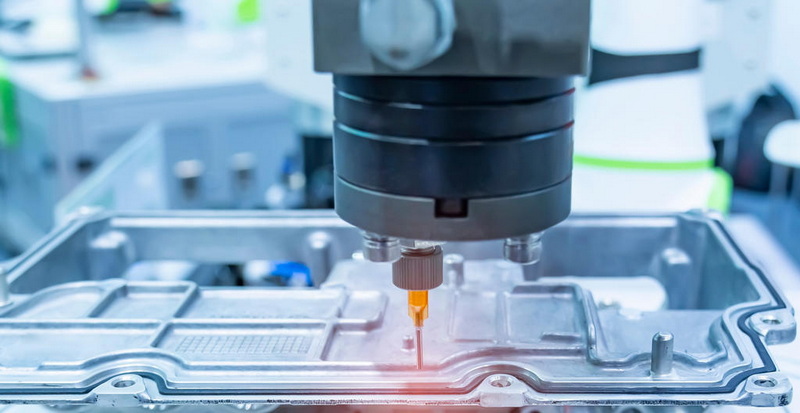
The ability of an SMD glue dispensing machine to handle different adhesives depends on several factors:
Dispensing Technology and Valve Selection
- Time-Pressure Valves: Suitable for low to medium viscosity adhesives like acrylics and some epoxies, providing consistent glue dots. These valves operate by applying controlled air pressure to push adhesive through the needle, allowing for simple and cost-effective dispensing.
- Precision Dispenser Valves: Ideal for applications requiring multiple media dispensing or very fine control over volume. These valves can handle complex dispensing patterns and are often used in high-precision electronics assembly.
- Jet Dispensing Valves: Enable high-speed application of very small droplets, perfect for underfill and small SMT adhesives. Jet dispensing is non-contact, reducing the risk of damaging sensitive components.
- Auger Valves: Designed for high-viscosity adhesives with fillers, such as conductive epoxies, ensuring smooth flow without clogging. The auger screw continuously moves adhesive forward, preventing settling and blockage.
- Screw Valves: Handle extremely high-viscosity materials like silicones and lubricants, often with preheating to maintain flow. Screw valves provide precise volumetric control and are well-suited for thick adhesives.
Material Handling and Preparation
- Adhesive viscosity, curing time, and filler content influence dispensing parameters.
- Preheating adhesives (e.g., silicones) can improve flow and consistency.
- Stirring or mixing adhesives before dispensing prevents filler settling and clogging.
- Proper storage and handling prevent premature curing or degradation of sensitive adhesives like anaerobic types.
- Using degassed adhesives reduces bubbles and improves bond quality.
Machine Configuration and Flexibility
- Machines with modular mounting systems allow quick changeover between different adhesive dispensing units or syringes.
- Multi-pump systems enable simultaneous dispensing of different adhesives in complex assembly processes.
- Programmable dispensing parameters (needle size, dispensing time, height) optimize glue volume and placement for each adhesive type.
- Integration with vision systems helps verify glue placement and volume, ensuring quality control.
Benefits of Using an SMD Glue Dispensing Machine for Multiple Adhesives
Using an SMD glue dispensing machine capable of handling various adhesives offers several advantages:
- Enhanced Product Quality: Uniform adhesive application ensures strong, reliable bonds and reduces defects such as component shifting or solder joint failures.
- Increased Productivity: Automated dispensing accelerates production cycles and reduces manual labor, enabling higher throughput.
- Waste Reduction: Precise control minimizes adhesive overuse and material waste, lowering production costs.
- Versatility: Ability to switch between adhesives allows manufacturers to produce diverse products without investing in multiple machines.
- Process Integration: Some machines combine glue dispensing with pick-and-place functions, streamlining SMT assembly further.
- Repeatability and Consistency: Automation ensures every component receives the exact amount of adhesive, improving overall product reliability.
Operational Tips for Dispensing Different Adhesives with an SMD Glue Dispensing Machine
To maximize performance and reliability when handling diverse adhesives, consider the following:
Select Appropriate Needle Size and Type
Match needle inner diameter and length to adhesive viscosity and dot size requirements. Larger needles suit high-viscosity adhesives, while smaller needles provide finer dots for low-viscosity materials.
Adjust Dispensing Time and Pressure
Calibrate dispensing duration and pressure based on adhesive flow characteristics and environmental conditions such as temperature and humidity. For example, higher temperatures reduce viscosity, requiring adjustments to pressure or dispensing time.
Set Correct Dispensing Height
Maintain optimal distance between needle tip and substrate to avoid glue stringing or uneven dots. Too high a gap causes stringing and splattering; too low risks needle clogging and substrate damage.
Regular Maintenance
Clean dispensing units frequently to prevent clogging, especially when switching between adhesives. Use appropriate solvents or cleaning agents compatible with the adhesive type.
Training Operators
Ensure personnel understand adhesive properties and machine settings for each type to avoid errors. Proper training reduces downtime and improves product quality.
Environmental Control
Maintain stable temperature and humidity in the production area to ensure consistent adhesive viscosity and curing behavior.
Use of Vision Systems
Incorporate camera-based inspection to verify glue placement and volume in real-time, enabling immediate correction of dispensing errors.
Challenges and Solutions When Dispensing Multiple Adhesives
While SMD glue dispensing machines offer great flexibility, handling multiple adhesives presents challenges:
- Cross-Contamination: Switching adhesives without thorough cleaning can cause contamination, affecting bond quality. Solution: Implement cleaning protocols and use dedicated dispensing heads when possible.
- Adhesive Compatibility: Different adhesives may require distinct curing conditions or storage environments. Solution: Plan production sequences to minimize switching and ensure proper storage.
- Viscosity Variations: Significant differences in viscosity demand valve and needle changes. Solution: Use modular systems with quick-change components.
- Curing Time Differences: Some adhesives cure rapidly, others slowly, affecting production flow. Solution: Synchronize dispensing with curing equipment or allow for appropriate curing times in process planning.
Future Trends in SMD Glue Dispensing Machines
The electronics industry continues to demand higher precision and flexibility. Future developments in SMD glue dispensing machines include:
- Smart Dispensing Systems: Integration of AI and machine learning to optimize dispensing parameters automatically based on real-time feedback.
- Multi-Material Dispensing: Machines capable of dispensing adhesives alongside other materials like solder paste or encapsulants in one system.
- Enhanced Vision and Inspection: Advanced cameras and sensors for improved quality control and defect detection.
- Improved User Interfaces: Touchscreen controls and remote monitoring for easier operation and maintenance.
- Sustainable Adhesive Handling: Systems designed to minimize waste and support eco-friendly adhesives.
Conclusion
An SMD glue dispensing machine is indeed capable of handling a wide variety of adhesive types, including epoxies, silicones, acrylics, UV-curing adhesives, conductive adhesives, anaerobic adhesives, and underfill materials. The key to successful multi-adhesive dispensing lies in selecting the appropriate dispensing technology (valve type), preparing adhesives properly, and configuring machine parameters to suit each adhesive's unique properties. With these considerations, manufacturers can leverage the versatility of SMD glue dispensing machines to enhance product quality, reduce waste, and increase production efficiency across diverse SMT applications. As technology advances, these machines will become even more adaptable and intelligent, further supporting the complex demands of modern electronics manufacturing.
FAQ
1. What types of adhesives can an SMD glue dispensing machine handle?
An SMD glue dispensing machine can handle epoxies, silicones, acrylics, UV-curing adhesives, conductive adhesives, anaerobic adhesives, and underfill materials, among others.
2. How does the machine adapt to different adhesive viscosities?
It uses different dispensing valves such as time-pressure, precision, jet, auger, and screw valves tailored to the adhesive's viscosity and filler content.
3. Can one machine dispense multiple adhesives in the same production line?
Yes, machines with multi-pump systems and modular mounting can dispense different adhesives simultaneously or switch quickly between them.
4. What maintenance is required when switching adhesives?
Regular cleaning of dispensing needles and valves is essential to prevent clogging and contamination. Calibration of dispensing parameters is also necessary.
5. How does dispensing height affect glue application?
Proper dispensing height ensures accurate glue placement and volume. Too high causes glue stringing; too low risks needle clogging and uneven application.


