Content Menu
● What are Fuji SMT Feeders?
>> The Significance of Feeders in SMT
● Types of Fuji SMT Feeders
>> Tape Feeders
>> Stick Feeders
>> Tray Feeders
● Key Features of Fuji SMT Feeders
● How to Select the Right Fuji SMT Feeder
>> Component Size and Packaging
>> Production Volume and Speed
>> Machine Compatibility
>> Budget
● Maintenance and Troubleshooting
>> Regular Cleaning
>> Lubrication
>> Inspection
>> Calibration
>> Troubleshooting Common Issues
● Leading Fuji SMT Feeders Manufacturers and Suppliers
● The Future of Fuji SMT Feeders
● Conclusion
● Frequently Asked Questions (FAQ)
>> Q1: What are Fuji SMT Feeders used for?
>> Q2: What types of components can Fuji SMT Feeders handle?
>> Q3: How do I troubleshoot abnormal feeding issues with Fuji SMT Feeders?
>> Q4: What should I consider when maintaining Fuji SMT Feeders?
>> Q5: What are some key features of the Fuji NXT series feeders?
Fuji SMT Feeders are precision-engineered devices that supply electronic components to SMT placement machines. These feeders hold components, which are typically packaged on tape and reel, and advance them to a designated pickup point where the placement head can reliably grab and position them onto the printed circuit board (PCB)[4]. Fuji feeders are known for their accuracy, speed, and compatibility with a wide range of component sizes and types[4].
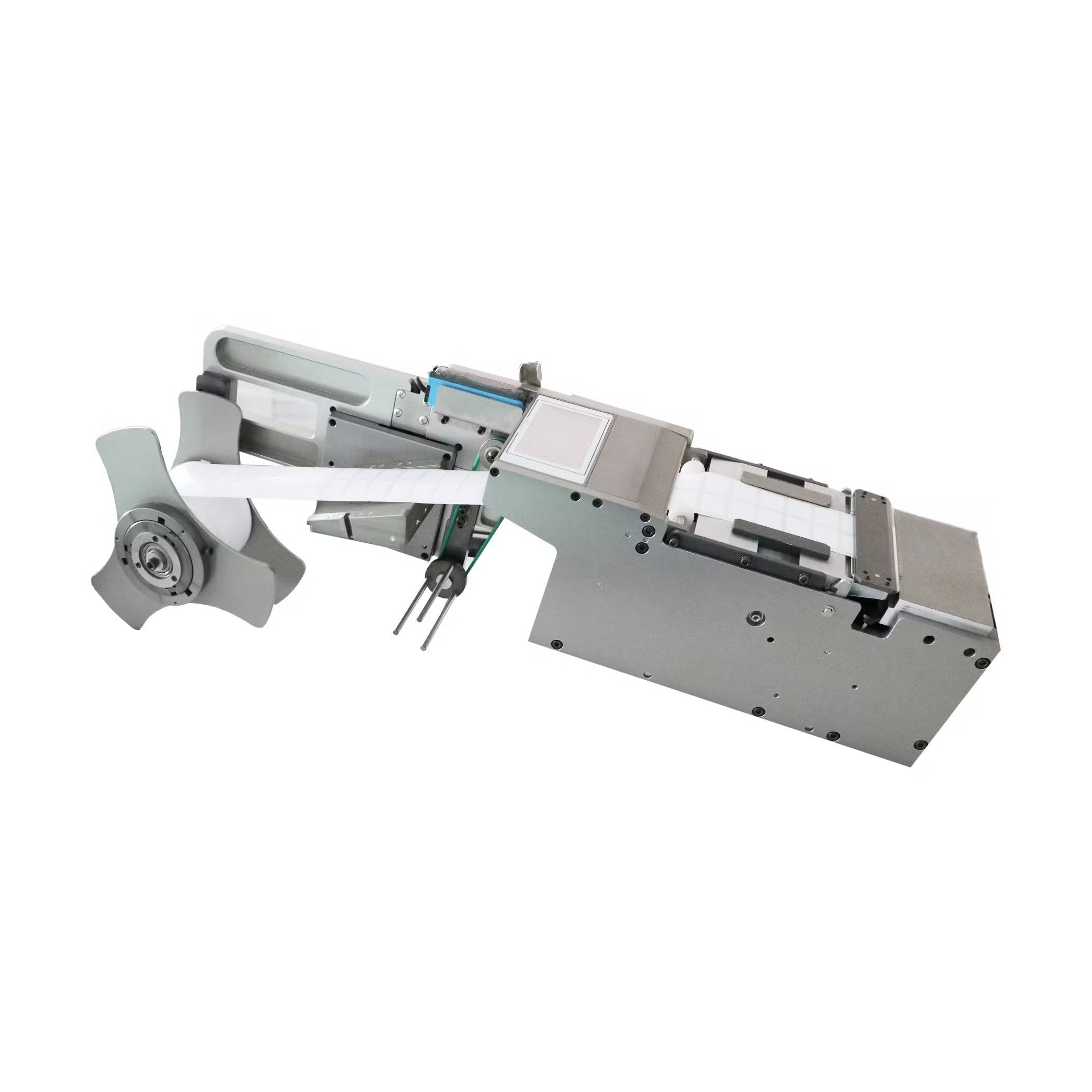
The Significance of Feeders in SMT
* Component Delivery: Feeders ensure a consistent and reliable supply of components to the placement machine.
* Placement Accuracy: Precise component presentation minimizes placement errors[4].
* Production Speed: Fast and reliable feeding mechanisms increase throughput[4].
* Component Range: Different feeder types accommodate various component sizes and shapes[4].
* Overall Efficiency: Proper feeder maintenance reduces downtime and material waste.
Types of Fuji SMT Feeders
Fuji offers a variety of feeders to suit different SMT production needs. The NXT series, in particular, supports intelligent feeders for various tape widths[4]. Here are some common types:
Tape Feeders
Tape feeders are the most widely used type, designed for components supplied on tape and reel[4]. The tape advances, presenting each component for pickup.
* Standard Tape Feeders: Accommodate common tape widths like 8mm, 12mm, 16mm, and 24mm[4].
* High-Speed Tape Feeders: Designed for faster indexing and component presentation. The NXT III, for example, features faster tape feeders to improve productivity[4].
* Intelligent Tape Feeders: Feature sensors and controls for precise tape advancement and error detection[4].
* Auto Loading Feeders: Simplifies the work for setting and supplying parts. The operator simply inserts the carrier tape tip into the feeder after processing the tape tip and pushes a button on the feeder[10].
Stick Feeders
Stick feeders are used for components packaged in tubes or sticks[4]. A mechanism pushes the components forward for pickup.
* Vibratory Stick Feeders: Use vibration to align and advance components.
* Pneumatic Stick Feeders: Employ air pressure to move components forward.
Tray Feeders
Tray feeders hold components in matrix trays, often used for larger or irregularly shaped components[4].
* Multi-Tray Feeders: Can hold multiple trays, increasing component capacity.
* Automated Tray Changers: Automatically switch between trays to minimize downtime.
Key Features of Fuji SMT Feeders
Fuji SMT Feeders are known for their advanced features, which enhance SMT line performance.
* High Precision: Accurate component positioning ensures minimal placement errors[4].
* Fast Indexing: Rapid tape or component advancement maximizes throughput[4]. The NXT III, for example, has a faster XY robot and tape feeders to increase placement ability[4].
* Jam Detection: Sensors identify and alert operators to feeder jams.
* Automatic Setup: Quick and easy feeder setup reduces changeover times.
* Data Tracking: Feeders can track component usage and provide inventory data.
* Compatibility: Designed to integrate seamlessly with Fuji placement machines[4].
How to Select the Right Fuji SMT Feeder
Choosing the right Fuji SMT Feeder depends on several factors related to your SMT production requirements.
Component Size and Packaging
* Tape Width: Select feeders that match the tape width of your components (e.g., 8mm, 12mm, 16mm)[4]. The intelligent feeders on the NXT support tape widths from 4mm to 104mm[4].
* Component Shape: Consider whether components are rectangular, cylindrical, or irregularly shaped.
* Packaging Type: Determine whether components come in tape, sticks, or trays[4].
Production Volume and Speed
* High-Speed Feeders: Opt for high-speed tape feeders if you need to maximize throughput[4].
* Multi-Tray Feeders: Use multi-tray feeders to reduce the frequency of tray changes.
* Automated Feeders: Consider automated feeders to minimize manual intervention[7].
Machine Compatibility
* Fuji Placement Machines: Ensure that the feeders are compatible with your specific Fuji placement machine model[4].
* Feeder Interfaces: Check that the feeders have the correct interface for communication and control[4].
Budget
* Cost-Effective Feeders: Balance performance requirements with budget constraints.
* Used Feeders: Consider purchasing used or refurbished feeders from reputable suppliers[2].
Maintenance and Troubleshooting
Proper maintenance is essential to keep Fuji SMT Feeders operating smoothly and reliably.
Regular Cleaning
* Dust and Debris: Clean feeders regularly to remove dust, debris, and adhesive residue[3].
* Cleaning Solutions: Use approved cleaning solutions that won't damage feeder components[3].
Lubrication
* Moving Parts: Lubricate moving parts to reduce friction and wear[3].
* Lubricant Type: Use the recommended lubricant specified by the Fuji SMT feeders manufacturer[3].
Inspection
* Worn Parts: Inspect feeders for worn or damaged parts, such as springs, gears, and sensors[3].
* Replacement: Replace worn parts promptly to prevent feeder malfunctions[3].
Calibration
* Alignment: Calibrate feeders to ensure accurate component positioning[3].
* Calibration Tools: Use the appropriate calibration tools and procedures[3].
Troubleshooting Common Issues
* Feeder Jams: Clear any jammed components or tape[3].
* Skipped Components: Check tape tension and feeder alignment[3].
* Misfeeds: Inspect feeder mechanisms for wear or damage[3].
* Sensor Errors: Clean or replace faulty sensors[3].
Leading Fuji SMT Feeders Manufacturers and Suppliers
* Fuji Corporation: As the original Fuji SMT feeders manufacturer, Fuji offers a comprehensive range of feeders and SMT solutions[2][4].
* allSMT: Supplies used and "like-new" Fuji SMT machines and feeders[2].
* Shenzhen Guangjinyuan Electronics Co., Ltd.: Supplier of Fuji NXT II feeders[5].
* Various Suppliers on Made-in-China.com: Offer a range of Fuji SMT feeders and parts[5].
The Future of Fuji SMT Feeders
The future of Fuji SMT Feeders is likely to be shaped by several trends.
* Smart Feeders: Integration of sensors, data analytics, and AI to optimize feeder performance and predict maintenance needs[11].
* Flexible Feeders: Development of feeders that can handle a wider range of component sizes and packaging types[4].
* Miniaturization: Design of smaller and more compact feeders to accommodate increasing PCB density[4].
* Wireless Communication: Use of wireless technology to enable remote monitoring and control of feeders[4].
* Sustainable Design: Focus on using eco-friendly materials and energy-efficient designs[4].
Conclusion
Fuji SMT Feeders are essential components of modern SMT assembly lines. Understanding the different types of feeders, their key features, how to select the right ones, and how to maintain them is crucial for optimizing your production process. By partnering with reputable suppliers and staying abreast of the latest technology trends, you can ensure that your SMT line operates at peak efficiency and delivers high-quality electronic products. Fuji's NXTR A model with its Smart Loader, exemplifies the direction the company is heading[7][8]. This accompanies Smart Loader frees operators from changeover and supply work, with additional features that strengthen the ability to maintain high-quality and productivity[7][8].
Frequently Asked Questions (FAQ)
Q1: What are Fuji SMT Feeders used for?
Fuji SMT Feeders are used to automatically supply electronic components to pick-and-place machines in SMT assembly lines. They ensure a consistent and reliable supply of components for accurate placement onto PCBs[4].
Q2: What types of components can Fuji SMT Feeders handle?
Fuji SMT Feeders can handle a wide variety of components, including resistors, capacitors, integrated circuits (ICs), and connectors. The type of feeder used depends on the component's size, shape, and packaging (tape, stick, or tray)[4].
Q3: How do I troubleshoot abnormal feeding issues with Fuji SMT Feeders?
Common causes include picking position deviation, suction nozzle collisions, feeder abnormalities, air pressure issues, special materials, insufficient vacuum, and dirty or worn suction nozzles[3]. Check and correct these issues systematically[3].
Q4: What should I consider when maintaining Fuji SMT Feeders?
Regular cleaning to remove dust and debris is essential[3]. Also important are lubrication of moving parts, inspection for worn parts, and calibration to ensure accurate component positioning[3].
Q5: What are some key features of the Fuji NXT series feeders?
The Fuji NXT series feeders support intelligent feeders for various tape widths[4]. The NXT III features a faster XY robot and tape feeders for increased placing ability, and supports very small components with high placing accuracy[4].


